

5 Natural Solutions To Keep Mice Away From Your Home For Good
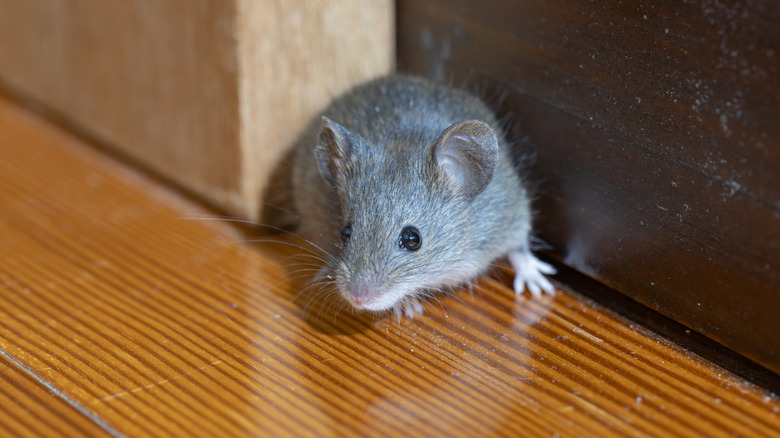
No one wants mice in their home. After all, they spread disease and cause damage to walls, electrical systems, and appliances. Although there are plenty of ways to get rid of mice when they get into your home, including various traps and poisons, many of those can be quite as unpleasant. Not to mention, at that point the mice have already had the opportunity to cause harm before you're able to eradicate them. The better option is to prevent mice from entering your home at all. There are actually a number of natural ways to do this, ranging from growing mint to sprinkling pepper, that are both safe and effective.
Essentially, each of these natural methods works on the same premise. They create a barrier of sorts past which mice are unwilling to cross. However, the reason behind why they work and the effective duration of varies somewhat between each of these solutions. However, even when utilizing natural solutions, it is still good idea to take practical measures such as sealing cracks in your home to keep mice out and making your home less appealing to mice by keeping your lawn trimmed and tidy. Additionally, keep in mind, many of these solutions will need to be reapplied or re-administered from time to time in order to maintain their effectiveness.
Mint makes mice hesitant to enter
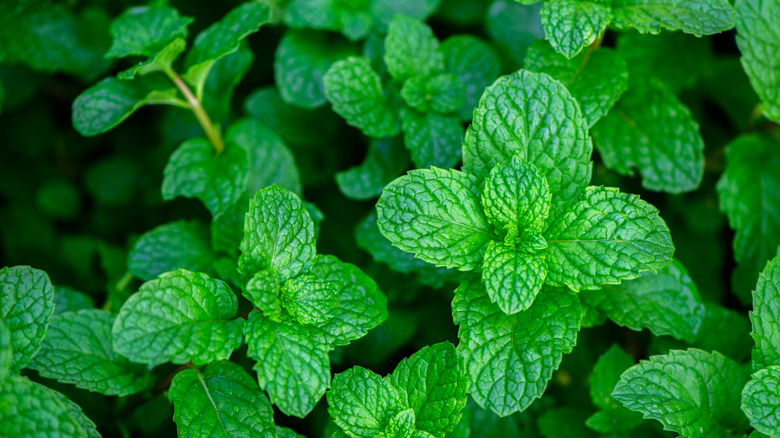
Mint, particularly peppermint, is renowned for its strong scent. This smell, while pleasing to humans, can be too much for mice to handle. The menthol contained within peppermint can also irritate their nasal passages. Additionally, the scent of peppermint is so powerful that it can mask the smell of other foods which may serve to attract mice. As a result, peppermint and peppermint oil can be very effective in keeping mice out of your house.
There are a few ways in which mint can be employed as a mouse deterrent. One is to soak cotton balls in peppermint oil and put them near potential entryways utilized by mice. Another is to make a peppermint oil spray consisting of a couple teaspoons of peppermint oil, a cup of water, and a few drops of dish soap. This can then be sprayed around entryways, in cabinets and pantries, and in areas where you've seen signs of mice activity in the past. When using either of these methods, you will need to freshen the cotton balls or reapply the spray as the scent begins to lessen.
Growing mint is another way to utilize mint as a mouse deterrent, as planting peppermint, spearmint, or other mint plants around your house will serve as an outer barrier. Mint plants can also be grown in containers and placed near entryways both inside and outside your home. Yet one other option is to clip leaves from these mint plants, put them in sachets, and place them in drawers, cabinets, and closets.
Mice shy away from peppery spice
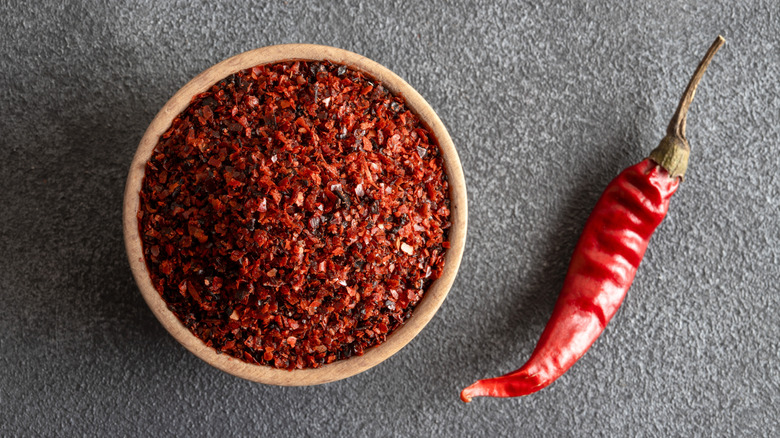
Like peppermint, pepper works by attacking a mouse's sensitive sense of smell. In the case of peppers, it is an organic compound known as capsaicin which is the key. This is the substance found within peppers that make them hot — the higher the capsaicin level, the hotter the pepper. Beyond spicing up peppers, capsaicin can be extremely irritating to tissue it contacts, especially the eyes and respiratory system. That goes for both humans and mice. As a result, mice tend to avoid areas where there is pepper. In fact, it is so effective that scientists have begun using it to prevent mice from eating newly planted seeds in some fields.
When it comes to using peppers to deter mice, various types will work. However, given the hotter varieties have the highest capsaicin levels, they tend to be the most effective. One method you can use to deter mice using pepper is to sprinkle ground cayenne or other spicy pepper along baseboards and in cabinets. Pepper flakes can also be put in sachets and placed in these areas. Another method is to make a liquid solution using ground pepper or pepper flakes, water, and a bit of dish soap. This liquid can then be sprayed near entryways, under appliances, and along baseboards. You can also soak cotton balls in this liquid concoction and place then throughout the house. Whichever method is used, pepper or pepper spray needs to be reapplied often.
It is worth noting that you should use caution if using pepper as a mouse deterrent in households with children or pets. That is because capsaicin can be very irritating to the eyes and noses of curious kids or pets that get too close.
Garlic works as well to keep mice away
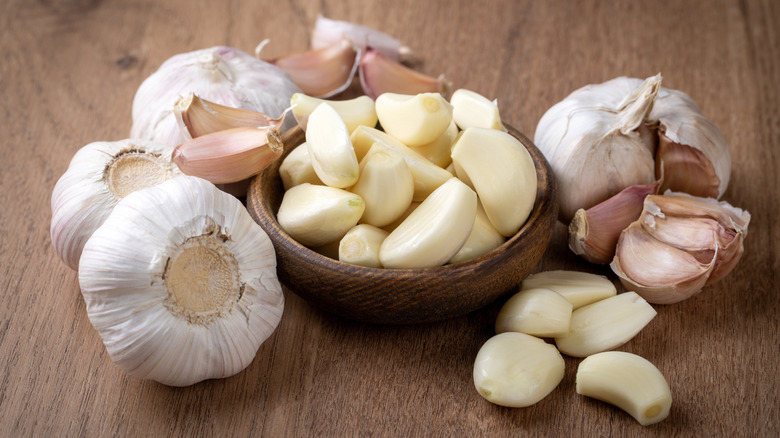
Medieval folklore touted garlic as a means to ward off vampires. It actually has the same effect on mice – and for much the same reason. Garlic contains a natural sulfuric compound called allicin. This substance, which incidentally is a beneficial antibiotic for non-vampiric humans, was thought to kill vampires. While it is not lethal to mice, it is extremely irritating and causes them to avoid garlic-scented areas. Additionally, it can interfere with a mouse's ability to detect the pheromone trails they use to navigate.
The methods employed to utilize garlic as a mouse deterrent are much the same as those used with mint. One simple way to keep mice away is to cultivate garlic plants in beds or containers along the perimeter and near the entryways of your home. You can also scatter freshly crushed garlic throughout your garden beds. Fresh garlic cloves can also be put in sachets and placed near entryways, behind appliances and furniture, and in cabinets and pantries.
One final way to use garlic to deter mice is to make a liquid which can be sprayed or set out in saturated cotton balls. This is done by mixing either freshly crushed garlic cloves or garlic essential oil with water. This mixture can then be sprayed along baseboards, in cabinets, and near entryways. It can also be used to soak cotton balls, which can be placed in those areas. However, this liquid will need to be reapplied often.
The smell of ammonia makes mice wary
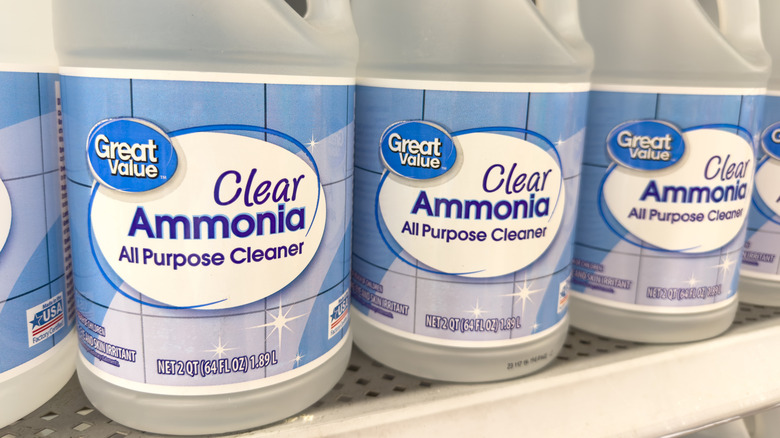
Ammonia is another natural chemical that mice find repulsive and, possibly, alarming. Unlike the other natural substances on this list, ammonia does not come from plants. It actually can be produced through organic manner in a few different ways. However, the one which is applicable here is the production of ammonia within humans and other animals. This ammonia is secreted in urine. Hence, when mice smell ammonia, they often mistakenly believe it to be the scent left by a predator, thus they avoid the area. Additionally, the smell of ammonia can be incredibly irritating to olfactory senses not only of humans, but of other animals as well, including mice.
The best methods for using ammonia as to repel mice is to either put cotton balls soaked with ammonia or small containers, such as bottle caps or lids, filled with ammonia in cabinets or behind appliances in the living area of your home. You can also put them in the attic, crawl spaces, basement, or garage. However, these areas will need to be easily accessed by you, as these containers will need to be refilled every few days. But, they will also need to be safely out of reach of young children and pets.
Cinnamon and cloves can keep mice at bay

Cinnamon and cloves produce yet another scent mice find offensive. The key component found in each of these spices which makes them so effective at repelling mice is eugenol. This is the natural compound which is the responsible for the spicey smell of these popular spices – and the reason mice find them so repulsive. The scent emitted by cinnamon and cloves thanks to eugenol irritates the nasal passages and mucous membranes in mice. Additionally, cinnamon contains cinnamaldehyde, which greatly contributes to its pungent aroma and rodent repelling abilities.
Both cinnamon and cloves can be used in the same ways to repel mice. They can also be used in combination with each other, as well as other scents, such as peppermint. One, you can sprinkle cinnamon around your kitchen or other areas, such as along baseboards. You can also use sachets filled with either cloves or cinnamon sticks — or both. The can be placed throughout the house in areas mice are likely to enter or travel.
Cinnamon or clove oil can be used to saturate cotton balls, which can also be placed throughout the house. Additionally, you can create a spray using one or both of these oils mixed with water and a couple drops of dish soap. This can be sprayed near entryways, along baseboards, in cabinets, and under appliances.