

The Tall Flower That'll Add Height To Your Garden & Attract Pollinators
Growing a garden is about more than just getting a bounty of vegetables on your table. It is also about creating dynamic and beautiful spaces filled with color, texture, and layers. In order to wow your neighbors with your gorgeous flower beds, you are going to need plants of varying heights to create visual appeal. And there is one tall perennial flower that you can grow that won't just give your garden additional height, but attract a whole host of beneficial pollinators as well.
Bluestar (Amsonia spp.) is a species of native wildflower that comes in numerous different cultivars. It can be grown across USDA zones 3 through 9. Blooming in late spring, bluestar flowers are, as they sound, shaped like small blue stars. Five petals emerge from a central eye and grow in clumps atop straight stems loaded with green foliage. The flowers stick around for a few weeks before falling, and you're just left with the green foliage.
In terms of height, bluestar flower bushes can grow between 2 to 4 feet tall. This makes them perfect as garden borders, additions to rock gardens, open meadows, or as fillers between lower growing plants and taller trees and shrubs. Bluestar's preference for rich, well-drained soil also makes it an excellent candidate for the rainscaping backyard upgrade everyone loves.
What pollinators will bluestar attract?
Wondering what bluestar flowers to plant? First, determine what variety of bluestar will work for your area. As we've already seen, these flowers are quite hardy and can grow across a wide range of climates. Some well-known varieties include eastern bluestar (Amsonia tabernaemontana; zones 4 through 9), shining bluestar (Amsonia illustris; zones 5 through 9), and common bluestar (Amsonia hubrichtii; zones 5 through 8), which is prized for its stunning orange foliage in autumn.
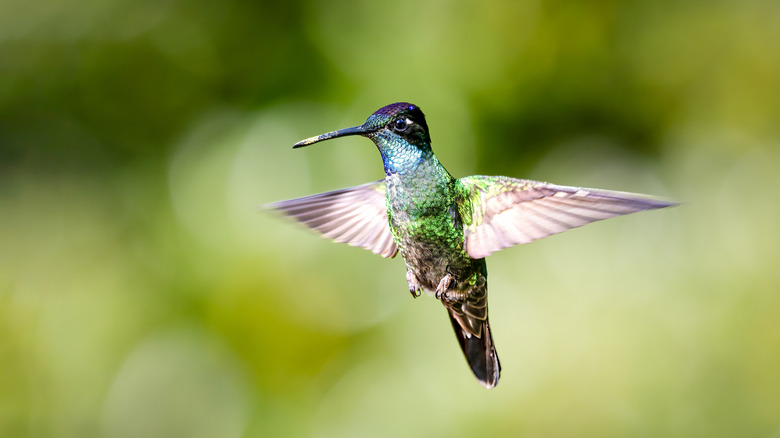
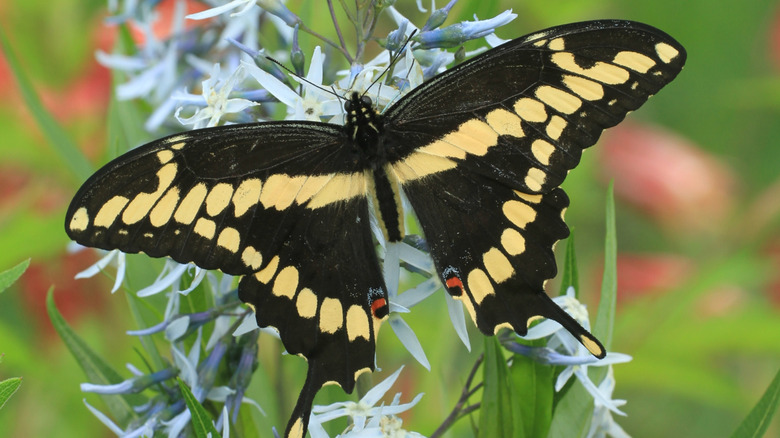
In the spring, once the actual flowers have bloomed, expect to see a wide range of pollinators arriving at your garden. Bluestar is one of the best plants that help pollinators do their job, attracting carpenter bees, hummingbird moths, hummingbirds themselves, and butterflies. These pollinators are drawn to the nectar from the flowers and, for butterfly larvae especially, the foliage makes for excellent shelter and food.
Plant your bluestar in a spot that gets a mix of sun and shade. Once you've done that, you can pretty much leave them alone. Bluestar flowers are quite drought-tolerant and don't require much maintenance once they're planted. So, really, all you have to do is plant them and relax.