

Plant These 12 Flowers Before February Ends For A Stunning Spring Garden
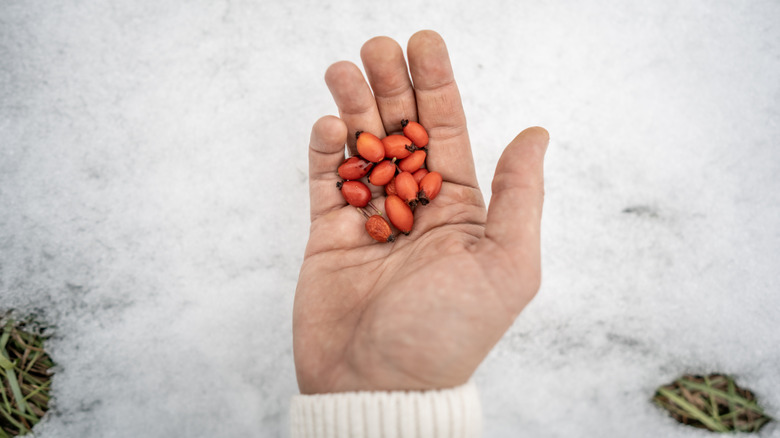
Though the calendar tells us it's winter, February is still an amazing time of year to get yourself ready for spring. There are many plants that need to be pruned before the warmer temperatures wake them up, and plenty of vegetables to seed start indoors before the spring planting season arrives. Oh, and let's not forget about flowers. Flowers play an integral part in any garden, bringing color, scent, pollinators, and general beauty. And there are plenty that you can get going before February ends to ensure a good start to a stunning spring garden.
Temperatures during the month of February vary depending on where you live. Across the board, however, the lower temperatures offer relatively gentle conditions for flowers to get started. Bare root cuttings have time to establish themselves before the heat of summer kicks in. Bulb-based annuals need a period of cold stratification before they germinate. Others are just the types of cold hardy plants that can withstand winter temperatures. All have a place and a part to play in the spring garden.
The following 12 plants are ones that can be planted across a wide variety of USDA climate zones. Some are quite cold tolerant, while others either need to be started outside in warmer temps, or indoors in seed trays. Either way, you're going to want to get these flowers started before the end of the month if you want a beautiful spring garden.
Roses
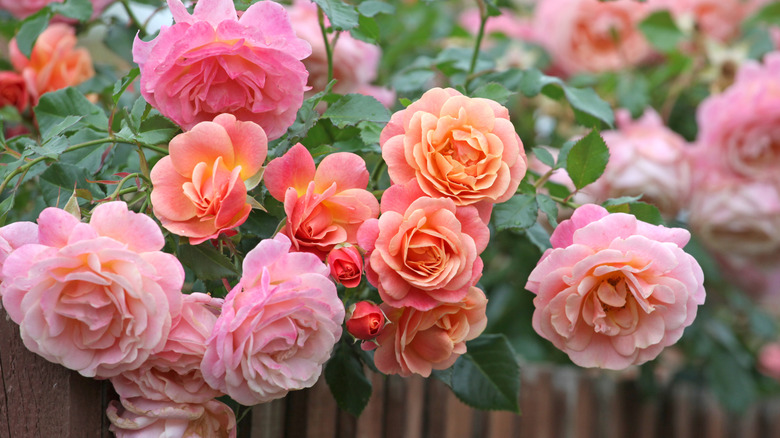
When it comes to planting roses (Rosa spp.) temperatures can neither be too warm or too cool. However, you will want to err on the side of cool because bare root roses planted while dormant have more time to establish their roots and gives them plenty of time to adjust to warmer temperatures. February planting outdoors is only possible in zone 6 or higher, as the soil is usually pliable enough and temps moderate. Those in lower zones can plant their bare root roses in pots, provided they intend to keep them there. Once they begin to grow, roses should not be transplanted.
Geranium
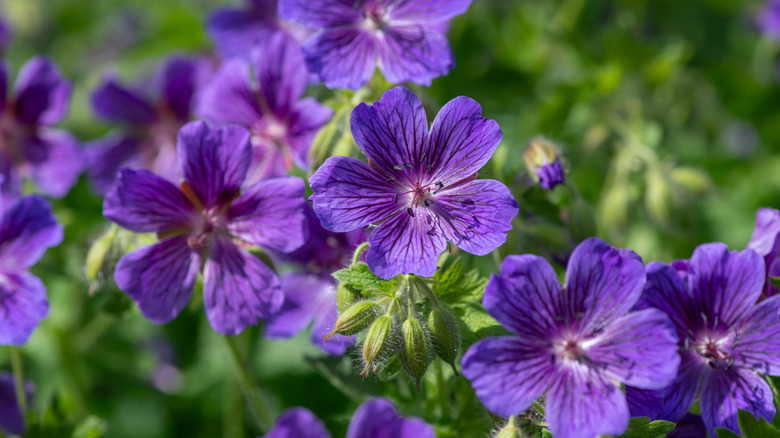
February is an excellent month to plant your geraniums (Pelargonium spp.) or wake up established ones from overwintering. If you are planning on the former, you will need to get the plants started indoors. Geranium seeds need to be kept in moist soil at warmer temperatures above 72 degrees Fahrenheit. You can maintain temperatures like this by placing them in windows that get direct sun or keep them under grow lights for 12 to 14 hours every day. Begin the seeds several weeks before your last predicted frost date. This will guarantee spring blooms and a healthy flower crop.
Lilies
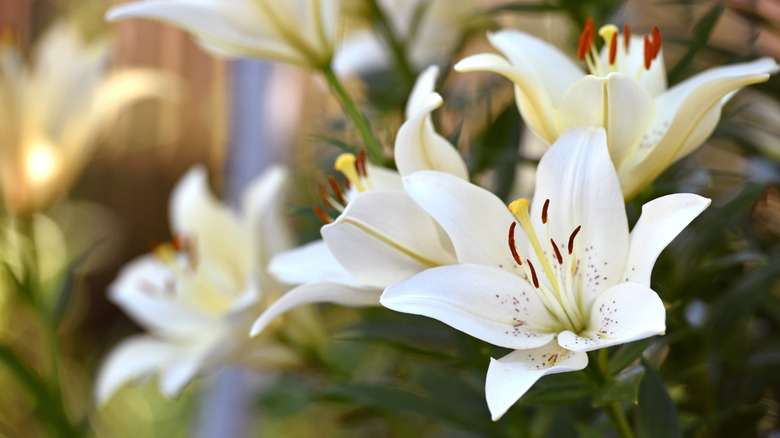
There are over 100 different species of lily (Lilium spp.) found across Europe, Asia, and North America. Some that are native to our continent include Michigan lily (Lilium michiganense) and Turk's Cap (Lilium superbum). These wonderfully colorful flowers grow from bulbs that can be planted in loose, well draining soil anytime between October and April. If you live in a milder climate zone, you can plant lilies directly in the ground during February. If you live in colder regions, or have soil that is too wet, it is better to begin these beautiful flowers in pots before transferring them outdoors.
Japanese anemone
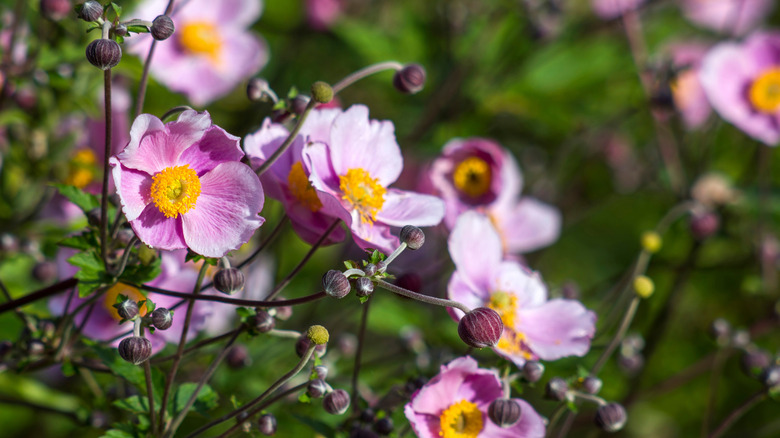
Japanese anemones (Anemone hupehensis) are a common and vigorous perennial plant that offer consistent, colorful blooms from mid June well into September. They can be purchased and planted as dormant, bare root plants in late winter. Provided you live in an area where February temperatures are warm enough to be above freezing and attain loose soil, you can plant your Japanese anemone directly into the ground. The area should have good draining soil and plenty of shade. You can also grow these flowers in large pots with good drainage if your February climate does not allow for outdoor planting.
Agapanthus
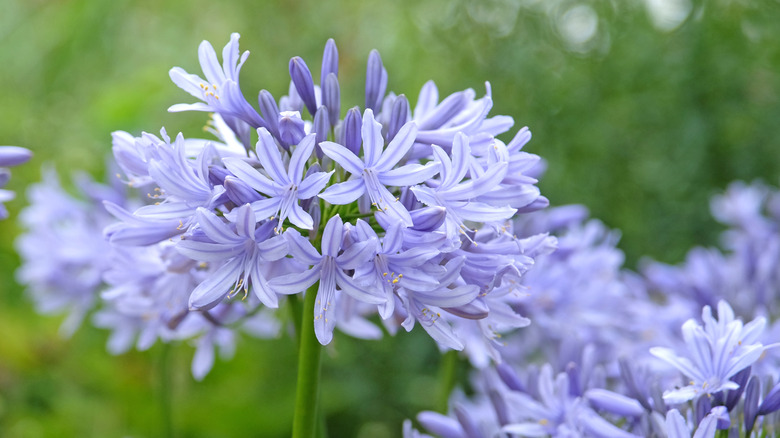
Prized for its stunning pale blue blooms, agapanthus (Agapanthus africanus) are an excellent option for growing in containers in February, especially if you live in any USDA climate zone below 9. Only in the warmest zones can you directly sow agapanthus into the ground, as it favors warmer temps over cold. Container planting allows those in colder climates to protect their young agapanthus from winter conditions. Once the frosts are over, you can bring your agapanthus outside into bright, sunny conditions where it will thrive.
Delphinium
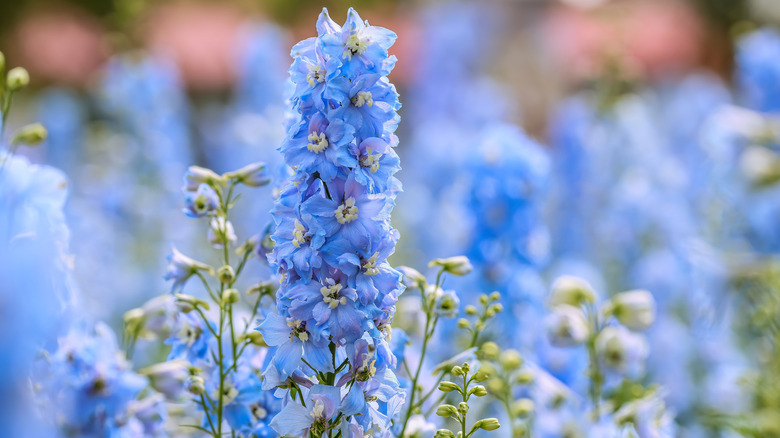
Though they prefer being planted in the fall, delphinium flowers (Delphinium elatum) can be sown in later winter with similarly excellent results. The seeds require a period of cold treatment, which means that they can be sown outdoors even when frosts are expected on the forecast. Delphinium are hardy between zones 3 to 7, though you will need to be careful of planting them in soil that is too wet. Add amendments like sandy grit to improve drainage. Expect vibrant blue, purple, and pink blooms in June, though you might see some popping up later in July owing to delphiniums inconsistent germination rate.
Columbine
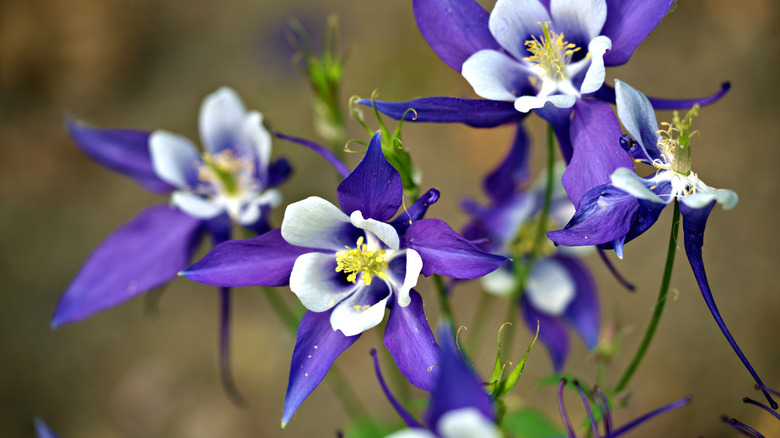
Columbine flowers (Aquilegia spp.) are among the hardiest members of the buttercup family. Similar to their delphinium cousins, columbine flowers require a period of cold stratification before they germinate. This is why planting them as seeds in February is perfect, because the columbine flower is naturally accustomed to colder climates down to zone 3. Once they germinate and grow, they require partial to full sun depending on whether you live in a colder or warmer climate. Rocky mountain blue columbine (Aquilegia coerulea) are among the most popular varieties thanks to their deep blue blossoms.
Yarrow
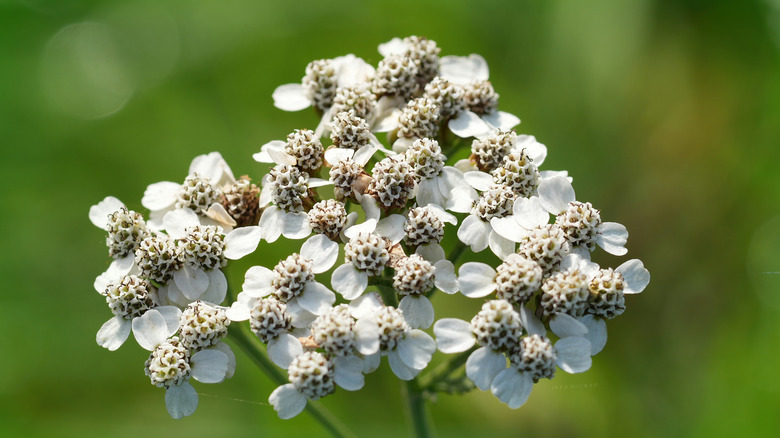
Though there are many annuals, as we've seen, that can withstand being planted in February, there is something to be said for the hardiness and general toughness of native perennial flowers. Yarrow (Achillea millefolium) is the perfect example. Though you will need to start the seeds indoors if you live on the colder side of its zone 3 to 9 range, you can start yarrow seeds in February if the soil is loose enough. Once they've grown, yarrow needs very little attention. Just give them a good amount of sun and occasionally watering after dry spells and they will be happy.
Pansy
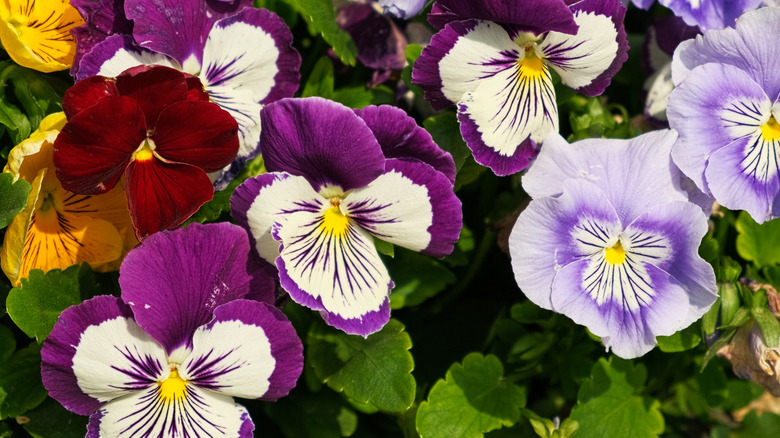
Pansies (Viola x wittrockiana) are beautiful in bloom but can be rather touchy when it comes to winter planting. They do exceptionally well when planted outdoors in February, but only in the warmest end of their zone 6 to 11 climate radius. The temperatures are mild enough for the pansies to do well, though if you live in those warmer zones don't expect them to stick around for the heat of summer. Lower climate areas can begin pansies indoors and transplant into earth once the threat of frost has passed.
Poppy
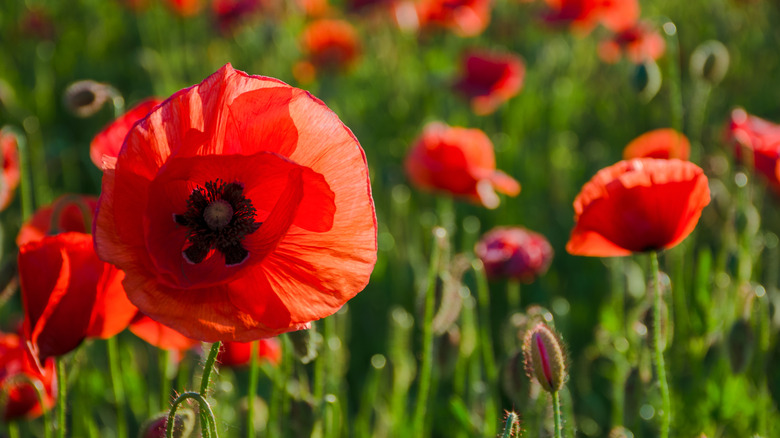
If you missed the fall season for directly sowing poppy flowers (Papaver rhoeas) don't worry! You can still get your poppies started in February, albeit a little differently than you would in the fall. You can sprinkle the small seeds directly onto the snow or soil and allow them to rest for a period of cold treatment before germination. Soil temps need to be a minimum of 55 degrees Fahrenheit for poppies to germinate. You can also sow the seeds in pots and leave them outdoors for their cold treatment. Poppies are able to be grown in USDA zones 4 to 9.
Gladiolus
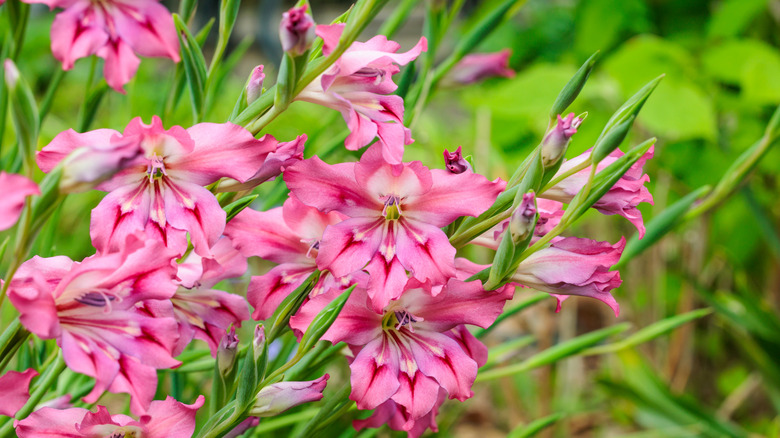
Also known as sword lilies, gladiolus flowers (Gladiolus spp.) are notable for their tall green stalks from which emerge beautiful bell-shaped flowers in a wide variety of different colors. They make for wonderful additions to any spring garden, but you need to get them started at the right time. These are mild to warm climate flowers, only able to grow in zones 7 to 10. As such, they can only be planted in the ground in February if the gardener lives in said zones. Anyone in colder zones will need to begin and keep the plant in a pot indoors until warmer temperatures arrive.
Salvia
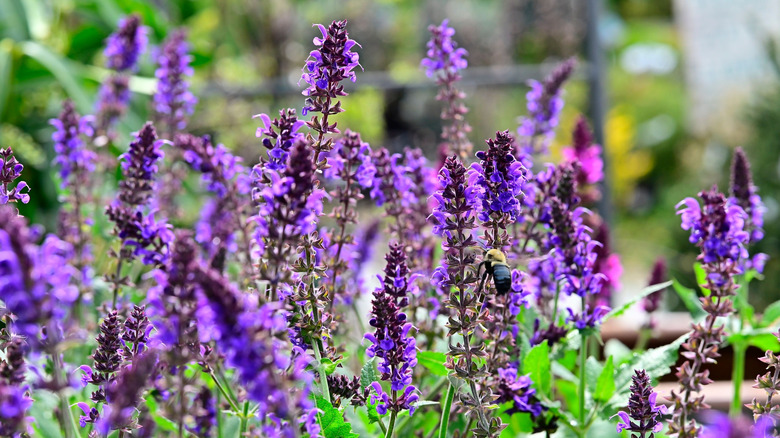
Salvia (Salvia spp.) is a large plant genus of over 900 different species. Often referred to as ornamental sage, salvia is notable for its lanky vertical stems that produce flowers of red, white, blue, or purple. The leaves are said to be a repellent for pests, and the plant is exceptionally drought tolerant. Able to grow in zones 5-10, salvia can be sown indoors in pots or directly into the ground outside underneath some healthy compost. If you plant in pots, wait for the last winter frosts to pass before transplanting into the ground.