

The Stunning Purple-Blue Flower That Will Naturally Improve Your Garden's Soil
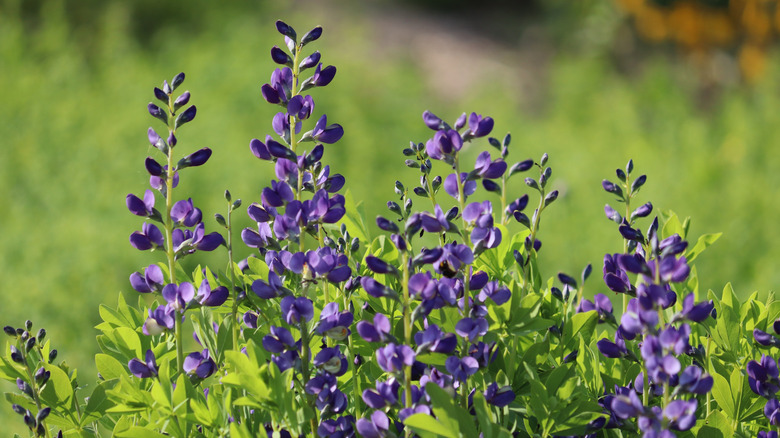
Gardeners are constantly looking for ways to improve their soil. Healthy garden soil gives plants access to great nutrients, proper aeration, and the right amount of moisture retention for optimal growth. Among the many methods of soil improvement available to growers, one of the easiest, and arguably most beautiful, ways is to sow flowering plants that double as soil improvers. One of the very best plants for this is blue indigo (Baptisia australis).
A hardy perennial plant that can grow in USDA zones 3 to 10, blue indigo has bright green, trifoliate leaves and small, vibrantly purple-blue blooms that fabric dyers have been using for generations. A member of the legume family, blue indigo typically grows between 3 and 5 feet tall and blooms in mid-spring or early summer. More important, however, is blue indigo's status as a nitrogen-fixing plant.
Like other members of the legume family, blue indigo contains a special bacteria in its roots called inoculum that transforms atmospheric nitrogen into the kind plants can actually use. Nitrogen does a lot for plants and is one of the most essential and important elements in soil. Having plants that can increase it, especially in soil that is deficient, will aid in the development and health of the surrounding plants. Good nitrogen levels can create higher crop yields and greatly reduce the need for chemical fertilizers, which can actually have negative effects on soil health.
Other ways blue indigo improves garden health
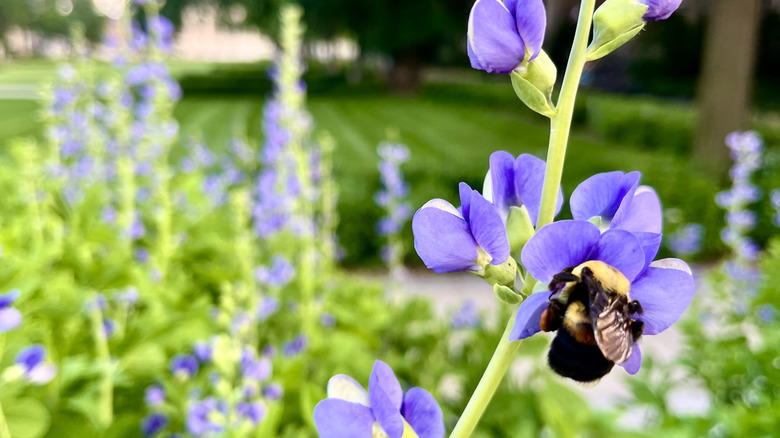
Though nitrogen fixing is its primary function, there are plenty of other ways blue indigo can help improve your garden's soil. If you have soil that is really heavy in clay or gravel, or that is just generally poor, blue indigo is one of the best plants to grow. It has a naturally tough root system, and, once it is planted, the nitrogen-fixing properties will work to attract more beneficial bacteria that will aid in soil improvement over time.
Another benefit from the strong root system of blue indigo is that it helps prevent soil erosion. This is particularly important if you are gardening on a hillside. The root system grows through rhizomes and spreads very easily, which helps stabilize soil in the long term. Plus, blue indigo will attract beneficial pollinators like bumblebees and butterflies.
Despite its status as a wild perennial, blue indigo can be purchased as seed from many companies. In order to ensure germination, scarify the seeds by pouring 150 degree Fahrenheit water over them, then let them soak overnight a day before planting. Sow them in holes about ½ inch deep and cover with soil. As a drought-tolerant plant, blue indigo can go for long periods without watering, though occasionally hydrating young plants is recommended for optimal growth.