

Freezing Temps Are Coming: This Simple Task Can Help Prevent Costly Pipe Damage
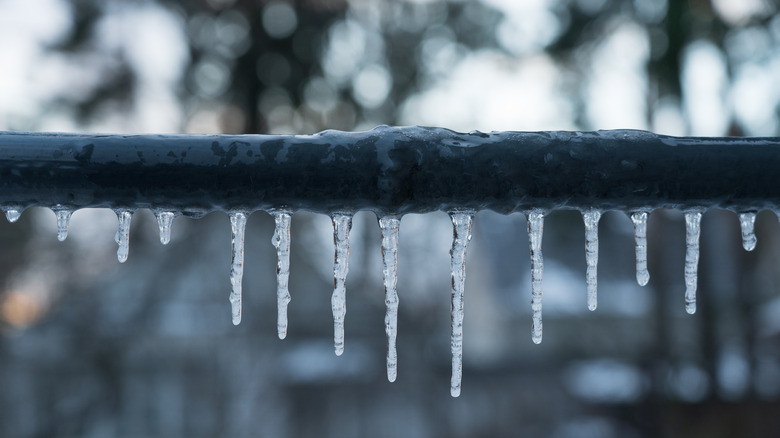
Since I moved to New Hampshire five years ago, I've experienced subzero temperatures that wreaked havoc on my plumbing. Last winter, I had to re-plumb my entire water system because temperatures dipped well below zero. As a result of this, I am extremely cognizant of all the ways to keep the pipes at my home from getting damaged in the winter. And I've found one of the simplest tips is to open cabinets to expose the pipes to the warm air of my house.
It may look unsightly, but leaving your bathroom and kitchen cabinets open during freezing weather allows warm air to circulate around the pipes, preventing them from freezing. When you do this, be sure to temporarily re-home any cleaners or chemicals you have stored under your sinks so that your kids or your pets (if you have any) are not tempted to play with them. Keep the cabinets open for however long you are expecting the freezing temperatures to last.
You really want to be doing everything you can to keep your pipes from getting damaged in cold weather. Pipes are most likely to freeze when temps hit 20 degrees Fahrenheit or lower. The freezing temperatures can cause extreme pressure on the pipes, causing breakages as the temperatures warm back up. Even a small crack can release 250 gallons of water in a single day, which can lead to severe water damage and mold. Repairs can cost $1,000 or more depending on the extent of the damage. So, even if it might seem silly, opening your cabinets could actually save you a lot of money in repairs.
Other ways to keep your pipes from freezing in winter
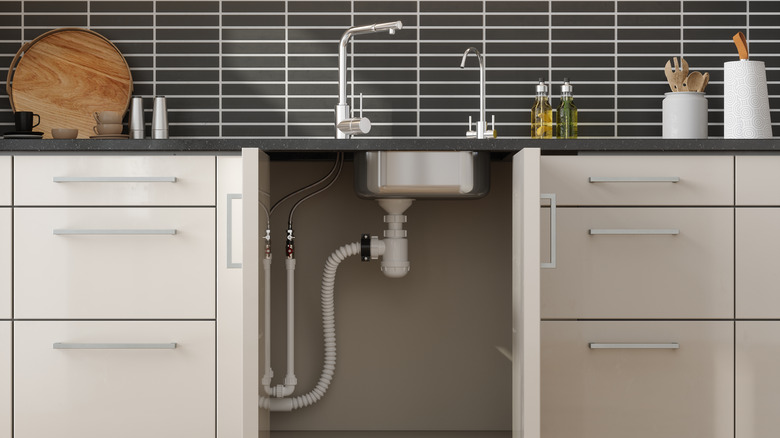
While opening cabinets under sinks may be one of the simplest ways to keep your pipes from freezing, there are more ways to protect your plumbing. As we've seen, taking care of the plumbing is one of the most important steps in preparing your home for freezing temperatures. So what are some of the other ways you can keep your pipes from freezing on exceptionally cold days?
In my experience, the pipes that are at most risk are those in unheated spaces, such as basements, crawl spaces, or attics, and those that run against exterior walls. When I see extreme cold forecasted for my area, I actually go to my home's main shut-off valve and turn the water off for the night. I also open up all the drains to remove any excess water and allow for proper airflow through the pipes.
If you don't want to shut off your water, another option is to run all of your taps at a slow but steady drip. The constant flow of water will help keep the pipes from freezing, though this method becomes less effective the colder it gets. You could also run space heaters or keep your thermostat set a bit higher at night. This may result in a higher heating or electrical bill, but it is better than having your pipes burst and be left with a more expensive and damaging problem afterward.