

12 Old-School Cleaning Habits It's Time To Let Go Of
We may receive a commission on purchases made from links.
A healthy home is one that is kept free from dirt, allergens, and germs. While certain tasks, such as taking out garbage and cleaning the kitchen, need to be done daily, others can be tackled on a weekly or monthly basis. If yours is like many households, you try your best to fit in small pockets of time to get your cleaning done. There's not really a wrong way to schedule cleaning time. However, whether you spend several hours cleaning your home during the weekend, or you spread tasks out throughout the week, you could be wasting some of your time with outdated cleaning habits.
Tidying up your home isn't about perfection, but you still need to avoid certain cleaning practices that could make your residence unhealthy or unsafe. Many of these errors can be traced to old-school habits passed down from generation to generation. Others might be self-taught. Regardless of your situation, it's time to adapt your cleaning habits to what we now know to be safer and more effective.
Reusing the same towels for several days
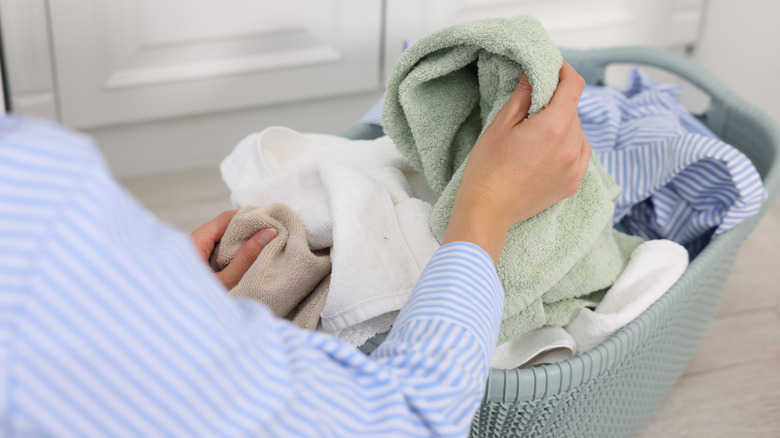
Reusing certain items around your home can save money and cut down on waste. However, frequently used towels should not be among them. Swapping out high-use towels on a daily basis is one option. However, Utah State University Extension recommends replacing dish and hand towels at least every 2 days, and bath towels after 3 to 4 uses. The exact frequency depends on how dirty, damp, or musty your household towels get — just don't leave the same sets out for several days at a time.
Skipping on disinfecting surfaces when needed
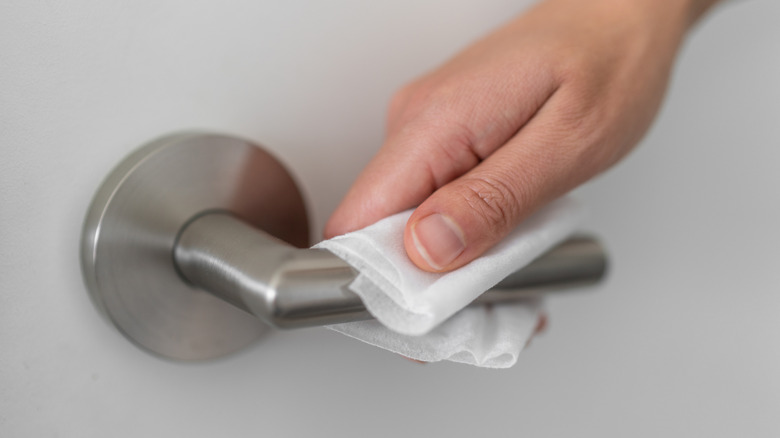
While you might regularly clean common surfaces in your home, this is not the same thing as disinfecting. Cleaning involves the removal of physical substances such as dirt, as well as some germs, with soap and water. Disinfecting, on the other hand, is a follow-up to cleaning and requires using chemicals that directly kill germs. This process is crucial to help prevent the spread of germs if anyone in your home is sick.
Using a dish sponge to wipe down counters
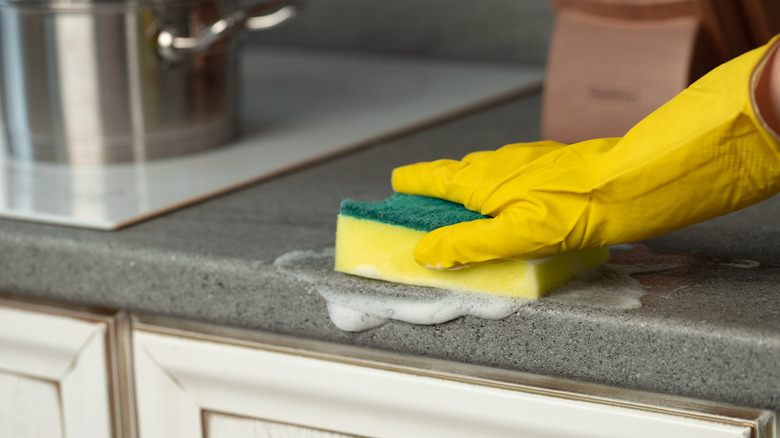
As a kid, you may have been taught to wipe down kitchen counters with the same sponge that was used to wash the dishes. This can theoretically save time, and the sponge also contains soap and water to help remove food particles. But now we know that sponges are among the germiest items in homes. Not only should you ditch this habit ASAP, but you'll also want to regularly clean your sponges and replace them to keep bacteria at bay. Use separate sponges or clean rags to wipe down counters instead of that dirty sponge.
Relying on a single product for multiple jobs
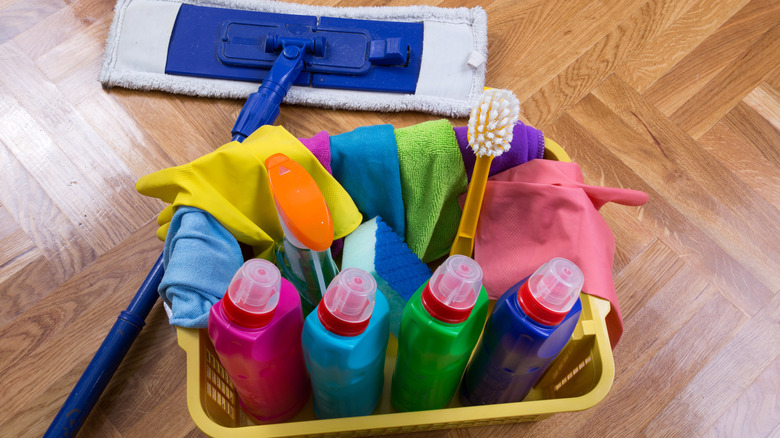
To cut down on decision fatigue when buying cleaning products, you might fall into the trap of using one product for all surfaces in your home. Whether this is a "multi-surface" commercial cleaner, or perhaps old-fashioned soap or white vinegar, the fact is that no single product is suitable for every cleaning need in your home. You will instead need different ingredients for a variety of surfaces and household items. These include detergents, disinfectants, solvents, and abrasive cleaners, at a minimum.
Vacuuming before dusting
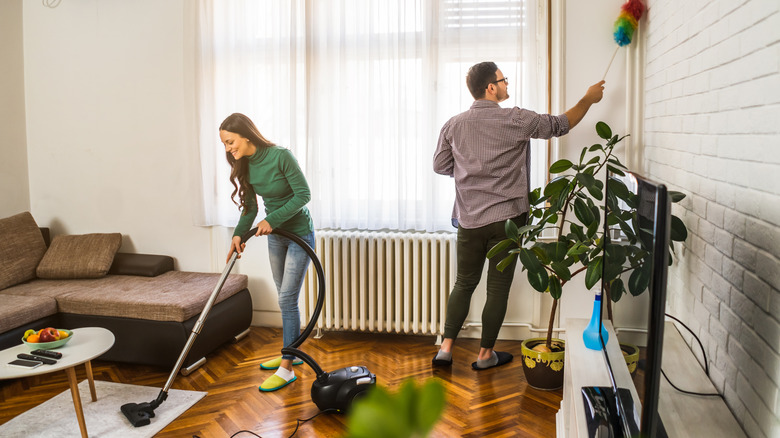
Vacuuming and dusting ought to be done at least once a week to control dust, debris, and allergens. The correct order is equally important, though. When cleaning your home, always dust from the top of each room to the bottom first, then vacuum furniture, baseboards, and flooring. Doing so helps to ensure that any dust that falls off higher surfaces will have a good chance of being picked up when you vacuum.
Relying on feather dusters
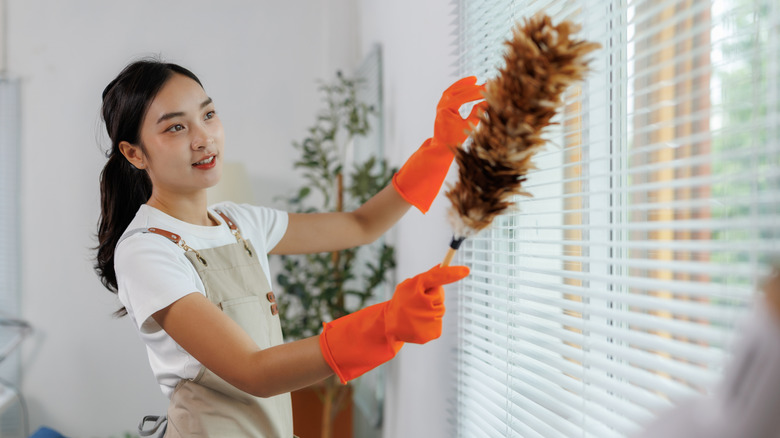
It's also worth rethinking what tools you use to dust your home, including that old feather duster you might have. Unfortunately, feather dusters really only move dust around, rather than actually eliminating it from surfaces. A better option is to dampen a microfiber cloth to help trap dust as you clean. If you're in a hurry and need a disposable method, Swiffer Dusters also capture dust.
Washing your dishes before placing them in the dishwasher
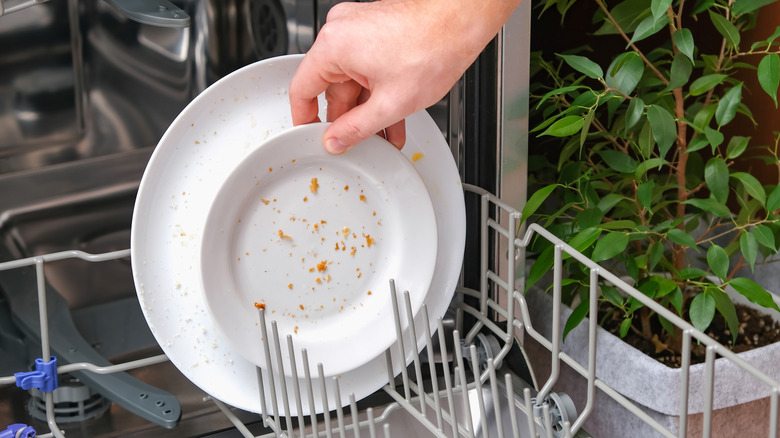
If your parents taught you to wash the dishes before putting them in the dishwasher, you're certainly not alone. This habit stems from the fear of caked-on foods left on clean dishes. While it's still a good practice to scrape away food before loading the dishwasher, it's time to break the habit of pre-rinsing them. It's simply not necessary to do so — you'll only end up wasting water. Plus, dishwasher detergent enzymes will no longer work as effectively if there's a lack of food particles for them to break down.
Running the dishwasher at full capacity only
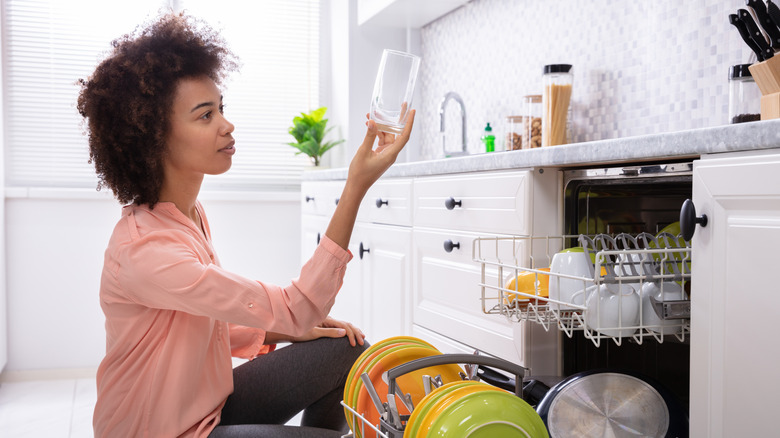
To save water, energy, and soap, you might have created a rule to only run your dishwasher when it's completely full. While a seemingly logical solution to cutting down on your environmental footprint, there are some serious risks for both your dishes and the appliance you count on to clean them. Not only can you be left with still-dirty (or even broken) dishes from a lack of space, but overloading the dishwasher can make it run harder. This cleaning habit could also lead to damaged water spray arms.
Overusing chemical cleaners
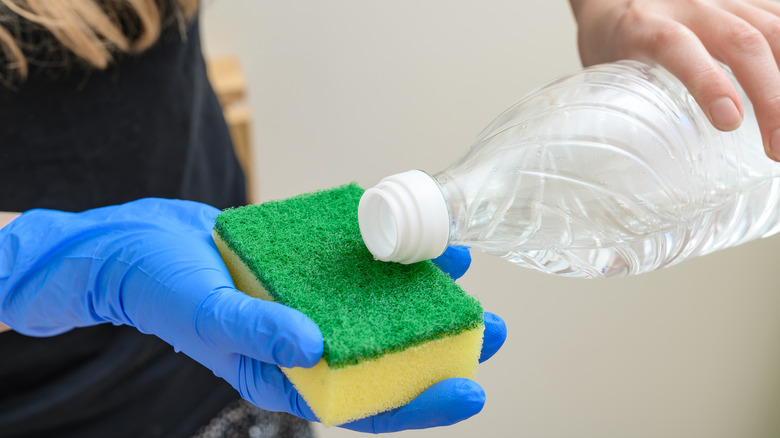
Modern chemical-based cleaners were invented in the 19th and 20th centuries, and they were embraced for being both convenient and effective. In the 21st century, though, many households are concerned with the possible dangers of commercial cleaners to both human health and the environment. One easy solution is to stop using chemical cleaners when a green alternative can work just as well. For example, while bleach might be necessary for mold problems, diluted white vinegar can work well for cleaning surfaces. Baking soda is another affordable favorite, and it's natural scrubbing qualities make it a versatile product.
Mixing white vinegar with baking soda
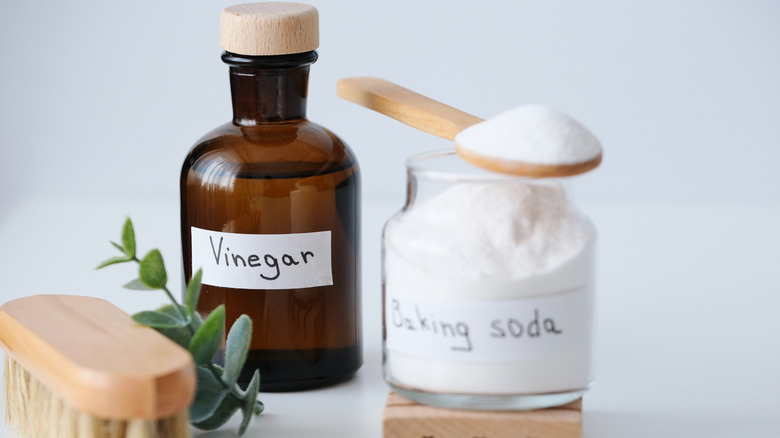
While there are many excellent green cleaning ideas that involve using white vinegar or baking soda, it's an age-old mistake to mix them together in DIY recipes. In theory, you would boost the cleaning power of white vinegar by combining it with the scrubbing action of baking soda. The problem boils down to chemistry, though. When you mix these two ingredients, they dissolve into one another and turn into salt water. While not necessarily harmful, this chemical reaction makes it useless for cleaning purposes.
Using too many paper towels
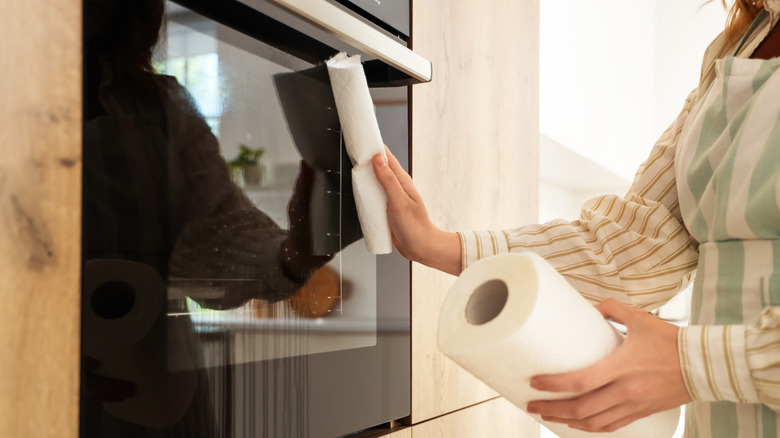
After their introduction into kitchens by Scot Towels in 1937, paper towels quickly became popular for their ease of use and hygiene. The convenience of these disposable items also made them ubiquitous tools for cleaning all over the home. However, eco-conscious consumers have started swapping disposable paper towels for rags and cloths that you can wash and reuse. If you want to cut down on your own paper towel consumption, try using microfiber cloths for dusting and cleaning wherever you can, and repurpose old clothing as rags for big messes.
Failing to provide enough ventilation
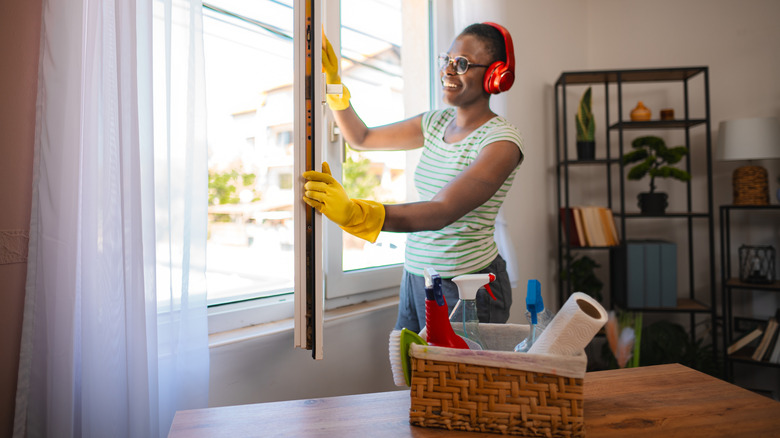
Poor indoor air quality is common in homes these days. Ironically, the process of cleaning your home can actually worsen air quality due to stirred-up dust and chemicals from commercial cleaners. This certainly doesn't mean you should forego cleaning. You can instead help to improve air quality by increasing ventilation. Open windows whenever you can while cleaning, and use bathroom exhaust fans when windows are unavailable in these spaces.