

The Alternative To Open Concept Floor Plans That Is Gaining Popularity In 2026
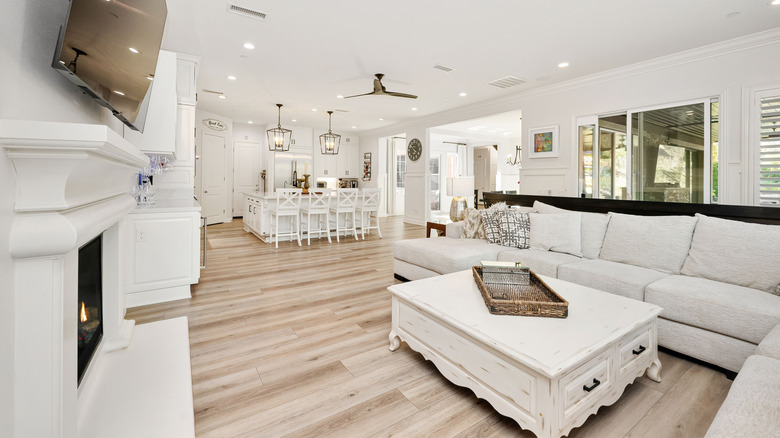
Open concept floor plans have been popular for a long time. Evolving out of the modernist architecture that took hold in the mid-20th century, open floor plans create integrated spaces that serve a multitude of different purposes. This trend became so popular that people would knock down walls between their living rooms and kitchen just to get that more open feeling. However, like all trends, open concepts are on the wane. And while we doubt they will ever disappear completely, a more closed-off alternative is gaining popularity in 2026: closed layouts.
Designer Lindsay Speace, speaking to Better Homes & Gardens, says, "After so much time at home during the pandemic and the resulting shifts to the way we now work and live, I think we're going to see the pendulum swing back towards more traditional floor plans." As such, people are now seeing the exciting possibilities that come about when you have individual rooms that can be styled in their own unique way.
This reflects an overall shift towards having rooms that suit specific purposes. For example, we've seen that many open concept living room ideas often exclude dining rooms. With this new trend, however, separate dining rooms are beginning to come back into existence. And while there is still room for openness in home design, having functional, private, and intimate spaces is only going to gain in popularity the more time people spend at home.
Visual and sensory benefits of a closed concept home
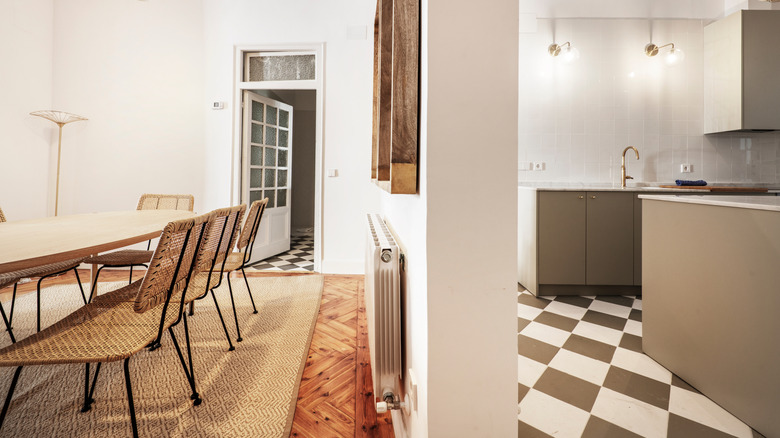
The alternative to the open concept floor plan is what is called a closed concept or traditional floor plan. This design emphasizes individual rooms throughout the home, which makes it more practical and generally more energy efficient. This particular trend, however, is less about energy efficiency and more about creating specialized spaces that have their own unique design features.
In an interview with The Spruce, designer Emily LaMarque says that separated spaces "provide more opportunities for architectural details such as moldings, woodwork, and decorative hardware that provide a timeless and classic aesthetic throughout." Since you have more freedom with your design choices, you could opt for a pink dining room to make every meal an affair to remember, have your kitchen lean minimalist, and create a completely different mood in your living room.
Then there is the need for quieting. Open concept areas can tend to feel loud or crowded, especially if you have a large family. Having walls not only reduces noise on an auditory level, but it allows you to remove clutter and reduce it on a visual level as well. While we don't expect people to be adding walls to their open concept homes anytime soon — after all, open living rooms continue to remain very trendy — we expect to see more traditional floor plans coming out of new construction designs and even an uptick in purchasing older homes with well-defined spaces.