

Plant These 10 Vegetables Before January Ends And Thank Us Later
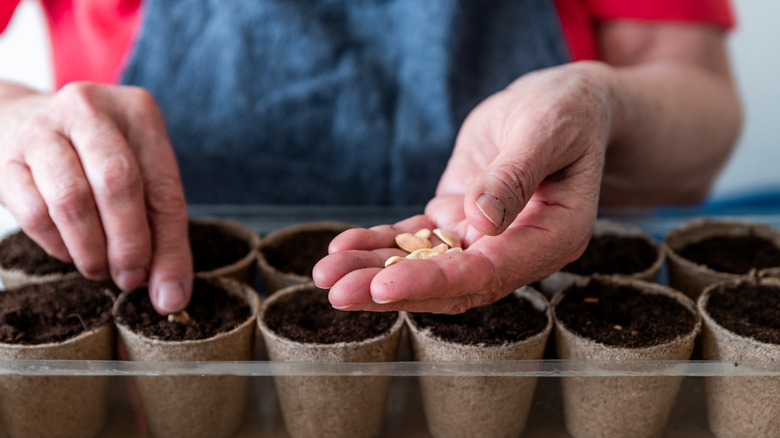
January doesn't seem like the time of year to think about gardening. It's cold, there's usually snow on the ground, and most final frost dates are still months away. However, January is actually the perfect month to kickstart your outdoor gardening chores in a major way. All the trees are dormant, making it a great time to prune. In some areas, the ground is actually ready for a wide variety of flowers. And, whether you're starting seeds indoors, or planting them directly into the earth, there are quite a few vegetables, such as cabbages, peas, peppers, and more that you can start to grow in January for a vibrant spring garden.
A lot of what you are able to grow in the first month of the year depends on what USDA climate zone you live in. If you live in colder zones, typically 6 and below, that see average temperatures below freezing, your options for outdoor planting are more limited than those living in milder climate zones, say, 7 and above.
The second aspect is the temperature of your soil. Several of the plants on this list need soil temperatures of between 45 to 65 degrees Fahrenheit in order to properly survive. If you don't have soil like that, then you will need to start these plants indoors and sow them come spring. Still, even if this is the case, you can thank us later for getting an awesome head start on your garden.
Kale
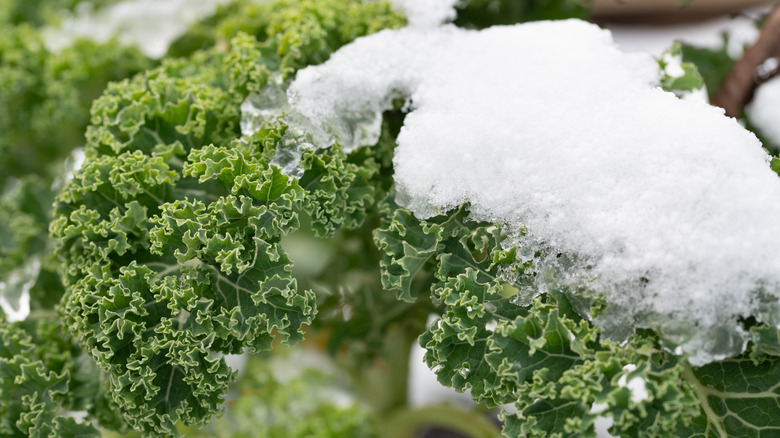
Kale (Brassica oleracea var. sabellica) is one of the most cold tolerant vegetable on this list, at least once it's established. To start, the seeds need to be kept warm in order to germinate — anything above 40 degrees Fahrenheit. So, you can directly sow them in milder climates like Zones 7-10, while colder climates will need to start them indoors or in cold frames. Once established, however, kale loves the cold. In fact, it's reported that they taste sweeter and more crisp after being exposed to a frost. What other vegetable do you know that can tolerate that?
Garlic
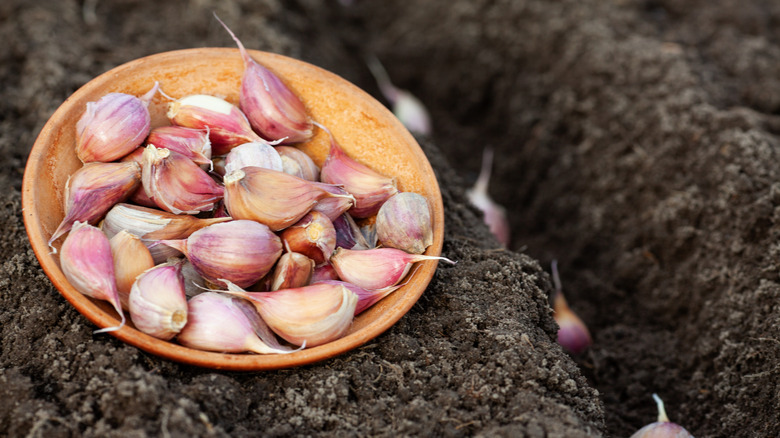
If you weren't able to plant your garlic (Allium stavium) back in the fall, you try again in January. In milder climates, Zones 9 up, where the ground is not frozen, you can plant garlic directly into the soil. However, you need to make sure it goes through a cold period first in order to get the best growth possible. As a trick, growers in colder zones can plant garlic in containers and overwinter them outside for the necessary cold stratification and keep them in the container. After 8 months or so, you will be harvesting full heads of garlic.
Cabbage
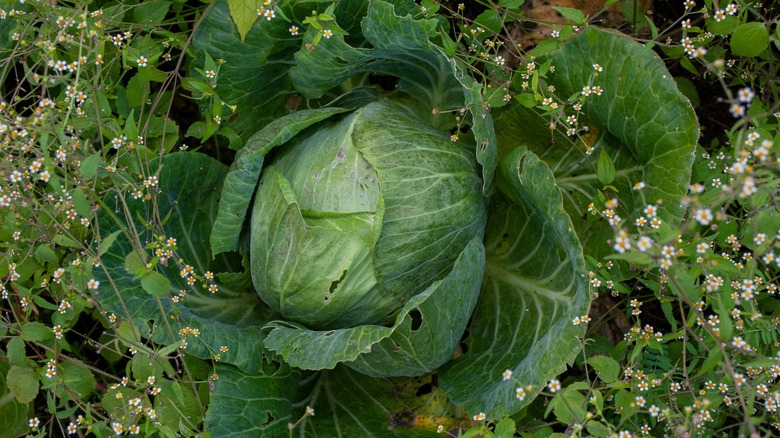
All varieties of cabbage (Brassica oleracea var. capitata) will respond well to January's colder temperatures. While the ground will be too cold for direct planting in all but the mildest of climate zones, cabbage can be seed-started in containers. The soil needs to be at least 40 degrees Fahrenheit for germination. In warmer climate zones 7-9, cabbage containers can be kept outside under a good bed of mulch. In zones 6 and below, you can sow cabbage directly into soil in a cold frame; Just make sure you water it consistently and that the frame is angled for optimal sunlight.
Peas
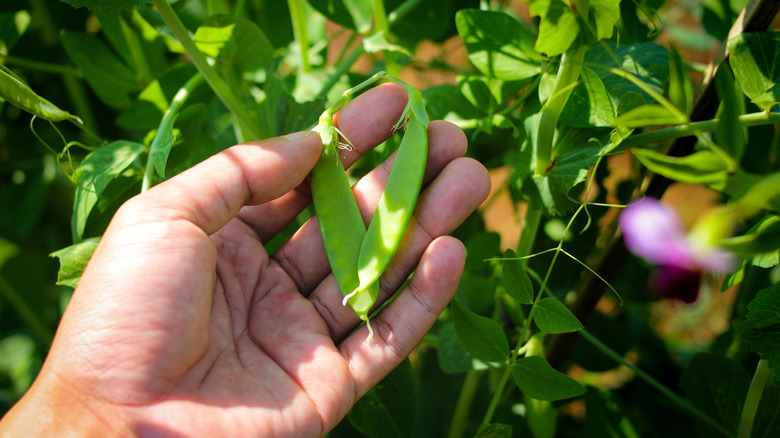
If you want to have a beautiful display of peas (Pistum stavium) growing en masse in your garden come the spring and summer, you need to get started on them in January. Again, if you live in a milder climate zone, somewhere where the soil is smooth, loose, and hovers between 45 to 50 degrees Fahrenheit, you can direct sow peas in the garden. If not, you will need to start them in containers indoors and transplant them come spring. Either way, you'll have a terrific head start.
Tomatoes
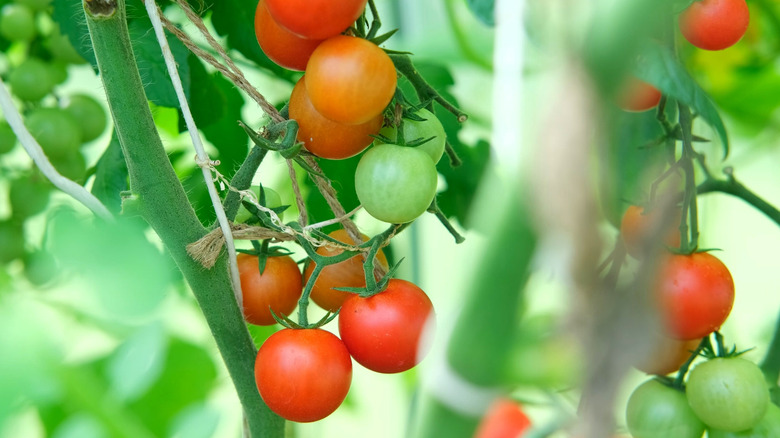
Though they absolutely thrive on the warmth and sun of summer, there is really no reason why you should not be getting your tomatoes (Solanum lycopersicum) started early in January. You can plant the seeds in containers, where they will germinate, sprout, and grow for around 5 to 10 weeks. Depending on how cold a region you live in, you might be able to transplant your tomatoes outside as early as late February, provided you keep them warm under a good bed of mulch and in an area that sees plenty of sun. Once your plant is outside, there are three herbs that will help your tomatoes thrive: parsley, basil, and chives.
Onions
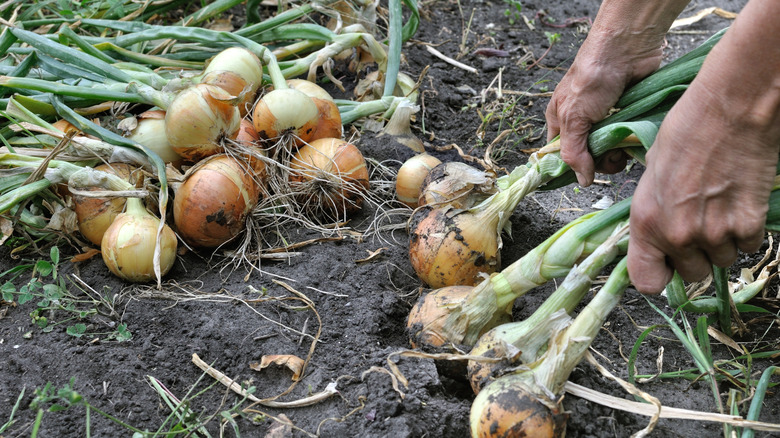
If you live in the climate zones 8-10, you can get your onions (Allium cepa) started indoors in late January. In any climates colder than this, it is recommended to start in February; however, you can sow them in January, provided you are ready to keep up with maintenance. In order to get a good strong root in your onions before spring, allow onion bulbs to grow 5 to 6" tall, then trim them to 3”. Repeat this action until your ground conditions are ready for the onions, which need a minimum soil temps above 40 degrees Fahrenheit.
Spinach
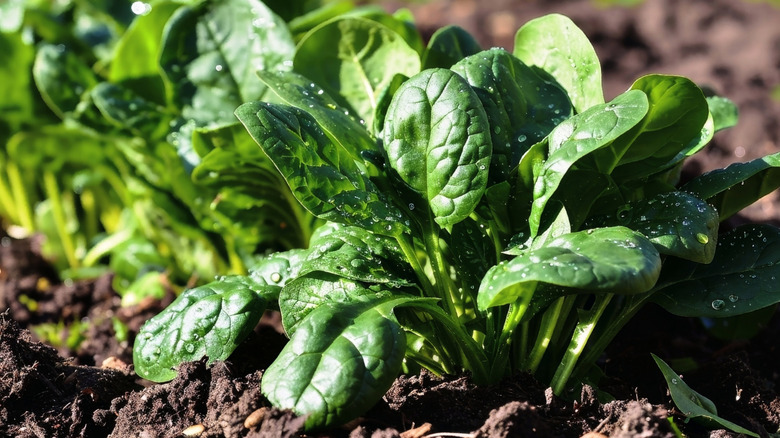
Spinach (Spinacia oleracea) is kale's chief rival in the "Best Winter Plant" competition. Spinach may have the edge as the winner, as its seeds can withstand freezing temperatures, and, once grown, cold spells make it all the more sweet when harvested. If the ground where you live is workable during January, you can direct sow spinach into the ground. Otherwise, grow it outside in containers under a good bed of protective mulch. The best soil temps for spinach are around 50 degrees Fahrenheit, but they will tolerate temps down to 40 degrees or even lower.
Broccoli
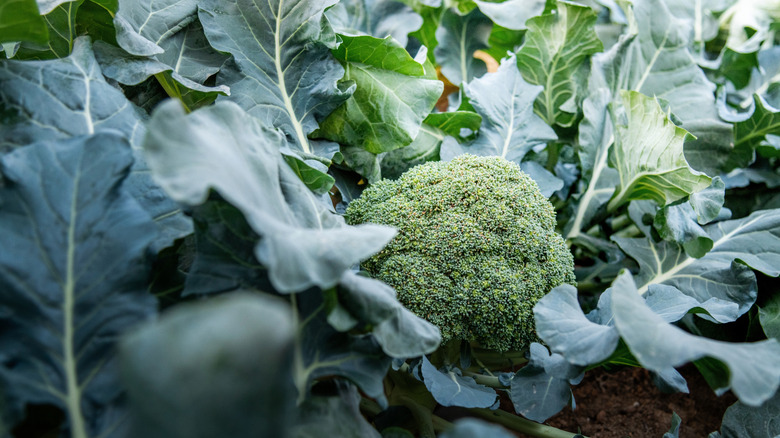
Like cabbage, broccoli (Brassica oleracea var. italica) can be directly sown outside in January in temperate climate zones, such as those found in the southern United States. Otherwise, you really need to start broccoli indoors, as it tends to be more on the cold-sensitive side. However, getting broccoli started inside in January is going to yield great results come transplant time in the spring. The roots have time to establish, so that when you plant them in the ground, so long as the soil temp isn't below 40 degrees Fahrenheit, you'll be looking at a strong crop come summer.
Peppers
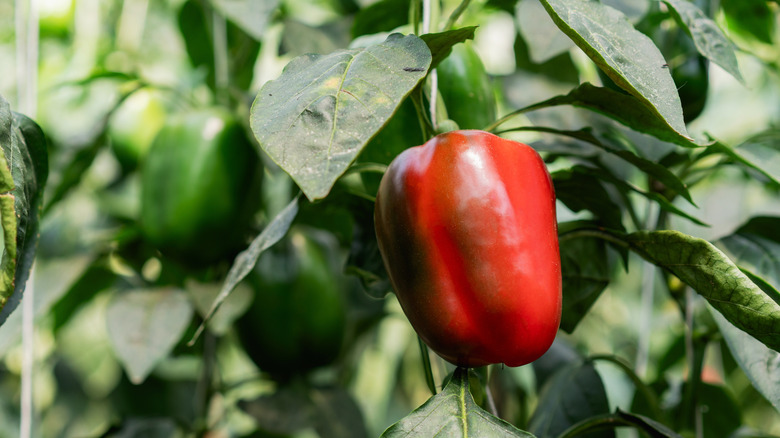
Whether you like them hot or sweet, there is no question that the best time of year to get your peppers (Capsicum annuum) going is in January. Being a member of the same nightshade family as tomatoes, you can begin them both indoors around the same time. Note, however, that while it will take tomatoes around 5 to 10 days to germinate and sprout, peppers can sometimes take weeks if indoor temperatures are colder. Leave them to grow indoors until after your last frost date, at which point they can be planted outside.
Carrots
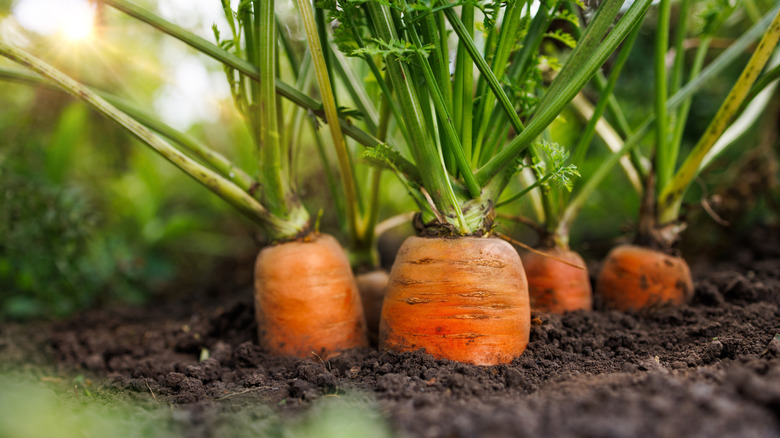
Depending on the type of variety you grow, carrots (Daucus carota subsp. sativus) can easily be planted and grown in January. They are another excellent contender for cold frame planting, as the frame will help keep them well protected from any hard frosts or colder temperatures. You can run a thin line of seeds in the loose frame soil, cover them lightly, and keep them moist and warm during the winter. Doing this early should help ensure you get sweet roots come later in the winter.