

Why More Homeowners Are Switching To Heat Pumps — And Why You Might Too
We may receive a commission on purchases made from links.
If the cost of winter heating is starting to make your blood boil, or if your summertime air conditioning bills put ice in your veins, you're not alone. A 2025 report by the National Energy Assistance Directors Association (NEADA) predicted a rise in winter home heating costs at a rate much greater than overall inflation, driven by increasingly high energy prices. Summertime cooling costs are also on the rise, in part driven by more intense heat waves. Fortunately, you have some control over how much you pay for heating and cooling beyond just adjusting your thermostat. The basic technology you're using to control temperatures in your home may be costing you more than necessary, and it could be time for a change.
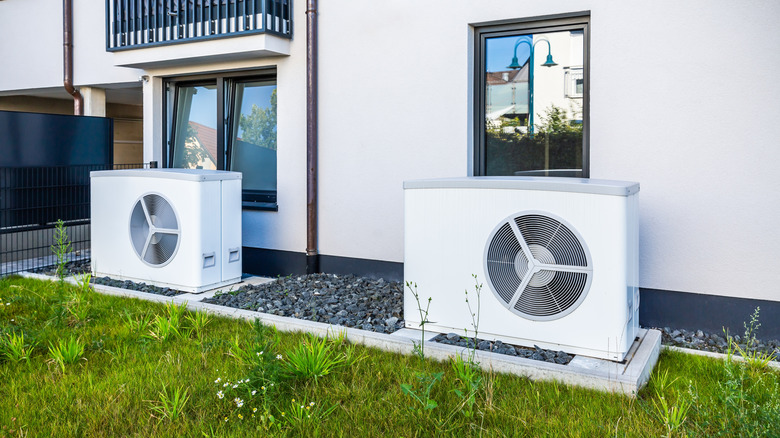
Heat pumps are growing in popularity for residential home heating and cooling due to their energy efficiency and overall cost savings to operate. Contrary to its name, a heat pump both cools and heats your home. The most common "air-to-air" type of heat pump works by either expelling warm air from your home, or drawing cool air into it from outside. Pumps can work with the existing duct work you have throughout your home, or they can be connected to ductless, room-by-room units called mini-splits. These can save you money because instead of heating or cooling your whole home, you're only controlling the temperatures in the rooms you're using.
Costs, and potential cost savings, of heat pumps
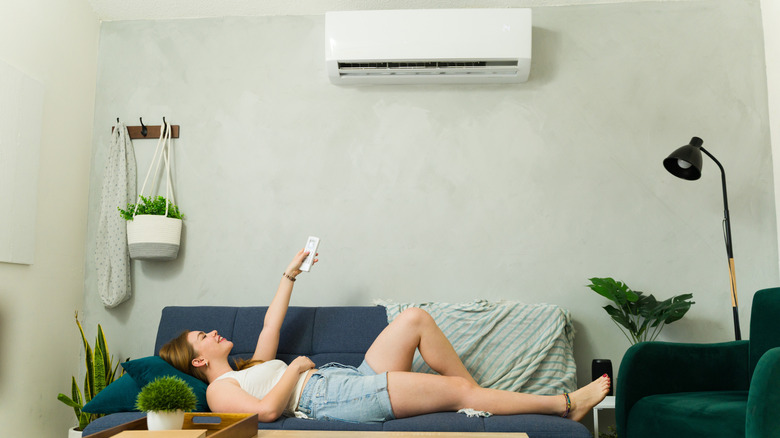
Heat pumps aren't cheap appliances, costing several thousand dollars. Consumer Reports' highest-rated, whole-house heat pumps cost around $4,000, not including installation. But if you need to heat or cool a small space, there are more affordable options, like this highly rated Mitsubishi heat pump and mini-split system for just over $2,000. Remember that you'll be trading upfront costs for long-term savings, especially if you do your research and install an Energy Star-certified mini-split, which uses up to 60% less energy than a standard electric radiator. Further cost savings may be found in tax credits or rebates. While federal tax incentives for installing a heat pump expired at the end of 2025, state or local incentives may still be available, like tax credits in Colorado and rebates in Washington. It pays to check with your energy company or state energy office when considering heat pump installation to see if you qualify.
There are some downsides to buying a heat pump that you may not have thought of, like making sure you have adequate outside space to install one, and considering having a back-up heat source if you live in a very cold climate for when you may lose electricity. If you do live in a very cold place, look for pumps specifically designed to operate efficiently even at below-zero temperatures. The technology and efficiency of these systems continues to improve, so if you're seeing signs that your heating system is going to break down this winter, or if you need to add air conditioning to battle hot summer temps, a heat pump is worth looking into.