

Think Twice Before Putting These 10 Things In Your Washing Machine
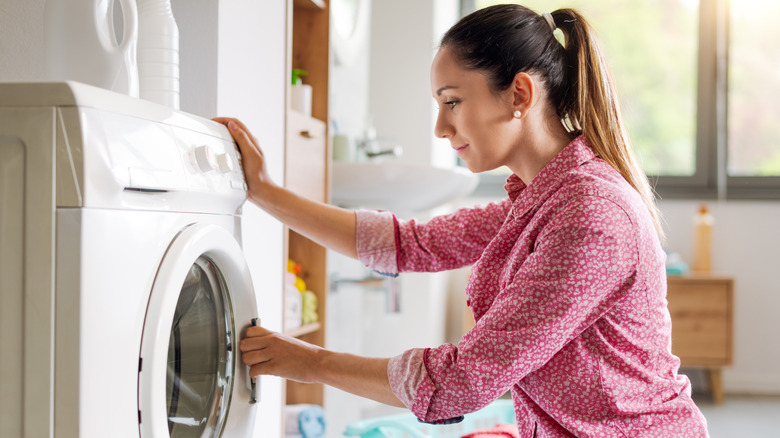
Technologically speaking, washing machines have come a long way over the last several years. You might also be lucky enough to own one of the most trusted brands of washing machines. Thanks to multiple wash settings, you can launder almost anything at home. The key word here is almost anything. Unfortunately, even some of the gentlest wash settings can tear delicate items apart, and certain things can get warped just from being placed in the washing machine altogether.
It's always a good idea to check care labels on clothing, towels, and linens to see what can go in the washing machine. Sometimes, these can still be machine wash safe as long as you use the right cycle, water temperature, and detergent. In fact, the Federal Trade Commission requires that all clothing items have these types of instructions. You may not see labels for every type of item you're curious about machine washing, though. To that end, you'll want to think twice before placing certain items in the washing machine.
Traditional business suits
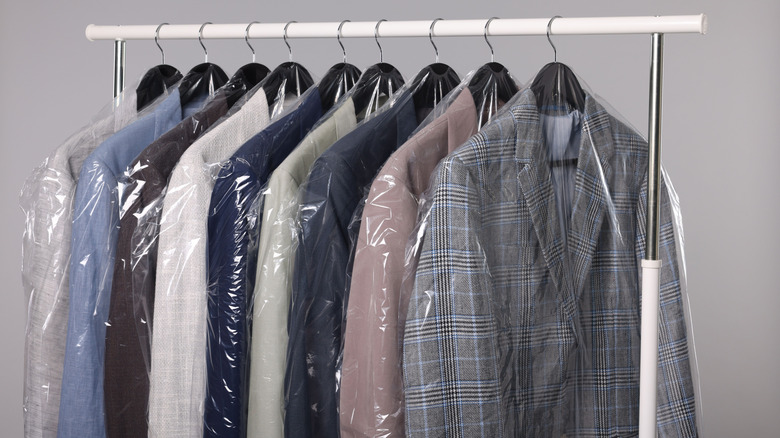
Most business suits require dry cleaning, which can certainly be an inconvenience if you don't have such services nearby. Before you attempt to place your suit in the washing machine on a gentle cycle instead, know that this will ultimately destroy your expensive outfit. It may even shrink or warp during the washing process. Always follow care labels in the instance of suits. Some modern versions are made specifically for machine washing, but you must be absolutely certain of this fact before proceeding.
Most types of shoes
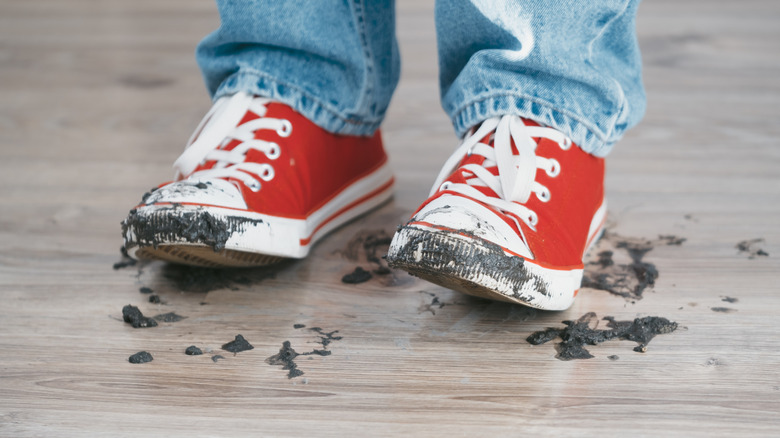
In theory, machine washing your shoes can help get rid of odors, dirt, and germs. However, doing so can bring about some undesirable results when put into practice. Any common shoes made with memory foam, leather, or suede should never be placed in the washing machine. You may be able to machine wash any canvas shoes you have, or any pairs made with other types of fabrics. Always confirm whether you can wash sneakers in a washer by checking their care labels, and always place them inside a pillowcase to prevent the shoes from causing damage to the appliance.
Bras and lingerie
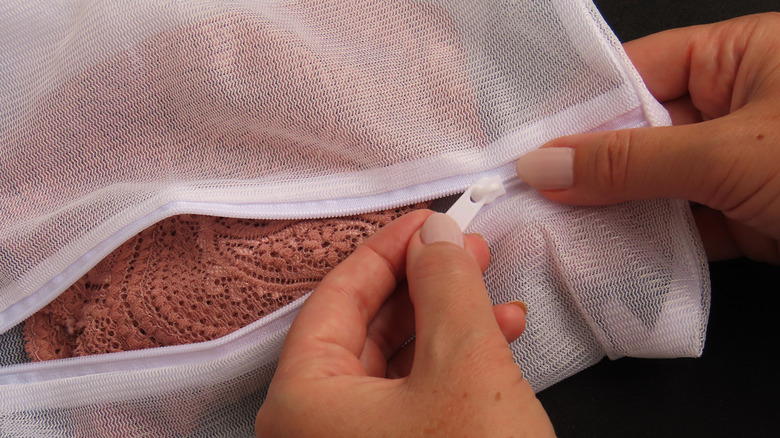
There are many reasons why bras and lingerie shouldn't be freely laundered in a washing machine. First, the washer can damage delicate fabrics like lace, and any bra hooks can catch onto other items and cause tears. Bras can also become warped and stretched out. Unless you have a pillowcase or a mesh lingerie bag, handwash these types of items instead of putting them in the washing machine.
Baseball hats
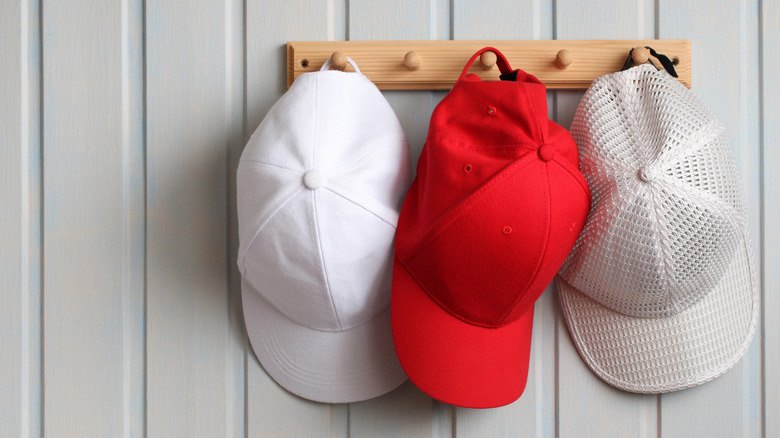
While it's possible to wash certain winter weather hats in the washing machine on a gentle setting, the same is not true of most other types of headwear. This is especially the case with baseball style caps. Not only might the brim of the cap warp and become uneven, but it might also shrink during the process. This can still happen even when you put the hat in a mesh laundry bag (I learned this the hard way!). Preserve your prized hats by handwashing them instead of throwing them in the machine.
Wool items
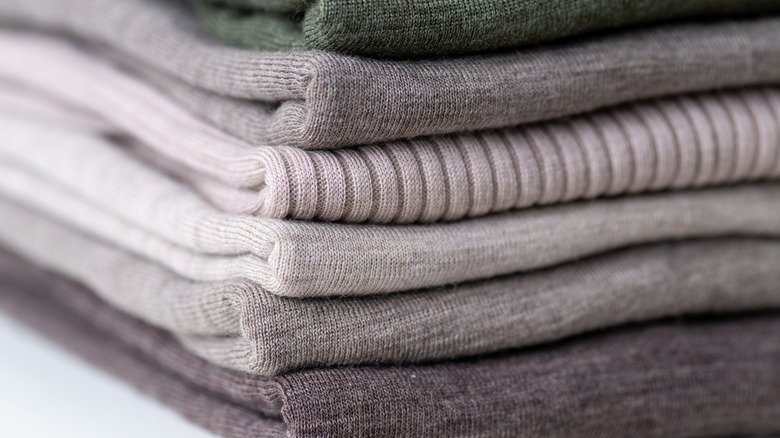
During cooler times of the year, you might find a lot more wool-based items in your laundry basket that need washing. These also unfortunately take a bit more time and care, as some wool items are not designed for use in washing machines. This rule especially applies to outwear, as well as anything not specifically labeled machine wash safe. If your wool item can be machine washed, be sure to use cool water and a gentle cycle to help prevent shrinkage.
Clothes with beads
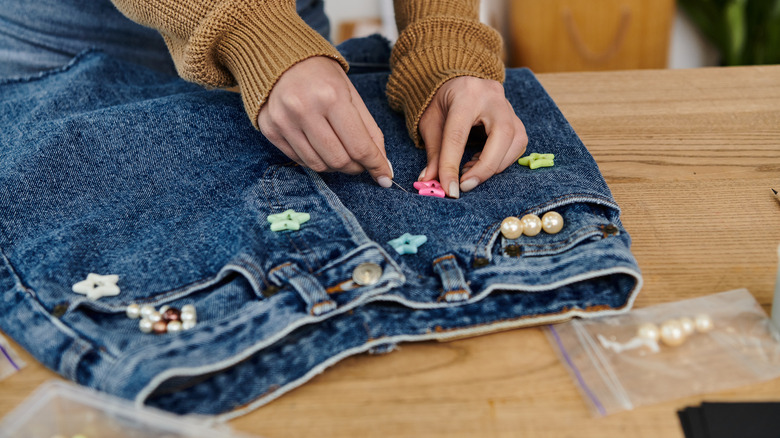
Thanks to the invention of gentle cycles on modern washing machines, you can now launder some delicate items. You'll still want to skip throwing in beaded clothing, though. While you might be able to minimize damage by placing such items in mesh bags, remember that beads and other intricate details are literally holding on by a thread and that too much wear-and-tear could pull them apart. Unless a care label tells you otherwise, you're better off handwashing such items instead of taking a risk with machine washing.
Too many towels or blankets at one time
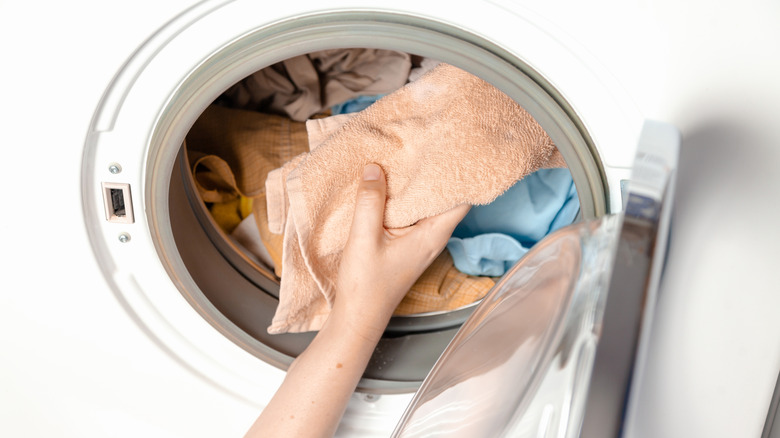
When you're faced with a hamper full of towels or a whole bedding set to wash, it's tempting to try to force as many items into the drum as you can. Placing your washing machine on the heaviest setting allowed doesn't give you permission to overload it, though. This not only overworks your washing machine, but the lack of space in between items means they won't be cleaned properly. It's also worth knowing how to fix an overloaded washing machine if you do accidentally put too many items in at once.
Items covered with debris
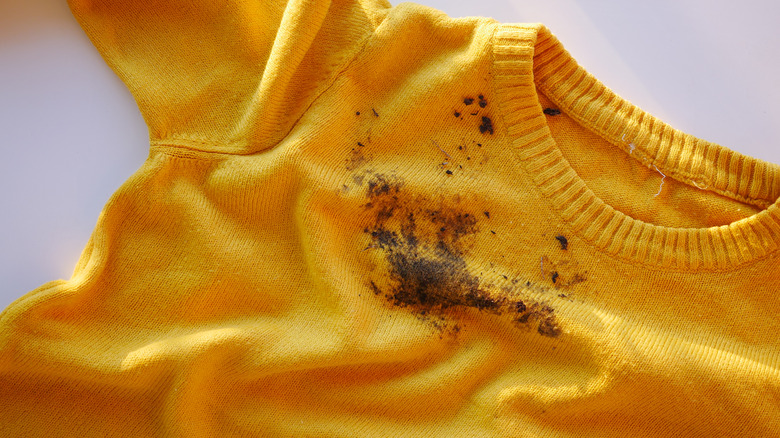
Whether you're dealing with gardening soil on clothing, sand on a beach towel, or pet fur on a blanket, it's important to remove these types of debris before placing the affected fabrics in your washing machine. In theory, the washer can remove all this hair, dirt, crumbs, and other debris, but you could also clog up the drain in the process. Shake off these laundry items over a trash can or use a lint roller over them to remove excess debris before washing them.
Fabrics stained by flammable liquids
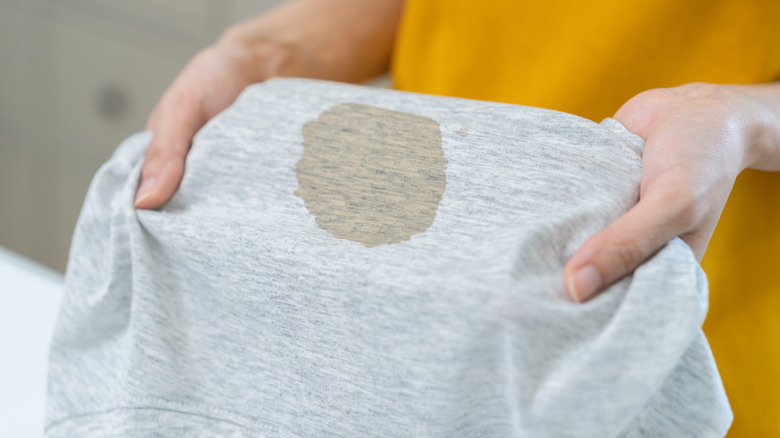
You can't just put any stained items in the laundry — especially those that are flammable. Maybe you were recently in the kitchen and spilled cooking oil on your clothes, or perhaps you got some motor oil or gasoline on clothing and rags from working in the garage. You may even be working on a home project and accidentally spilled rubbing alcohol or paint thinner on your clothes. Unfortunately, no amount of these liquids are safe to machine wash. Err on the side of caution and spot treat these items, or safely dispose them altogether.
Certain weighted blankets
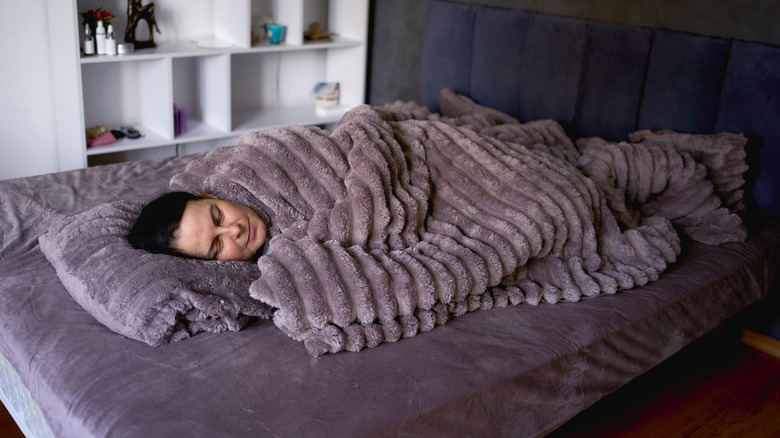
Weighted blankets have increased in popularity for possible benefits like anxiety and pain management, as well as improved sleep quality. However, you cannot automatically wash a weighted blanket in the same way as non-weighted ones in your home. Check the care label carefully — in general, those made with beads made of glass, plastic, or steel are machine washable. All others may require dry cleaning or handwashing instead.