

20 Things You Should Never Store In Your Garage
We may receive a commission on purchases made from links.
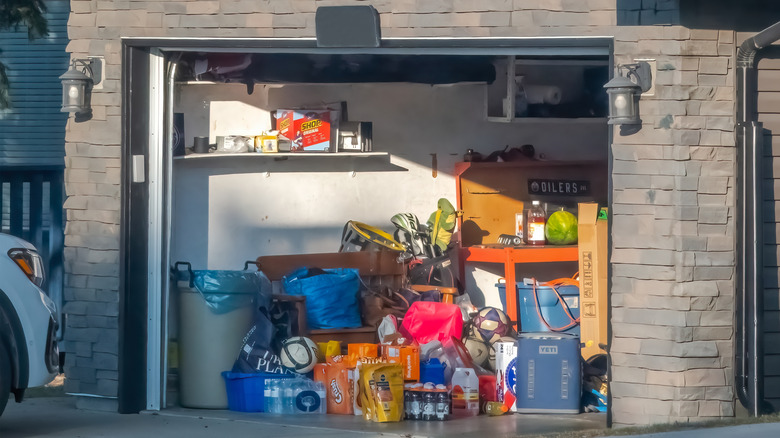
Garages are an unsung hero in many homes when it comes to storage. They're a simple space where we put the things we don't use every day and the stuff we just aren't ready to toss. Whether it's leftover paint from last year's living room makeover or those boxes of books that don't feel disposable yet, the convenience of garage storage is hard to beat. Whether yours is attached or not, garages are close, roomy, and keep your keepsakes out of sight and out of mind, but well within reach. Garages feel like a perfect storage solution until you start hunting for something and realize it's warped, moldy, leaking, or just plain ruined.
From paint cans to propane tanks, there are certain things you should never store in your garage. The problem is that for all their convenient storage, garages also come with some real risks. Extreme heat, freezing temperatures, humidity, poor ventilation, and pests can all do serious damage. Certain items can lose their usefulness, grow mold, or even pose serious risks when they aren't stored properly. Since most garages aren't climate-controlled, materials expand and contract, chemicals break down, paper and fabrics absorb moisture, and adhesives fail. When you add safety concerns like fumes or flammability and basic space limitations, it becomes clear that convenience isn't always all it's cracked up to be. Knowing what not to store in your garage can save you money, protect your health, and keep your home safer.
Paint cans
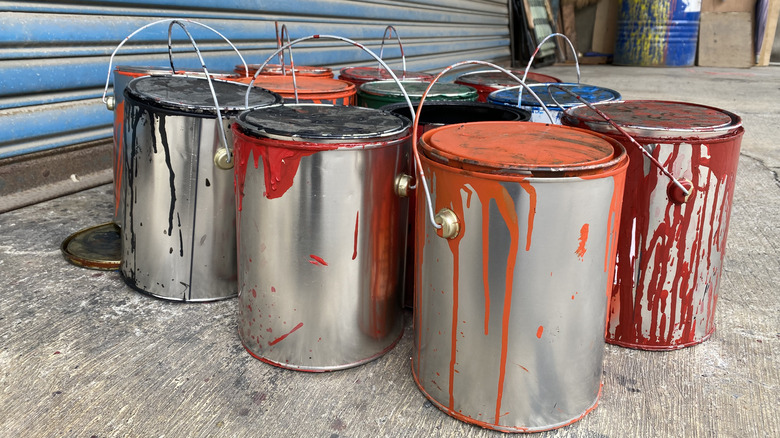
Most of us are guilty of stashing leftover cans of paint in the garage, but roasting summer and freezing winter temperatures can wreck even the highest-quality brands. Heat and cold can ruin paint over time, often causing clumping or weirdly grainy textures that stand out when it's time for a touch-up. Worse yet, metal paint cans sitting on concrete floors can rust faster than you might think, especially during humid weather, leading to messy leaks or permanent stains. A climate-controlled basement or utility room is a better spot for storing paint cans than your garage.
Propane tanks
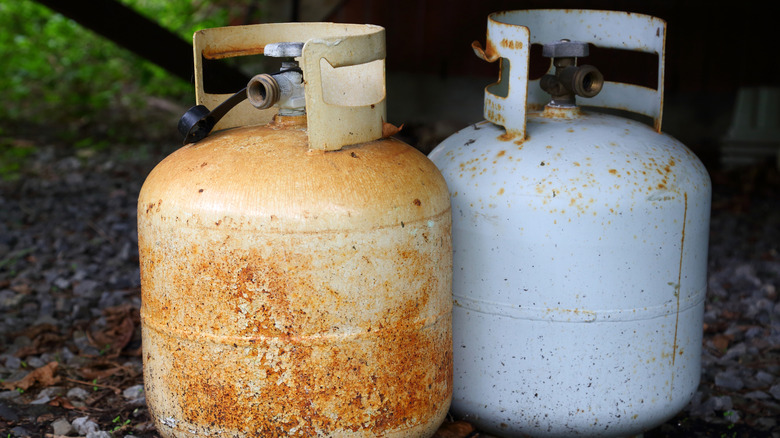
If you're obsessed with cooking out all summer, it makes sense to keep your grill protected from the elements when winter arrives. But there's one component you should probably store elsewhere to keep your family safe, especially if you have an attached garage. Propane tanks can leak and allow gas to pool, where even a tiny spark from your car or a power tool could trigger a fire. So how should you store propane cylinder tanks when they're not in use? Store them outside, upright, and away from heat sources (and curious children!)
Important documents

Whether you've got all of your old tax paperwork carefully organized in a banker's box or you've gladly (or not so gladly) inherited a stack of old newspapers that might be worth something, the garage is not a good place to store important documents. Garages experience extreme temperature swings, which are especially damaging to paper. High humidity in the summer will make ink bleed and encourage mold growth, while a wide variety of pests will happily munch on your birth certificate like it's a delicacy. Keep important documents in a fireproof box or safe inside your home instead.
Upholstered furniture

Those flippable furniture pieces you found on Facebook might fit in your garage, but that doesn't mean you should store them there. Once again, it comes down to the lack of climate-control. Fabric and foam absorb moisture easily, making them prone to mildew in dark, damp spaces. Humidity causes musty odors on upholstery, and pests can make themselves comfortable deep inside wooden frames long before you realize it. If you must store upholstered furniture in your garage, make sure it's temporary, and wrap pieces in breathable furniture covers like the Storage Standard Heavy-Duty Clear Bags from Amazon first.
Electronics
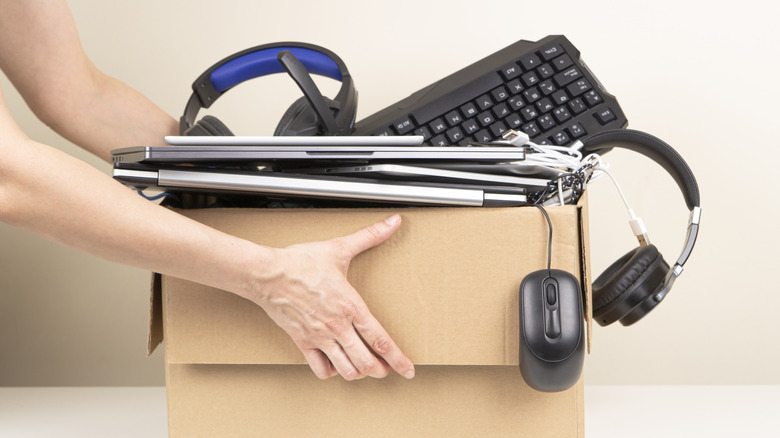
The conditions inside your garage are bound to be brutal for anything electronic. Temperature swings and humidity cause condensation inside all kinds of gadgets. From headphones to tablets, it won't take long before wiring or internal components are corroded beyond repair. Instead of storing electronics you're not using anymore in your garage, consider Best Buy's trade-in or recycling programs. If you're just not ready to let go of them yet, the best place to store electronics is a cool closet or cabinet with a few silica gel packs like Romeda's Desiccant Packets to keep them safe from moisture.
Old mattresses
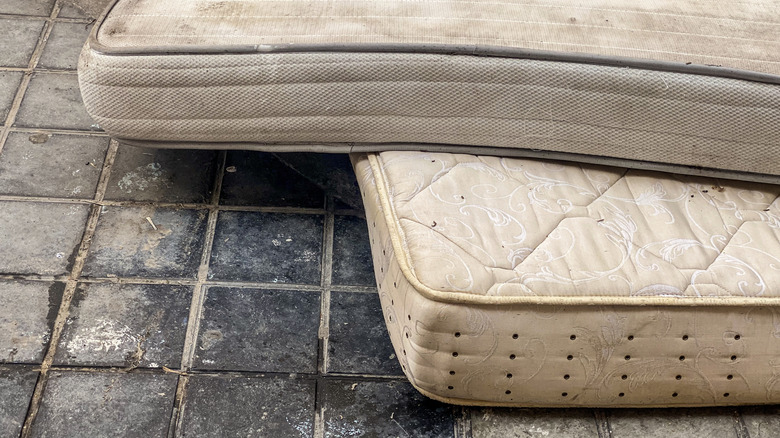
It's surprisingly hard to get rid of an old mattress, which is why many of us have one leaning against a garage wall. But whether you have plans to put it in a guest room someday or just need to muster the energy to haul it to the dump, storing mattresses in the garage is asking for trouble. They trap moisture and dust like sponges, and according to WebMD, old mattresses can contain millions of bacteria per square inch. Store them inside or spring for a mattress removal service, which averages $100 (per Angi).
Musical instruments

Don't let the expression "garage band" fool you. Guitars, pianos, and drum sets are way too sensitive for a garage's extreme swings. Instead of beautiful music, instruments stored in a garage will make the painful sounds of wood cracking, glued joints loosening, and metal parts tarnishing and corroding in high humidity. It's not just temperature fluctuations that matter. Consistent ambient humidity is also necessary to keep instruments from warping or going out of tune. Along with a climate-controlled space, your instruments should be stored inside hard-shelled cases with a few silica packets thrown in for good measure.
Leftover fireworks
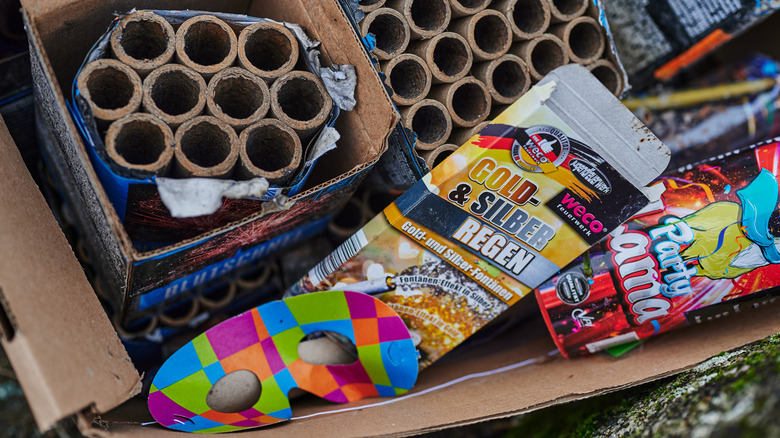
Fireworks are tons of fun, until they cause devastating tragedies. Whether you bought more than you needed or had your 4th of July festivities rained out, it's easy to find yourself with a pile to store. Fireworks contain flammable fuels and fuses that can quickly go from harmless to dangerous with a spark or heat buildup. Storing them near power tools, solvents, or ignition sources often found in attached garages increases your risk of fire. Instead, store fireworks inside a lockable metal or plastic storage bin situated outside your house, or a shed located away from any heat source.
Wallpaper rolls

Wallpaper is making a major comeback. Some patterns can be seriously costly, so if you've got a few rolls lying around after sprucing up your powder room or home office that you want to keep, nobody could blame you. To keep extra rolls from warping, wrinkling, and losing their adhesive viability before you get to hang them, store wallpaper anywhere but a damp or humid garage. Paper-based products, including wallpaper, absorb moisture out of the air, which means if you store them improperly, you'll end up making a soggy mess instead of a stunning design statement.
Batteries
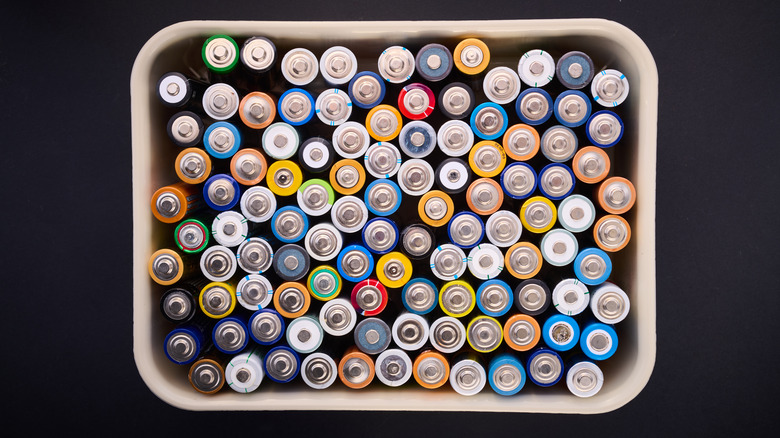
Whether you've got a stash of extra AA batteries, you've been meaning to trade in that corroded car battery for a new one, or you've sprung for a few extra rechargeable versions for your favorite power tools, the garage isn't a great place to store them. Lithium-ion battery fires do occur in real life, especially when batteries are stored improperly, and your garage could create disastrous conditions. Stored batteries need cool, low-humidity surroundings and should be shielded from direct sunlight at all times because it can make them degrade or dangerously overheat.
Carpet remnants
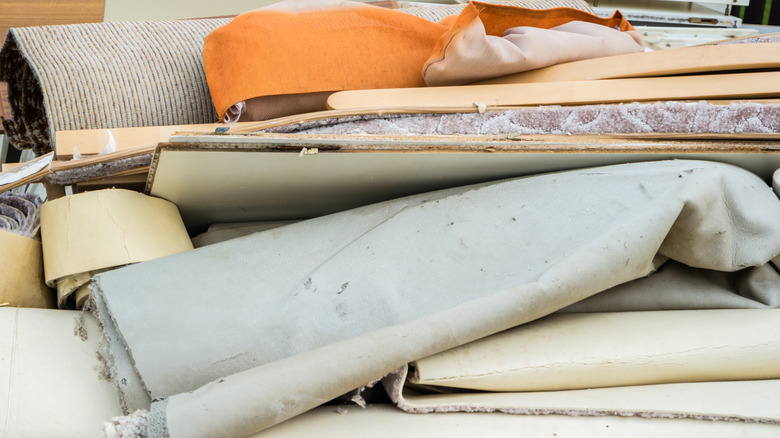
Nearly everyone has at least one rolled-up strip of leftover carpet, saved for repairs, pet accidents, or just in case. Unfortunately, a garage is one of the worst places to store carpet because it absorbs moisture from the air and concrete floors. The trapped dampness can lead to mold and mildew, which flooring experts warn is nearly impossible to fully remove. If you want to make sure your carpet remnants stay usable, tightly wrap them with brown paper or muslin cloth before storing in a climate-controlled room or closet.
Leftover soil or mulch
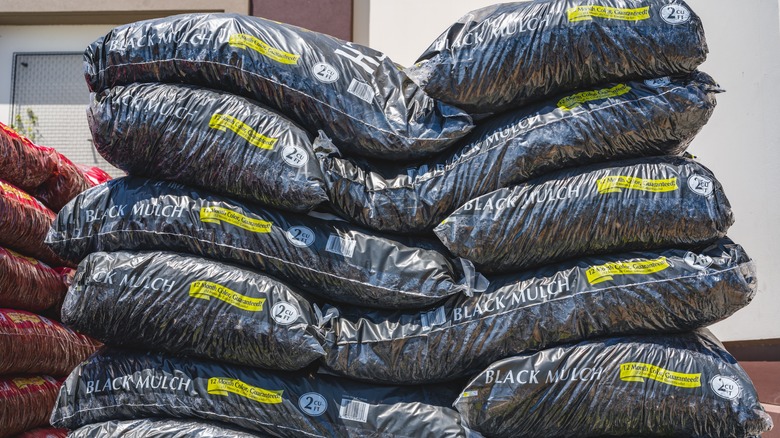
After spending time and money choosing the best type of mulch, you may find yourself with a few leftover bags after a weekend project. The garage may seem like a convenient place to store those leftovers, but heat and humidity can cause condensation, which can lead to mold growth, nasty odors, and even insect infestations. Fertilized soils are another surprising culprit, since they can release ammonia-like gases as they break down, making enclosed garages unsafe. Although you can store them in a dry, dark corner, preferably in an air-tight container, consider storing garden amendments outside.
Grout
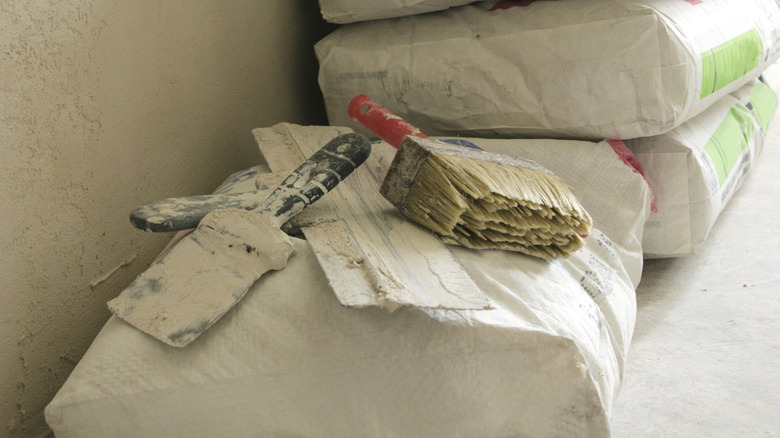
If your garage doubles as a workshop, you may use it to store supplies like grout. Since grout is extremely sensitive to moisture and temperature swings, it's not the best spot. Without a climate-controlled space, grout is prone to clumping, premature hardening, and weaker bonding (a problem you won't want to discover after you've finished a project). Even unopened bags can absorb humidity from the air, and once grout begins to set, there's no fixing it. When there's simply nowhere else to store your grout, either plan on pitching any leftovers or sealing them up in an airtight container.
Flooring

Hardwood to linoleum, no matter what types of flooring you've installed in your home, any leftovers often feel too valuable to toss. But your garage is hands-down the worst place to stash them. Temperature swings can cause warping and cupping in wood or engineered planks, while vinyl and laminate can quickly start to expand and curl. Humidity can also wreak havoc, creating conditions that permanently ruin even unopened boxes of flooring before installation. The best way to protect your investment is to store flooring in the room where it's installed, or at least indoors, where temperatures stay relatively stable.
Decorative molding
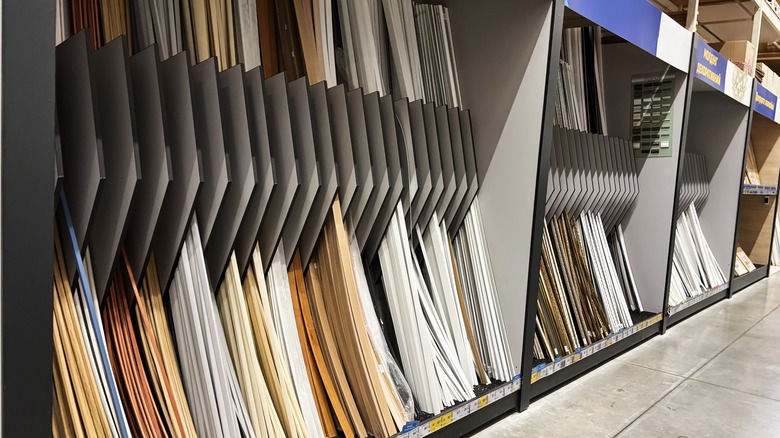
Decorative molding may feel sturdy, but most trim pieces, especially those made from MDF or unfinished wood, are extremely sensitive to moisture. In a garage, humidity can cause thin quarter-round or thicker lengths of wainscoting to swell, warp, or crack, while heat can dry them unevenly and alter their shape. As a result, installation can be more difficult, with pieces that no longer sit flush against walls or corners. Follow the lead of major home improvement stores and store your molding neatly upright and in a cool place.
Drywall sheets
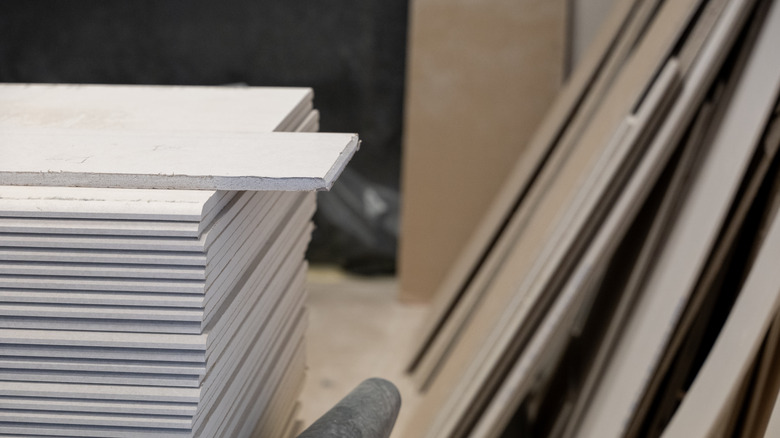
The price of drywall keeps going up, but storing your stash in the garage is asking for trouble. By now, you probably know that moisture is practically inhaled by drywall's paper face and gypsum core. Water exposure causes sagging and softening, making it almost impossible to cut or hang properly. But there are other risks to storing drywall in your garage. Pros typically store drywall flat, which can be difficult if space is limited. In a busy garage, sheets are also more likely to be bumped, crumbling corners and damaging edges.
Mop heads

When you store a damp mop head in your garage, especially ones made of string or sponge materials that can trap water inside their fibers, it's almost guaranteed to start growing stinky mold thanks to the combination of damp conditions and lack of airflow. According to cleaning experts, using a contaminated mop can actually spread bacteria around your house instead of removing it. After cleaning your mops, air-dry them completely before storing them somewhere indoors where they can stay dry between cleaning sessions.
Cleaning products
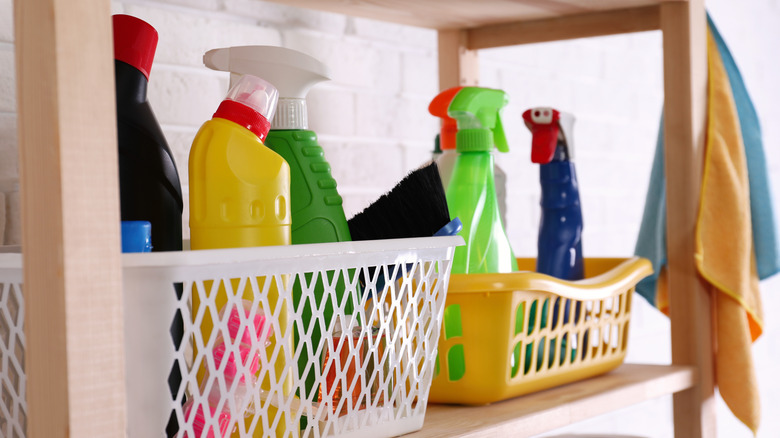
Some cleaning products are downright dangerous to store in your garage, especially if they contain reactive or flammable ingredients. Bleach breaks down quickly in the heat and can release toxic fumes into the air. If your bottle leaks or mixes with nearby ammonia-based cleaners, the resulting chloramine gas can cause serious respiratory distress. Solvent-based polishes and degreasing products can also cause problems in extreme heat, since they can give off gas or even ignite if they get hot enough. To lower your risk, keep your cleaning products indoors in a cool and well-ventilated space.
Paper towels
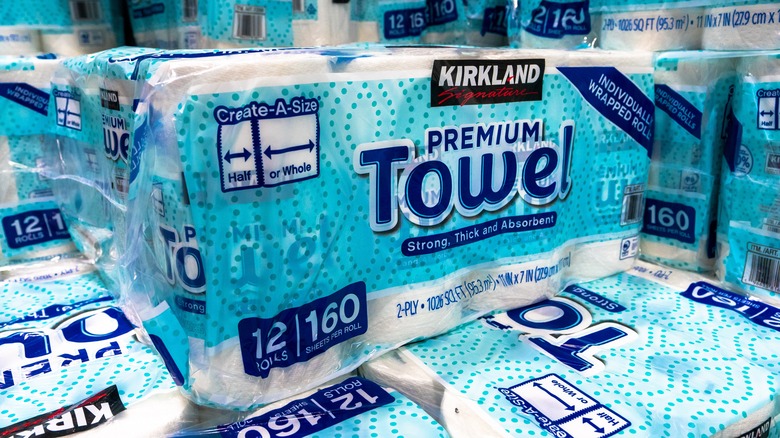
When you find a great deal on a bulk package of paper towels, it's tempting to store them in the garage. But even sealed packs can absorb ambient moisture, especially if you toss them on a concrete floor. You may not notice the damage until you bring them inside and find they feel damp or smell musty. The cardboard cores can also attract rodents and insects that like using them for nests. If you still want to stock up, store them in a utility room or try the genius paper towel storage trick that keeps your cabinets tidy.
Books

Books and garages don't mix, and if you love revisiting your favorites, storing your books anywhere else in your home is a better idea. Paper absorbs moisture, and the humidity swings in garages can cause pages to warp, bindings to loosen, and mold to form. You're also likely to find silverfish or rodents nibbling on the pages before long, since both paper and glue are tempting to unwanted visitors. Once books develop mold or significant damage, they're difficult to restore. It's better to keep your favorite tomes away from humidity, or even consider donating extras to a local library.