

Ditch This Outdated Flooring Trend Designers Are Abandoning In 2026
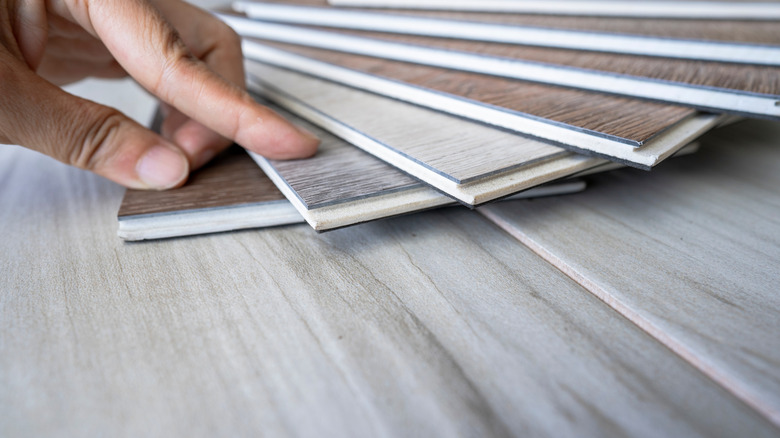
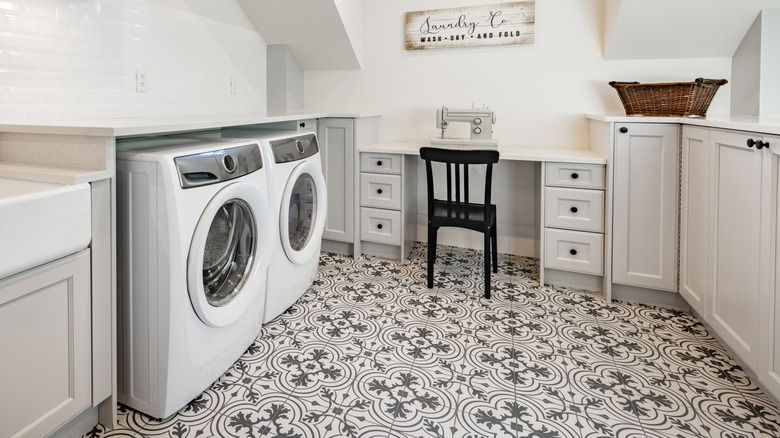
Updating your flooring is one of those changes that instantly shifts how a home feels. Before you add furniture or art on the walls, your floor sets the stage for your decor. That's why the type of flooring you choose matters. In an interview with The Spruce, designer Nina Lichtenstein said certain types of peel-and-stick tile flooring may be on the way out. "Heavy pattern-on-pattern vinyl that mimics old-world tile often reads more theatrical than timeless. Subtle texture and depth will take its place, with materials that evoke calm and connection rather than competing for attention," she said.
Instead of feeling like a calm place to land, rooms with busy vinyl don't feel especially livable. Heavily patterned vinyl also tends to feel artificial, lacking the depth and natural variation people now associate with quality and warmth. Today's design mindset leans toward ease and longevity, including softer textures, muted movement, and finishes that don't scream for attention.
In a world craving grounded, peaceful spaces, subtlety has replaced spectacle — and flooring that whispers rather than shouts is what feels both current and timeless. While authentic Spanish and Portuguese tiles have their place in smaller areas of the home, the loud, patterned, and bombastic effect of the vinyl tile flooring simply doesn't fit that philosophy.
The 2026 flooring trends that are replacing vinyl tile
Heading into 2026, designers and manufacturers are talking about calmer, warmer, and more intentional home flooring. Shiny, mirror-like floors are a popular flooring trend that's officially out, according to our interior designer. They're being replaced by matte and satin surfaces that let the natural character of wood — such as the grain, knots, and subtle color shifts — do the talking. At the same time, sustainability is no longer a fringe concern. Homebuyers are paying attention to where flooring materials come from and how they're made, gravitating toward responsibly sourced hardwoods, reclaimed wood, recycled-content floors, and renewable materials like cork and bamboo. Low-VOC (low volatile organic compound) finishes and natural oil treatments are also becoming standard asks — especially for households thinking about long-term indoor air quality and healthier living spaces.
Visually, scale is playing a big role in how floors shape a room. Wide, long planks continue to gain popularity because they reduce visual breaks and make small layouts feel more expansive. Fewer seams also mean a smoother flow from room to room, which feels especially important in homes where kitchens, living areas, and dining spaces blend together. Large-format tiles are also stepping into the spotlight, thanks to advances in textures and finishes that make porcelain convincingly resemble stone or concrete without the high maintenance. These oversized tiles cut down on grout lines and create a cleaner, more modern look. Across the board, warmth like honeyed wood tones and earthy neutrals ties everything together — signaling a move away from cold, overly dramatic design toward floors that feel grounded and livable.