

22 Smart Ways To Use Old Towels Around The House Instead Of Tossing Them Out
We may receive a commission on purchases made from links.
Even if you've figured out how to recycle everything in your house, reusing old items before getting rid of them is often the most eco-friendly option. Towels are a good example. Their fibers are generally challenging to recycle, and even if you do happen to find a textile recycling drop-off box in your community, it's unlikely that your old towels will morph into a fluffy new set of bath linens. Most textiles that make their way to recycling centers are turned into insulation, mattress filling, and other items that can't be recycled another time. This does little to reduce the amount of freshly farmed cotton being made into brand-new towels. To help fight this problem, challenge yourself to find new purposes for old bath towels, dish towels, and similar textiles. The good news is that there are lots of options to reuse them in your home and garden, from reimagining towels as cleaning rags to upcycling them into new objects that are nice enough to give as gifts.
Some of the simplest ways to extend old towels' lives involve cutting them into pieces. Small microfiber squares are great for polishing mirrors and cleaning yard tools, while terrycloth circles are adept at removing cosmetics from skin. Long, narrow strips of towel fabric have just as many uses, from bandaging cuts and burns from kitchen mishaps to entertaining dogs when upcycled as chew toys. Invite a needle and thread to the reuse party, and you've got all kinds of additional ways to transform old towels into something new.
Design abstract mats for tables and floors
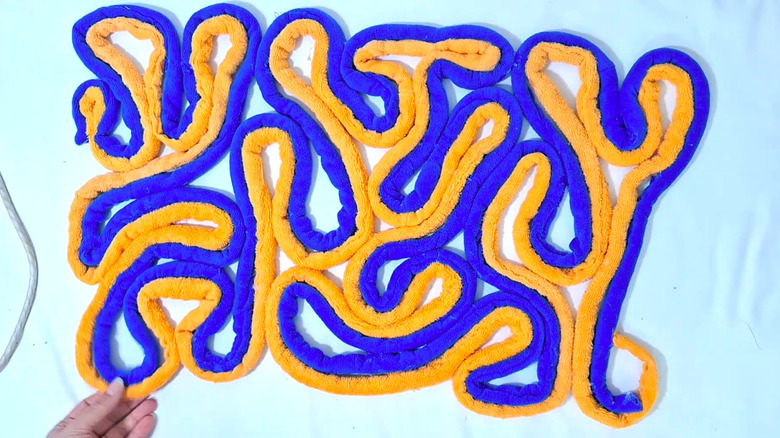
Whether you're seeking a soft landing for your feet beside the bed or a unique set of placemats for the kitchen table, towels have got you covered. Cut towels of a few different colors into 3-inch-wide strips and sew together their ends to create long fabric strands. Roll one long edge of each inward so the strands look like noodles. To help the fabric hold this shape, stitch a seam down each strand. Then, bend the noodles into squiggly shapes. Make sure their edges touch each other often and hot-glue the intersection points.
Craft no-sew bed pillows
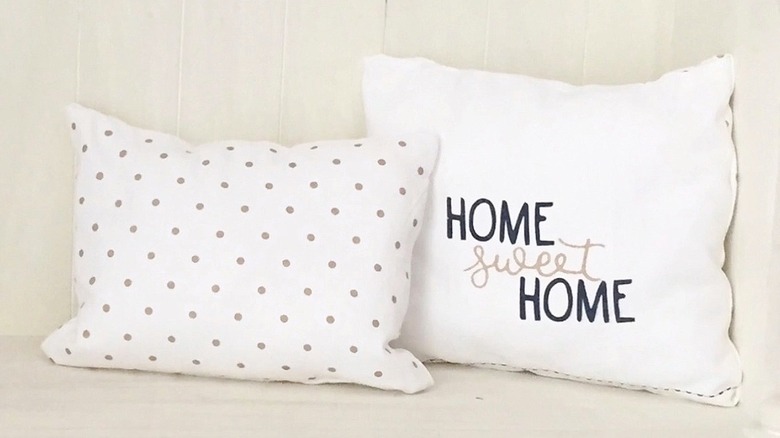
Want more padding to cradle your sleepy head at bedtime? Turn old towels into squishy pillows. Tea towels work well for making a small bed pillow, and beach towels are ideal for making an extra-large one. To make one pillow, gather two towels with the same dimensions, double-sided fabric tape, and filling such as Daylendar polyester fiberfil stuffing. Stick together three sets of edges, making sure any designs that should appear on the pillow's exterior are facing each other. Turn your creation inside out, plump it up with filling, and close the open edge with tape.
Reupholster a chair
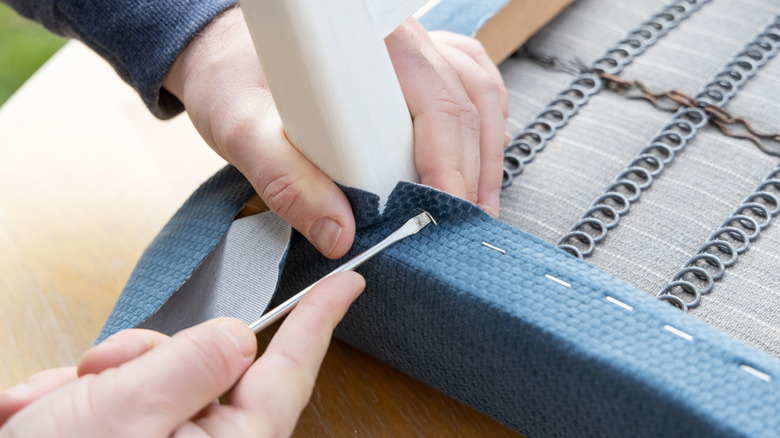
Have frayed but fantastic towels and a dining chair that's seen better days? Try reupholstery. Unscrew the seat from the frame and un-staple the old fabric. If the padding is worn out, swap it for new foam you've cut to match the seat's dimensions. Affix the foam with a spray mount such as Camie Fast Tack. If you don't have a towel that covers the whole pad, patch together a few. Trace the old cover onto the fabric to help you cut out a new one. Then, pull the fabric tight and staple it to the seat's bottom.
Stop drafts in an instant
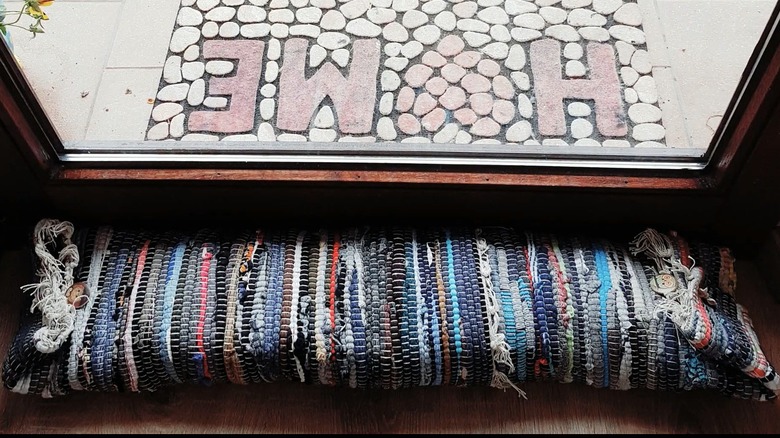
Drafts from doors can raise your winter energy bill. Fend them off by placing a rolled-up towel — or a fabric mat rolled around a towel — across the lower interior edge of a draft-prone door. It will provide insulation and a barrier that prevents cold air from rushing in and warm air from sneaking out. In general, thicker towels are better at keeping drafts under control. You may also need to set something heavy — a brick or a book, perhaps — on top of the rolled-up towel to get it to stay put.
Engineer a lap desk
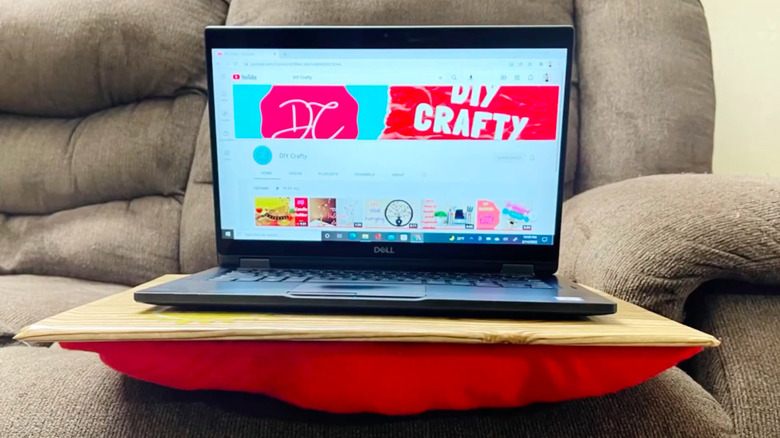
A lap desk improves your posture while you're typing and gives your computer a secure resting place when you're sitting on a sofa. Try making one at home. A towel can provide a cushion-like bottom, while a pallet sign from a craft store can serve as a desktop. Many lap desk surfaces are about 17 inches long and 13 inches wide. Two or three hand towels folded in half and stacked are about the right dimensions for the bottom. Hot-glue the layers of folded towels together, and then glue or staple the stack to the wood.
Knot into sculptural throw pillows
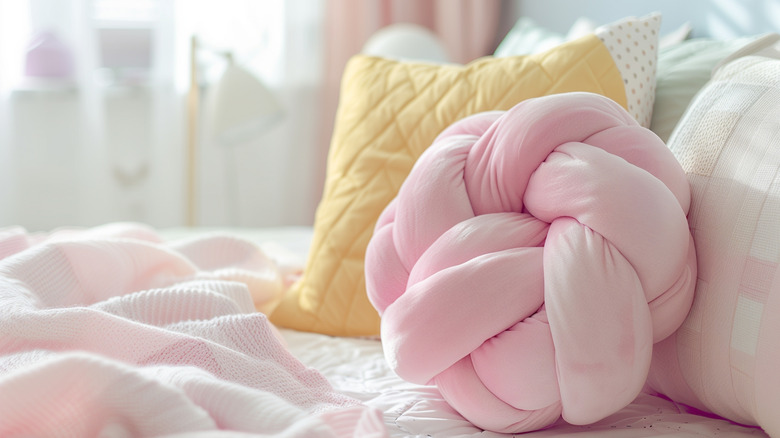
Make a free pretzel-knot throw pillow to elevate a sofa or bed. There are several ways to achieve this look by rolling and tucking an extra-large towel. One involves laying the towel flat and rolling each long edge toward the center. This produces two long, side-by-side cylinders that are attached to each other. Cross the ends and pull one through the other. Push the first end of the tube through the center of the upward-facing side of the knot you formed. Then, push the other end through the middle of the downward-facing side, tucking in loose pieces.
Craft a no-sew shag rug or doormat

Do you love the fluffy look and feel of a shag rug? Make one for next to nothing by upcycling old towels. Cut them into strips that are about 5 inches long and 1 inch wide. You may need several hundred of them for a doormat and even more for a larger rug. Then, grab a non-skid rug mat such as a Gorilla Grip Strong Rug Pad Gripper. Guide the strips through the holes in the mat so their ends stick up. No knots are needed if the holes provide a snug fit.
Turn bath towels into kitchen towels and dishcloths
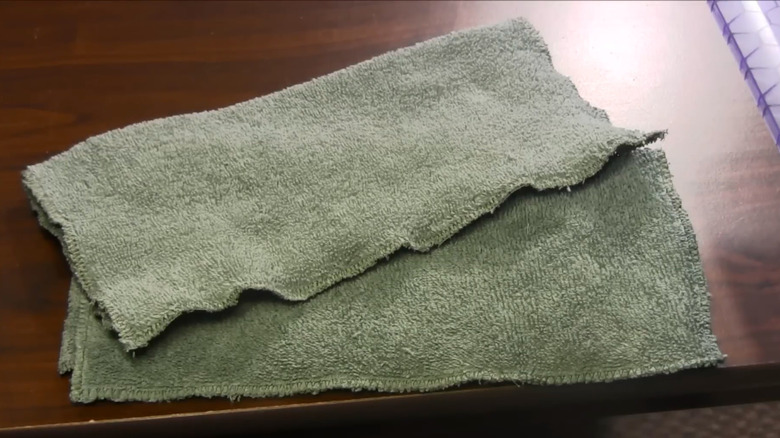
Just as you can sew custom bath towels with a piece of terrycloth, you can create bespoke kitchen linens from existing bath towels. With a little bit of cutting and stitching, it's possible to transform a bath towel with ragged edges into a set of dishcloths or tea towels that are nearly any size and just as good as new. In fact, they'll be better than new because you made them and lent the planet a hand. For dishcloths, use 12-inch by 12-inch squares and sew their edges with a double-overlock stitch.
Produce pot holders
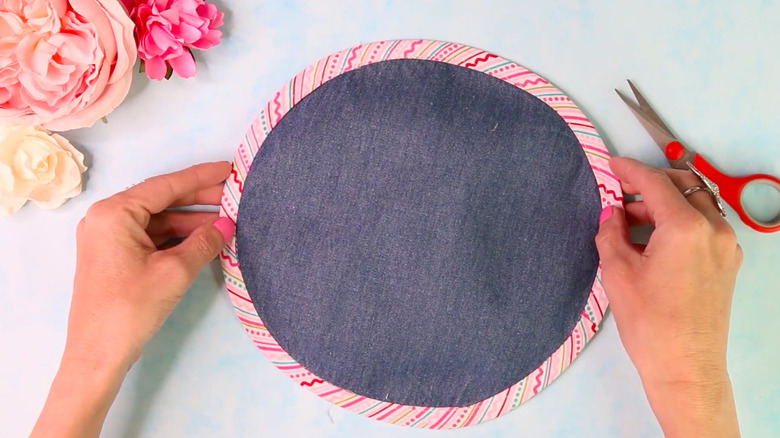
Many cotton towels can have a happy second life as a pot holder. Use your best-looking spare tea towels for the exterior and thick, beat-up bathroom towels as interior padding. To make a round model, find a plate that's roughly the same size as the pot holder you'd like to make. Trace it onto all towels you're repurposing for this project and cut out the circles. Stack two tea towel circles on top of one padding circle. Stitch around the perimeter, leaving a small opening for turning the sewed fabric inside out. Finally, close the gap.
Make a coiled bathmat
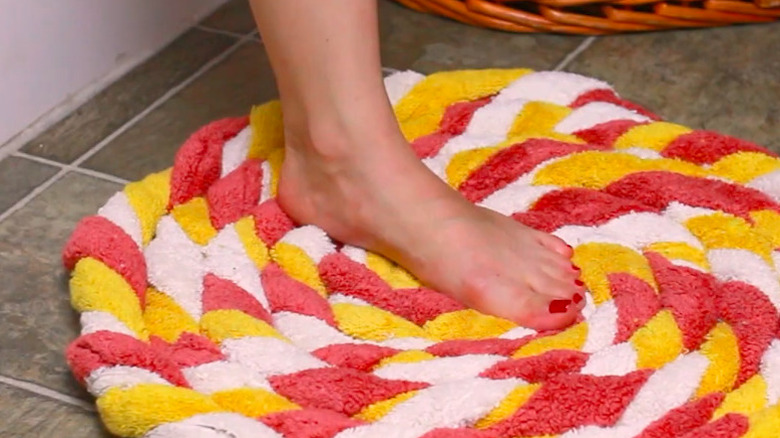
Bath sheets can be repurposed as chunky string for many crafts. Cut several into 3-inch strips and bind their ends to make long strands. Next, stack three strands and sew their top edges together. Fold the long edges of a single strip inward, and then fold the entire strip in half lengthwise. Do the same with the other strips, using pins to hold folded sections. After that, twist the three strands together, form a coil with the resulting rope, and sew up the gaps between strings. For a peppermint-swirl look, use red and white bath sheets.
Create a large bow for a horizontal handle
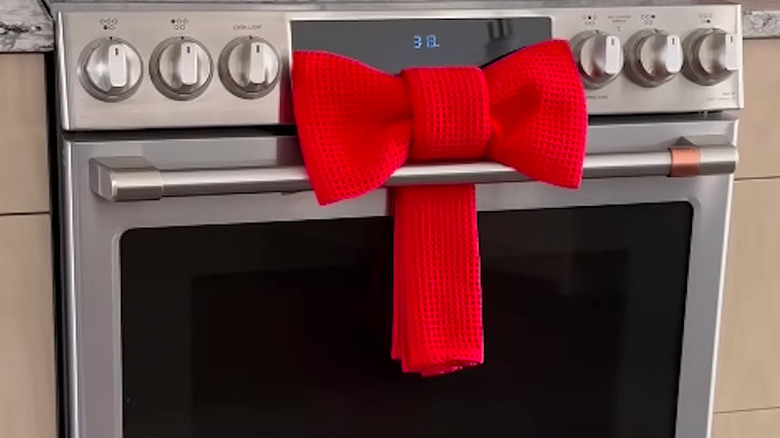
A humble pair of dish towels can be transformed into a fancy bow for decorating the horizontal handles on kitchen drawers, gift baskets, and more. Fold one towel in thirds lengthwise, and then in half widthwise. Fold the second towel in four sections so it looks long and thin. Place the first towel in the middle of the line you've formed with the second towel. The towels should be perpendicular to each other. Then, fold the second towel over the first at its midpoint and pull its ends downward through the handle.
Reuse as gift wrap
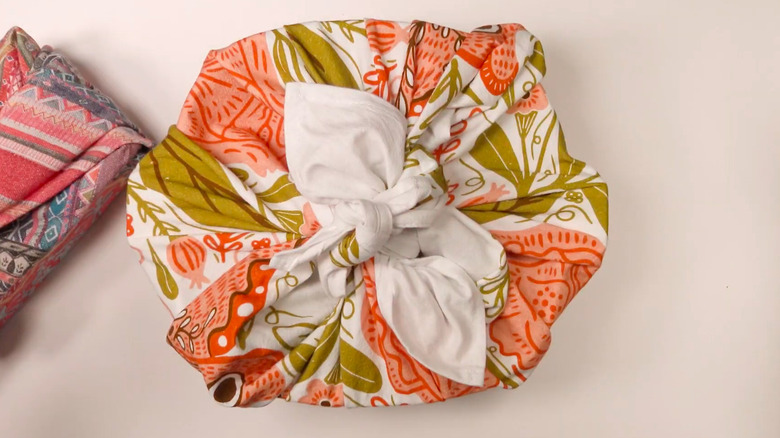
A tea towel with a colorful print or interesting texture is a nice alternative to wrapping paper that the recipient of a gift can reuse or toss in their compost pile. Try placing a small gift in the center of the towel and then gathering the edges, tying them into a pretty knot at the top of the bundle. If you're not into topknots, you could keep the package shut with a ribbon or string. Giving a gift that has to do with oceans, swimming pools, or beaches? Consider concealing its identity with a beach towel.
Piece together a garland
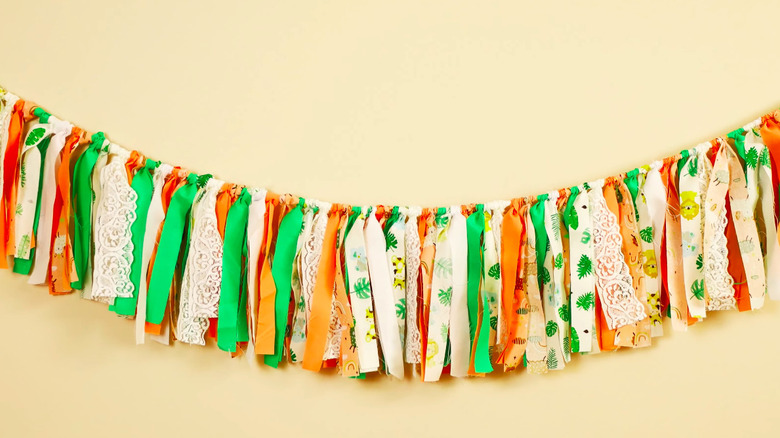
Seeking a way to brighten up a baby's nursery or make a party feel more festive? A DIY garland is just the ticket. Cut towels and other fabric into strips of similar lengths or pennant-style flags. Then, hang them on a thin rope. If you're using strips, tie them onto the rope. If you've opted for flags, you can hot-glue them on. Position the flags so they're spaced evenly. Add glue to every point on the rope where a flag should go. Fold each triangle's base edge over the rope and press it into the glue.
Reinvent as a giant tote bag
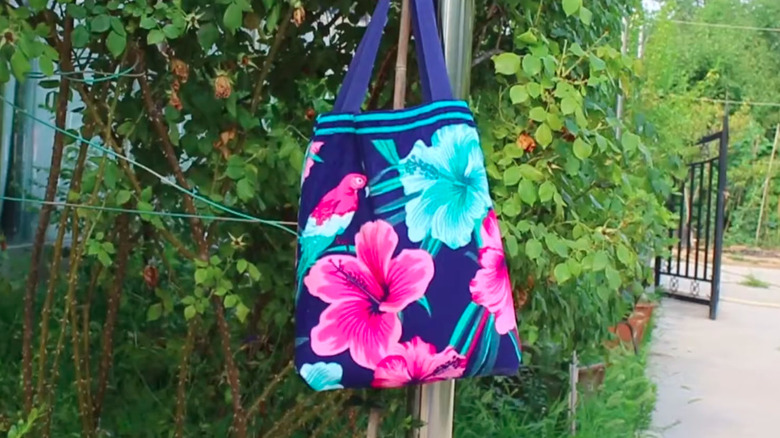
The best possible beach tote might just be made of a beach towel. Fold an old one in half, stitch up the sides, and attach handles to the top. Turn the modified towel inside out to hide the seam stitches. Then, if you'd like, add some embellishments. To give a plain towel some personality, incorporate iron-on patches or a fabric border in a contrasting color. Or, paint on stripes or a stenciled design. Some paint kits designed for textiles — for example, the TMOL 18-piece fabric paint set – come with sheets of stencils.
Incorporate into a patchwork picnic blanket
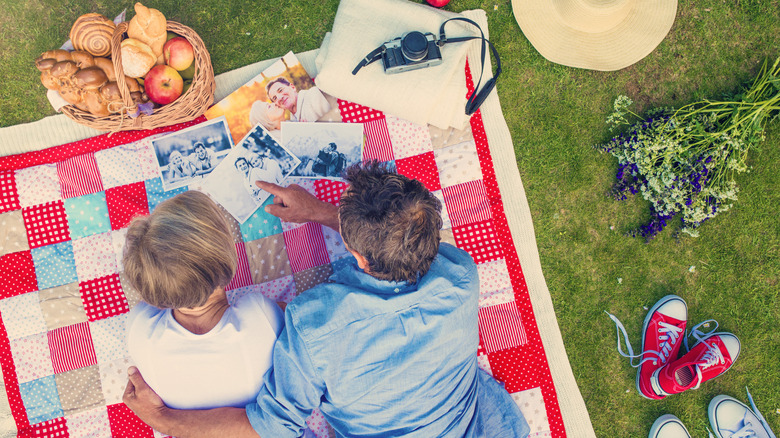
Many kinds of fabric scraps can be sewn together to form a picnic blanket, but towels are some of the best because they're easy to clean and quite absorbent should you happen to encounter dewy grass or spill a juice box. Take a cue from the quilting world and cut towels into squares that you can make into a checkerboard of sorts. You can also cut out rectangles that fit together like puzzle pieces, forming rows of consistent heights. Or, stitch together a few large towels for a different look and a faster process.
Make pets cozier than ever

There's a reason many pets like to curl up in laundry baskets filled with warm towels. They're probably the coziest spots in the entire house. Help a new kitten get acclimated to your home or show a beloved old dog what a good boy he is by lining pet beds, carriers, and crates with bath towels. Out-of-commission beach towels also make good protective pads for sofa seats you'd like to shield from fur and claws. Plus, keep a few extra towels on hand for drying pups' paws after they go for walks on wet days.
Make eco-friendly heads for a Swiffer mop

Try a money-saving mop hack with your old towels instead of tossing them. If you have a Swiffer mop, you can swap the disposable cleaning pads for reusable, eco-friendly towel pieces. Grab a large towel and cut out a section that's about 11 inches long and 10 inches wide, which should fit standard Swiffer models. Or, measure your Swiffer to further customize the size. Add self-adhesive pieces of Velcro to your mop to make attaching a variety of fabrics as easy as possible, or simply use rubber bands to secure your towel pieces.
Repurpose as reusable, non-toxic dryer sheets
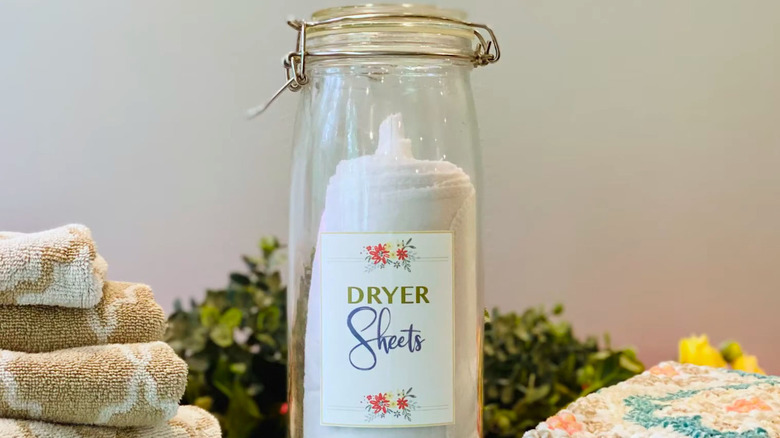
Pair terrycloth towels with flannel fabric, add a few common household ingredients, and voila! You've got dryer sheets you can use again and again. Cut retired towels and an old flannel sheet into squares with 5-inch sides. Attach each towel square to a flannel square by sewing around the perimeter, and then sew diagonal lines between the corners to keep the sheets from filling with air. When these sewn-together squares aren't tumbling through your dryer, keep them in a jar filled with equal parts vinegar and water, plus a few drops of essential oil.
Protect plants from frost
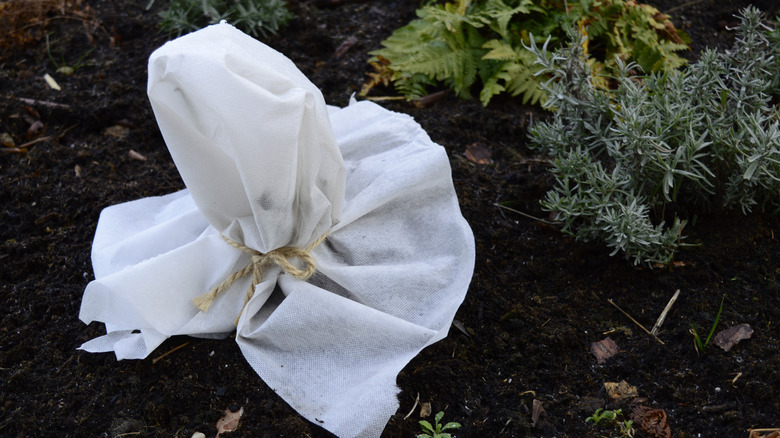
There are lots of household items you can repurpose in your garden, and towels are no exception. If you don't have frost blankets on hand for outdoor plants that dislike icy conditions, grab a stack of towels. The layer of fabric that towels provide keeps some heat from the ground near foliage and other important plant parts, which discourages frost from taking hold. Make sure the towels you're using don't touch the leaves and stems of the plants, though. If necessary, use stakes, outdoor furniture, or chicken wire to keep the fabric a safe distance away.
Put together a plant irrigation system
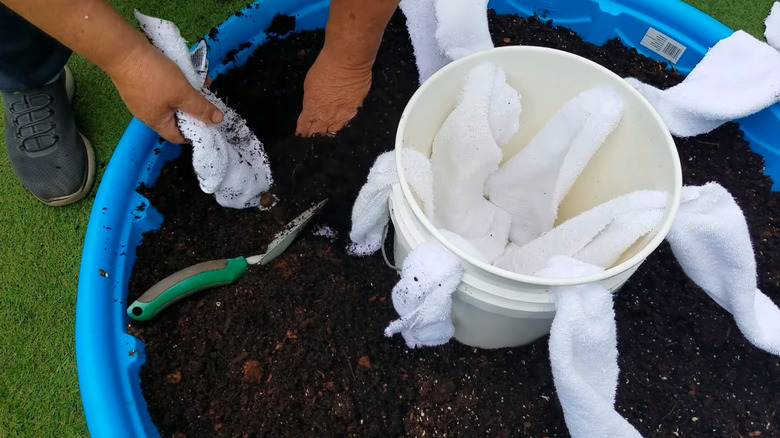
Have old, stained bath towels or absorbent hand towels? Save a few for your raised garden bed, where they can join a simple irrigation system. Cut old cotton towels into 4-inch-long strips and thread them through holes you've added to a 5-gallon bucket. Place the bucket in your garden, fill it with water, and wet the strips. Then, extend the strips in various directions like spider legs and cover them with soil. Plant roots will grow toward them in their quest for hydration. Refill the bucket as needed to keep the capillary action going.
Make a washable kneeling pad for gardening
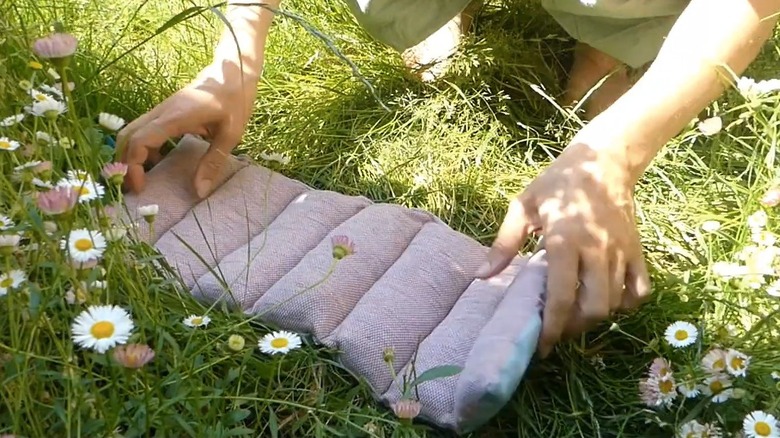
Make weeding more comfortable by fashioning a garden kneeling pad from old towels. Any fabric that's easy to wash will suffice for this project, but towels work particularly well because they provide plenty of cushioning and a soft texture. Use a process similar to the one for making a pot holder, but aim for a rectangular shape instead. If you'd like to repurpose small fabric scraps instead of whole towels for the filling, consider using your sewing machine's topstitch function to add channels. Then, stuff the channels with the textile bits you've collected.
Create ties for tall plant stems
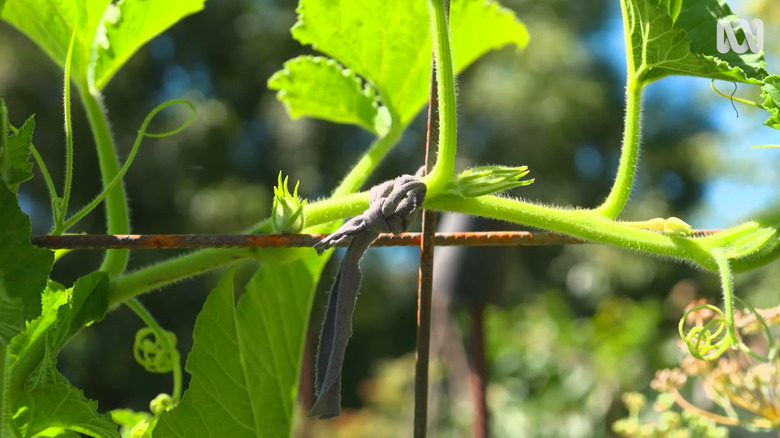
Plants with tall, skinny stems and tender vines often need some extra support to prevent them from flopping over or even breaking under the weight of their fruit and flowers. Though there are plenty of beautiful garden trellises you can DIY to keep vines happy and healthy, a stake-and-tie approach is often best for sunflowers, dahlias, and other long-stemmed flowers with heavy blossoms. Jute twine is sufficient for these ties, but foot-long towel strips are a gentler option. Their material is softer, and you can cut them wider than a typical piece of twine.