

11 Flowers To Start Growing In November For A Burst Of Colorful Winter Blooms
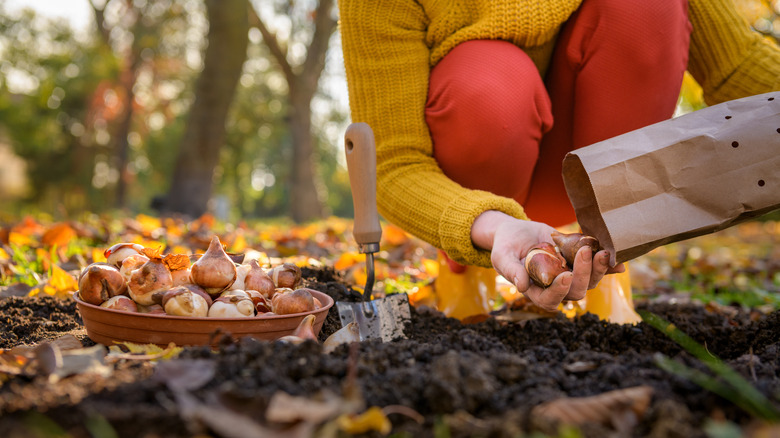
When it comes to planting flowers, we're mainly concerned with what will go into the ground for spring. After all, the spring season has a lot going for it. The weather is warmer, the ground is softer, and there's a lot more sunshine to go around. So, you might be surprised to find out that you can actually start growing certain types of flowers as late as November. Despite being on the cusp of winter, November is the perfect time of year to plant a wide variety of flowers that will guarantee you some bursts of color in the gray, waning days of late winter.
Depending on where you live, November can be either mild or cold. However, the ground doesn't tend to truly freeze until much later, which means you have time to plant some last minute flowers before it is too late. The temperature of the soil at this time is key, because it is cold enough to ensure that whatever you plant does not decide to bloom too early, but not so cold as to kill it during a freeze.
While some of the flowers on this list will bloom as early as February, they are not exceptionally hardy ones that can withstand consistently freezing temperatures. Instead, think of the following 13 flowers as ones that will usher in the arrival of spring, adding small dollops of color onto an otherwise bleak landscape.
Hellebores
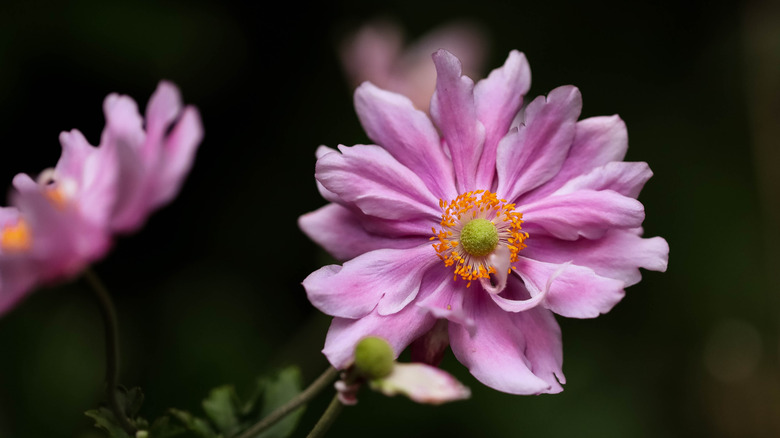
Hellebores (Helleborus spp.) are perennial flowers that prefer to be sown into the ground when the weather is cooler, meaning November is the perfect month for planting them. Often referred to as the Lenten Rose owing to their propensity to bloom alongside the Christian season of Lent, hellebores will bloom in February and last well into May. They come in a wide variety of colors, including some beautiful mottled pinks and purples, and are hardy between USDA zones 5 and 8. If you're lucky, you might even see some bloom on Christmas.
Tulips
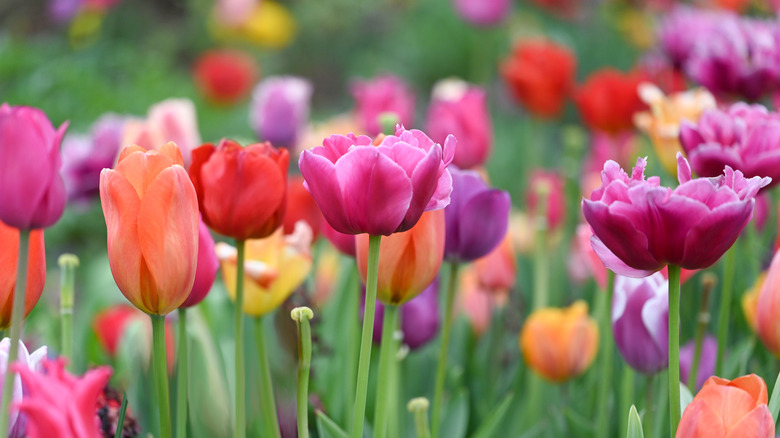
While most gardeners will recommend that you plant tulips (Tulipa spp.) in September and October, you can get away with planting them in November. Because the soil temps in November hovers around 55 degrees Fahrenheit in some areas, this is the perfect time for the tulip bulbs to establish their roots before stratification during the winter. Hardy between zones 3 and 8, you can expect to see beautiful yellows, oranges, reds, purples, and pinks emerge as early as March (which is technically still winter), though that largely depends on the variety you plant.
Pansies
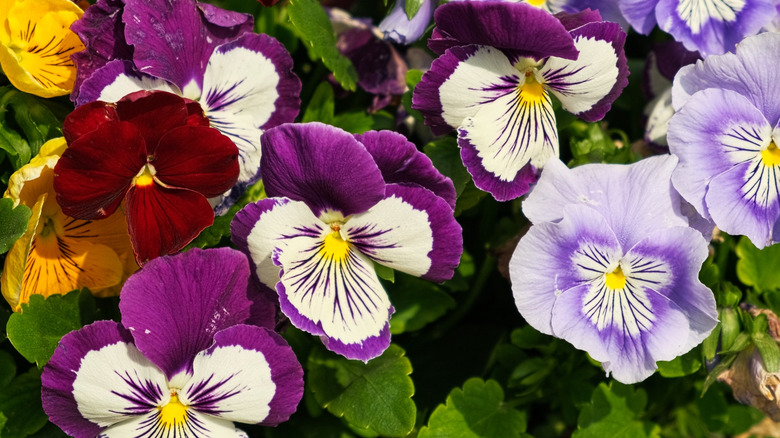
Despite the fact that they don't stick around very long, pansies (Viola x wittrockiana) are still worthwhile to plant in November. They can appear at numerous different times of the year, including winter, spring, and fall. Their vibrant colors can brighten up a drab winter scene, providing you with a taste of the promise of spring. While less hardy than some of the other flowers on this list, preferring the slightly warmer conditions of zones 6 to 10, pansies will still deliver biennial blooms and are an excellent option for those seeking ground cover.
Winter Jasmine
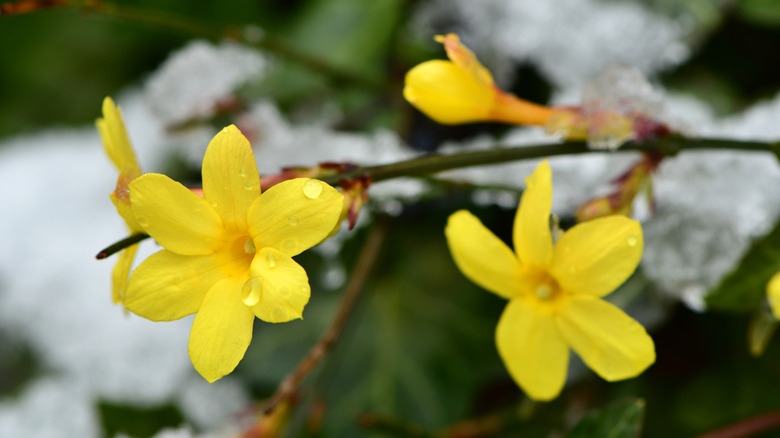
Known for its elegant yellow blossoms, winter jasmine (Jasminum nudiflorum) is one of the most strikingly beautiful perennials that you can guarantee will bring the goods in winter. These climbing plants will grow quickly, even when planted in November. They don't mind the cooler weather typical of hardiness zones 5 and 6, but it will also tolerate warmer temps up to zone 9. And with cold hardiness down to -10 degrees Fahrenheit, you likely won't have to worry about these flowers freezing on you over winter.
Primrose
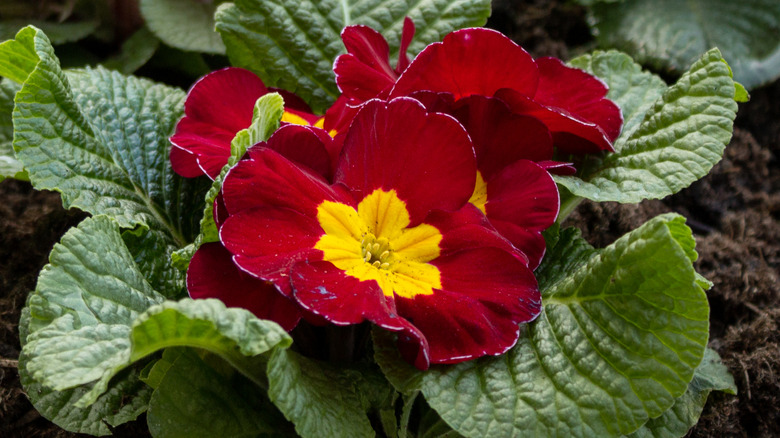
Many varieties of primrose (Primula vulgaris) can be found throughout the wooded wild, shining their shades of red, blue, or yellow through thick green foliage. As far as planting goes, you can plant these in November before the ground freezes. However, you're really only guaranteed some late winter blooms with primroses if you live in the milder zones 7 and 8. If you live in the lower end of their hardiness zones, i.e. 6 down to 3, expect them to show up in early or mid-spring, depending on how cold things get.
Snapdragons
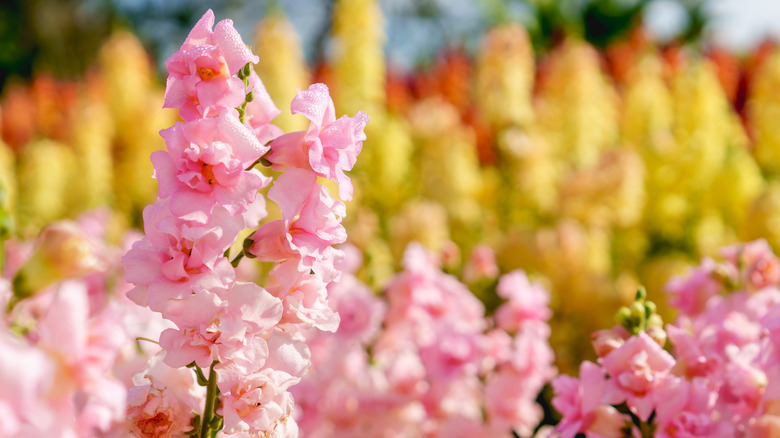
The main reasoning behind planting flowers in the wintertime is to allow them to form strong roots over the winter. This will provide them with the necessary energy to bloom earlier in the season and provide you with some end-of-winter color. Such is the case with snapdragons (Antirrhinum spp.), which grow in tall stalks with trumpet-shaped blooms that come in pinks, yellows, and oranges. It's worth noting, however, that like primrose, snapdragons really only prefer the warmer climate zones of 7 to 11 for early blooming.
Cyclamen
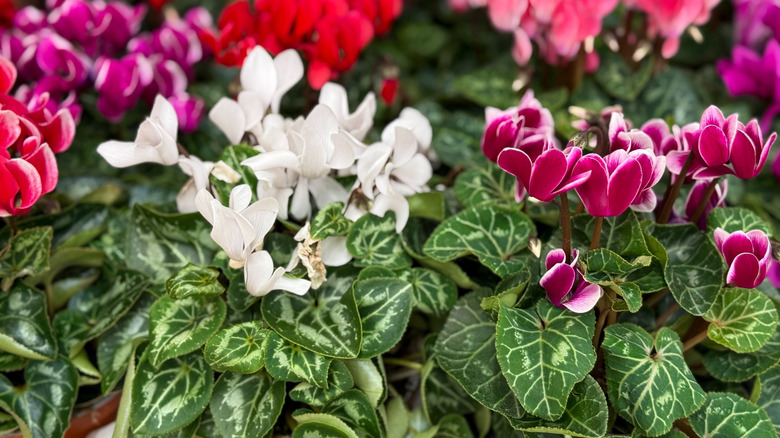
Cyclamen (Cyclamen spp.) is a species of flower that blooms in groups of fragrant purple, pink, red, and white flowers. You can plant these in pots or in the ground during November and expect some blooms to come by the time Christmas rolls around, provided you live in a more mild climate. In general, these flowers, which grow in zones 4 to 11, depending on the variety, will bloom in the late winter or very early in the spring. Still, they are among the more cold-hardy plants on this list.
Daffodils
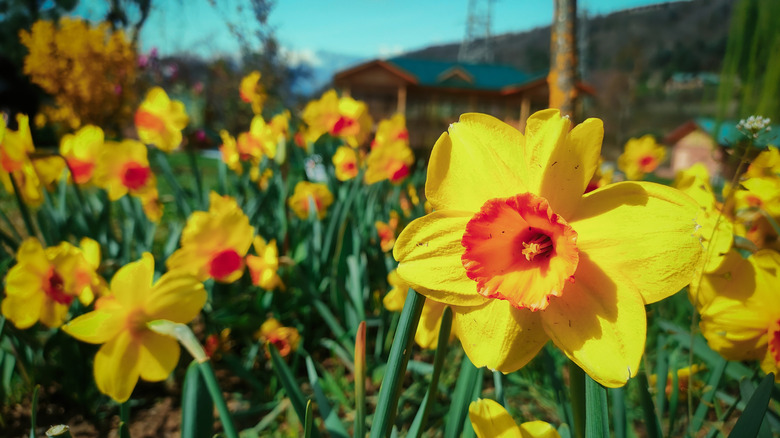
Though it is technically the end of the optimal planting window for bulb plants, you can still plant daffodils (Narcissus spp.) in November before the ground freezes. Once again, this gives them plenty of time to establish a strong root system by the time they flower in early March. Though their trademark yellow blooms only last for a little while, they make a welcome addition to any winter scene. Daffodils are hardy in zones 3 to 8; however, though they are generally cold-hardy, their flowers will be damaged if temps drop below 25 degrees Fahrenheit.
Hyacinth
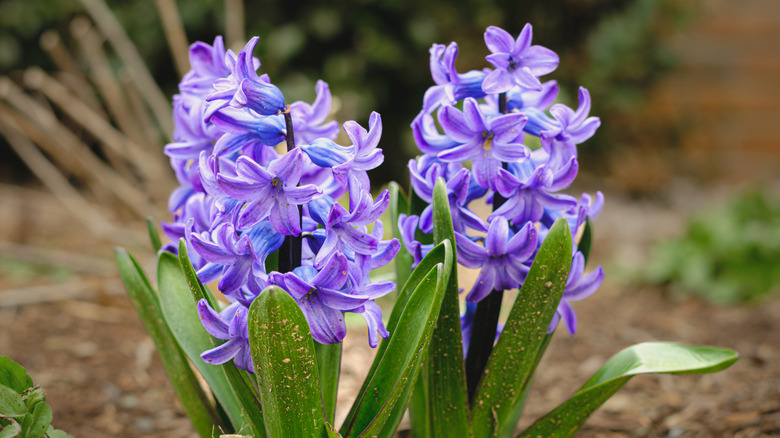
Whether you are sowing them directly into the ground or are trying your hand at container gardening, you can rest assured that hyacinths (Hyacinthus spp.) will grow back in colorful bundles yv cear after year. The secret is to ensure they have at least 6 to 10 weeks where the planted bulb is at or below 40 degrees Fahrenheit. This is necessary to ensure spring blooms, which typically happen in March in zones 4 to 8. You can get hyacinths to bloom earlier in the winter if you bring them indoors after stratification.
Crocus
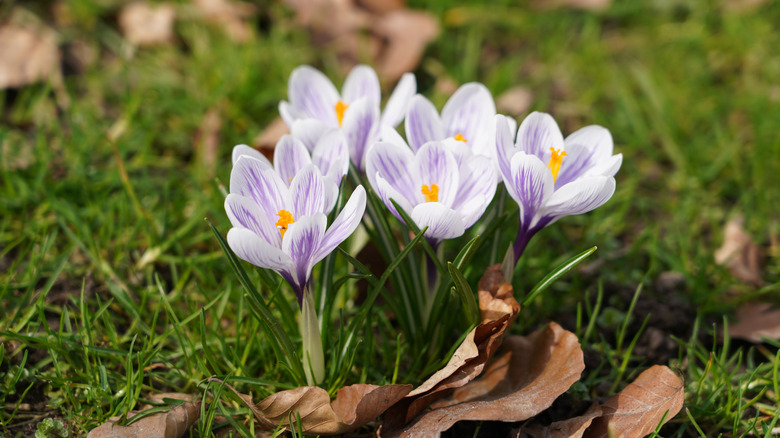
There is no clearer sign that the colds of winter will soon be behind us than a beautiful purple crocus (Crocus spp.) popping up through the snow. These tiny flowers add a lot of drama to the virgin landscape of late winter. Hardy across climate zones 3 to 8, crocuses can be planted in clusters in areas that you know will get good sun. Plant them in November before the ground is frozen so that they have plenty of time to overwinter and arrive come March.
Snowdrop
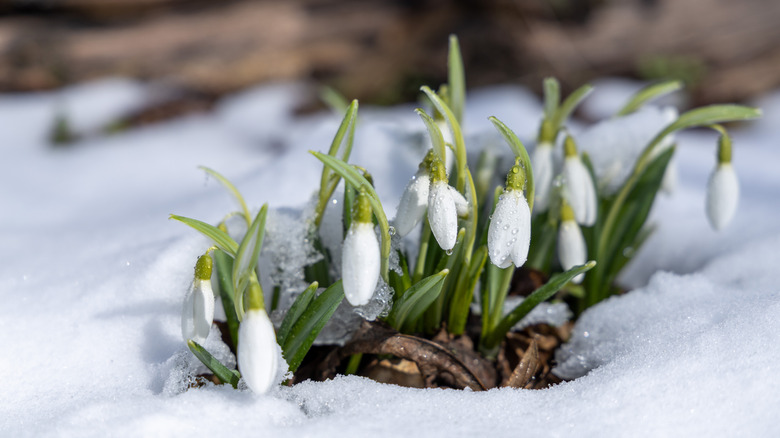
Though they appear to be extremely delicate, the fact of the matter is that snowdrop (Galanthus spp.) flowers, with their bell-shaped blooms, are tougher than you think. Able to grow directly out of thin blankets of snow, snowdrop flowers are hardy enough to winter down to zone 2. They are less successful in warmer zones, as they need several weeks of cold temps in order to bloom properly. Plant these early in November for your best chance at early spring or late winter blooms.