

Keep Spiders From Making Your Home Their Winter Retreat With One Simple Fix

To keep spiders outside this winter, you should find any entry points to your home and seal them. While they are undoubtedly important for the ecosystem, most of us agree that spiders do not belong inside living spaces. If you find spiders inside your house, aside from the factor of them being a little scary, you are at a higher risk of being bitten, which can cause various levels of damage depending on whether or not your unwanted guests are venomous. In addition to the higher risk of spider bites, if you find spiders, it means you likely have other pests in your home as well.
If you are looking to get rid of spiders, start by trying to find where and why they are getting into your home. The most common reasons spiders want inside your home is for warmth from the outside and to find food, which typically aligns with the change in temperature outside. When it starts to get cold, spiders will seek entry to your home by any means necessary, starting by finding all the cracks and crevices they can fit through. Spiders will enter through gaps under doors, cracks in your foundation, broken screens, improperly sealed windows and doors, and crevices around utilities. Spiders can also be carried in with plants you're transferring indoors, but if you are bringing in beautiful plants that double as natural spider repellents, you shouldn't have that issue.
Identifying and sealing spider entry points
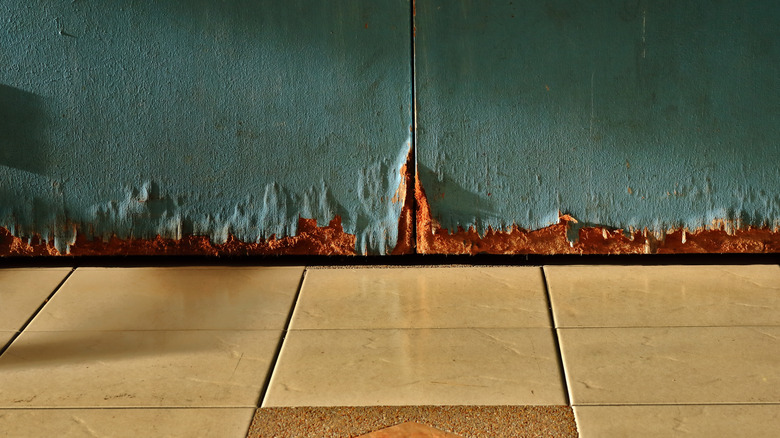
To be sure whether spiders are using an entry point, you can use light and tape tests. Use a strong, directed light on a location you are suspicious of to try and observe any movement, as spiders will be attracted to the light. Do this repeatedly to be sure whether or not spiders are present. To complete the tape test, tape over a suspected area, and then later inspect the tape for signs of spiders, such as webs or small insects.
Once you have found the breaches and any other potential spaces they might enter, begin sealing them. If they are entering under doors, make sure you have a door sweep. If your screens are torn, either repair or replace them to ensure the spiders don't have a way in. Fill any gaps near your utility appliances with foam, caulk, or soft cement. Also, regularly ensure there are no gaps in your exhaust fan and vents and seal them when you find them.
Keeping spiders out of your home and when to call an exterminator
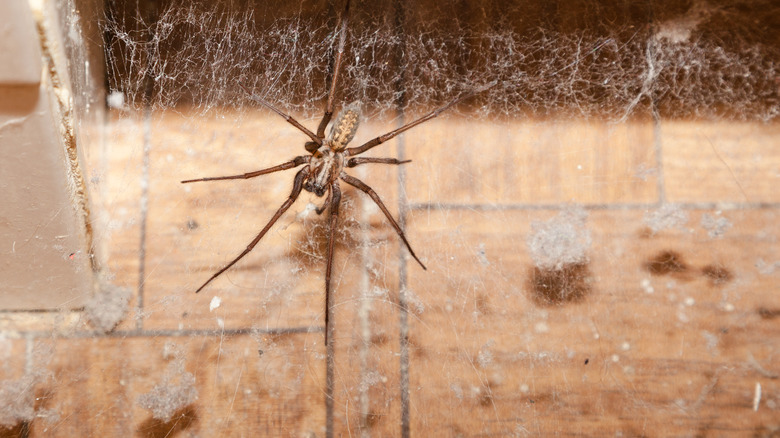
Once they are inside your home, spiders will further seek hiding spaces. To find some of the most common spiders you'll find lurking in and around your home, look in storage areas and behind furniture for signs of the eight-legged visitors. Spiders like to reside in dusty, darker areas where they will remain relatively unbothered, so search under and behind all your furniture and inside boxes for egg sacs, webs, or spiders themselves.
It's also key to clean regularly to find spiders and prevent dusty spots from developing where they can hide. Use a vacuum to remove any webs, spiders, or egg sacs you find. In addition to cleaning, you should also make sure you other insects in your home under control to remove spiders' food sources. Simply by ensuring garbage doesn't pile up and reducing water usage, you will begin to reduce insects in your home. You should also make sure storage bins are properly sealed to prevent insects from making their way in.
If you find simply too many spiders and webs in your home, it may be time to call an exterminator. Additionally, if you spot any sort of venomous species, such as a black widow or brown recluse, you should call an exterminator, as those could cause serious harm.