

5 Common Things To Avoid Cleaning With Vinegar At All Costs
Vinegar is a super cleaning solution that is versatile, inexpensive, and safe for kids and pets. But you need to know how to use vinegar as a cleaning agent. The reason it is an effective cleaner is that it contains acetic acid. Mix vinegar with water, and you have an effective, homemade cleaning solution that is non-toxic and yet effective against bacteria. It's safer for the environment than many commercial cleaners, but that is not to say that it is harmless on all surfaces. The same acidic nature that makes it an effective cleaner can harm some household objects. Here we will list five common things you'll find around your home that you should absolutely not use vinegar to clean.
To start out our list, you should never use vinegar on any waxed surfaces, especially waxed furniture. (More on raw wood and finished wood below.) The vinegar will break down the wax, causing it to become cloudy, obscuring the surface below the wax. The vinegar will also break down the protective qualities of the wax. Follow along for more surfaces that you should keep away from vinegar.
Natural stone
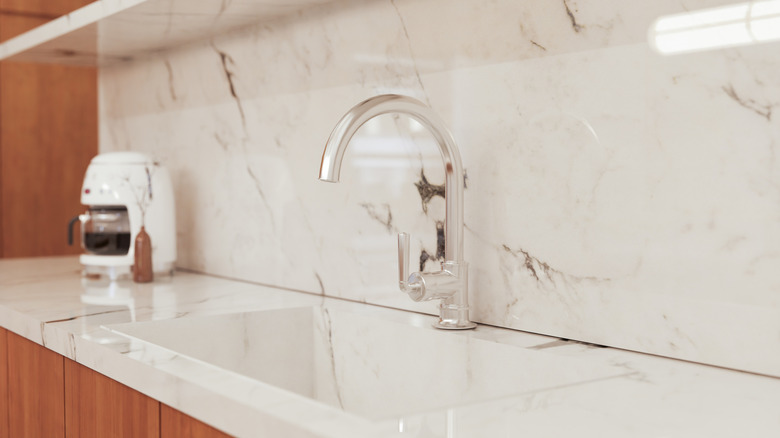
You'll find natural stone being used in many ways in our homes. Countertops are a prime example, but stone is used in flooring and floor tile, tabletops, stair treads, serving trays, windowsills, and more. It's easy to see why a homeowner would not worry about using a mild cleaner like vinegar on something as durable as stone. It's hard to even come up with something in your home more sturdy than stone. But again, it is simple chemistry that causes the problem. Marble, limestone and to a lesser degree, granite all have a significant amount of calcium in their makeup. Acid breaks down calcium which is a base (alkaline) substance. Using vinegar on limestone and marble can damage the stone through what is called etching, where the polished surface of the stone will become rough and dull-looking. Granite used in the home (especially countertops) is protected by a sealer. Vinegar breaks down that sealer, degrading the surface. Further, some types of granite also have calcium in their structure, though not all kinds do. Soapstone seems to be less vulnerable to vinegar, but many countertop manufacturers recommend avoiding its use on soapstone as well.
Wood surfaces: finished and unfinished
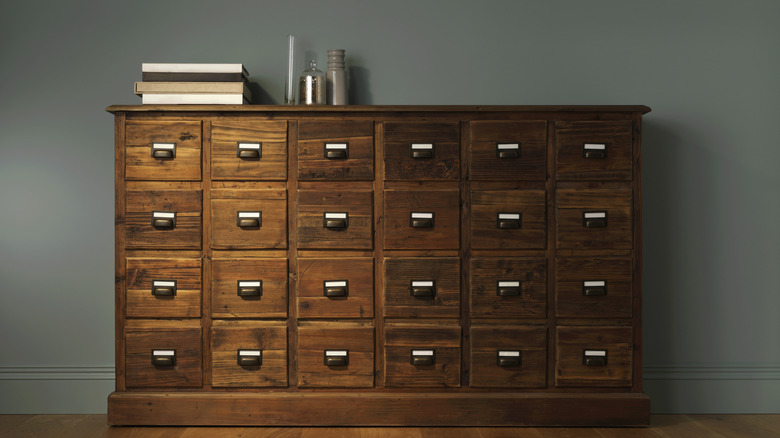
Unfinished wood is more porous (not sealed) and can absorb vinegar. This can do a few things. First, it will retain the vinegar smell for an extended period of time. While not harmful, the odor is unpleasant to many people. Second, if unfinished wood is exposed to liquid (with or without vinegar involved), because of its hygroscopic nature, the moisture can lead to distortion in the wood. Sometimes called warping. Suddenly, a door does not close or a platter will tip back and forth as a result of that warping.
Using a vinegar cleaning solution on finished wood carries risks, too. Yes, some wood finishes such as polyurethane are so durable that mild table vinegar will not be a problem at all. The same is true for most painted wood. But classic furniture that may have shellac, tung oil, or spirit varnish as its finish will absolutely be vulnerable to vinegar. You won't find an expert woodworker who recommends using vinegar on wooden furniture that has a clear finish. Instead, use a mild soap and clear water.
Cast iron cookware

A well-seasoned cast iron pan is a culinary treasure. Once a person has used one such pan, they are struck by what they have been missing in the kitchen experience. This can be confusing to the uninitiated: Doesn't iron start rusting in no time at all? The secret is, of course, the "seasoning" of your cast iron cookware. Without that it would indeed be susceptible to rust in a big way. By heating fats and oils in a cast iron pan they will be converted, polymerized in fact, into a protective non-stick surface. It stops rust and makes it a pleasure to cook in. The acidic acid in vinegar can strip away that protective layer thus removing it's non-stick character and allowing the cast iron to rust.
In a somewhat similar situation, cleaning inexpensive stainless steel countertop appliances with vinegar can create similar negative results. The stainless steel finish used in these appliances is often of the lowest quality. The acid in vinegar can impair that finish and allow rusting to begin. It's best to avoid that.
Cracked or unsealed tile grout
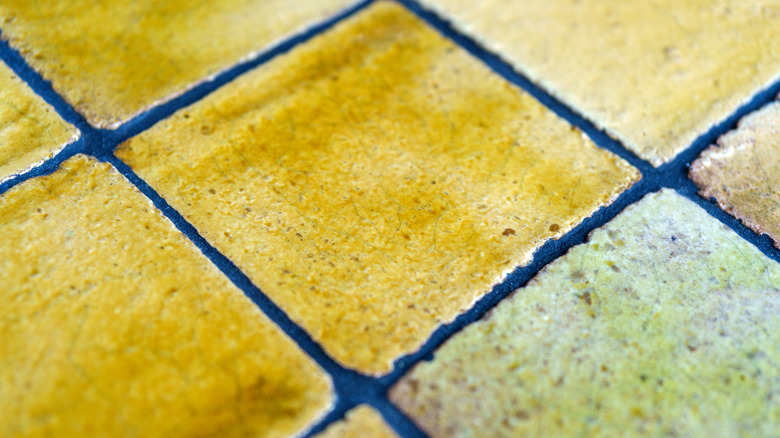
Glazed ceramic tiles are durable, easy to clean, and pretty much impervious to chemicals. (They protected the Space Shuttle for goodness sake!) The grout between the tiles, not so much. When the grout has a sealer applied, it withstands cleaning chemicals much better, but unsealed grout is susceptible to vinegar's acidic qualities. The grout can begin to crumble from the vinegar. If you wish to clean terra cotta tile with vinegar it is essential that you dilute it in water to avoid harming the tiles.
Finally, let's provide a bit of general guidance for using vinegar. Despite the recommendation of uncounted articles and videos on the Internet, do not mix vinegar and baking soda trying to make a super cleaning solution. The chemical natures of the products, acid for vinegar, alkaline for baking soda, means they cancel each other out — making the mixture less effective than if you used either one alone. More importantly, never mix vinegar with chlorine bleach, ammonia, or hydrogen peroxide. The resultant gas and acid mixture is dangerous and harmful.