

12 Things To Avoid Cleaning With Windex At All Costs
We may receive a commission on purchases made from links.
Windex is arguably one of the most well-known and ubiquitous cleaning products out there. It was the first successful commercial glass cleaning product in the United States, and it contains a blend of ingredients, including ammonium hydroxide, ethylene glycol N-hexyl ether, and monoisopropanolamine, along with dyes, fragrances, and wetting agents. Originally launched in 1933 as a car window cleaner, Windex has since evolved in terms of product quality and offerings. In fact, you can even find Windex in dye-free and ammonia-free formulas, as well as those designed for other surfaces besides of glass and mirrors. While some people regard Windex glass cleaner as a multi-purpose product, this is not the case at all. Before you spray Windex on multiple surfaces, you should be aware of some of the surfaces that original Windex glass cleaner should never be used on.
It's also important to note that "Windex" refers to both the product and the brand. While the company has started offering multiple products in recent years outside of its original glass-cleaner, it's common to see the term Windex and glass cleaner used interchangeably. For the purposes of this roundup, we are referring to the original ammonia-containing glass-cleaning product that people are most familiar with, while also noting that the company does offer some products tailored to certain surfaces outside of glass and mirrors.
Windex glass cleaner can ruin your smartphone

By now you've probably heard how smartphones are some of the germiest items around, and they can carry harmful bacteria and viruses that can make you sick. As such, you've probably considered how to disinfect a phone to keep yourself well. These devices are also prone to smudges and fingerprints on their screens due to frequent use throughout the day. It's a good idea to keep your phone clean, and experts even recommend doing so once a day during flu and cold season. Traditional Windex is not considered safe for smartphones, though. Not only can the cleaner damage the oleophobic coating on the screen, but it might ruin your phone's internal components, too.
While you shouldn't use Windex glass cleaner on smartphones, the brand does make electronics-specific wipes. Windex Electronic Wipes are designed to safely remove smudges, grime, and fingerprints from your devices without damaging them. Alternatively, you can simply use a damp (not wet) cloth for occasional messes on your screen.
Keep Windex glass cleaner away from your computers and tablets
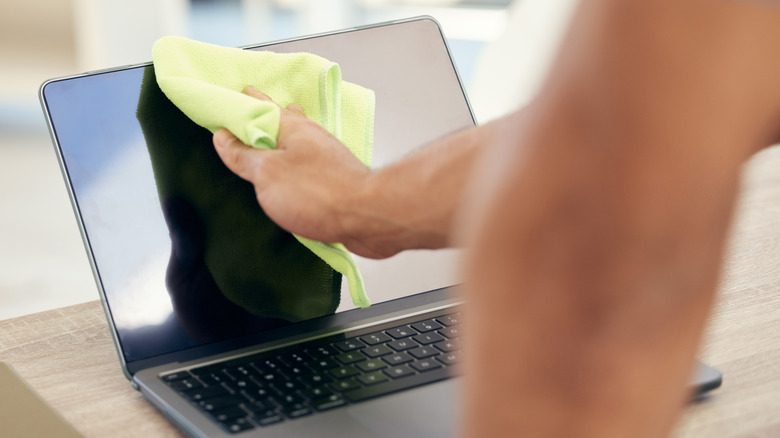
Windex glass cleaner can also damage computers and tablets. Damages to protective screen coatings can occur to computers and tablets just like they can with smartphones. When you're dealing with a laptop or desktop computer, though, there are other components that may succumb to ammonia damage from glass cleaners like Windex as well. These can include keyboards, USB ports, and electrical cords, just to name a few. Needless to say, damaging your computer or tablet with Windex or any other household cleaner can become a costly repair that just isn't worth the risk.
Instead of Windex, you can keep these electronic items clean by wiping them down with a dry microfiber cloth, or one that is dampened with a small amount of distilled water. For the best results, Hewlett-Packard recommends cleaning your monitors in this manner at least every 1 to 2 weeks.
Televisions are not strong enough to withstand Windex glass cleaner damages
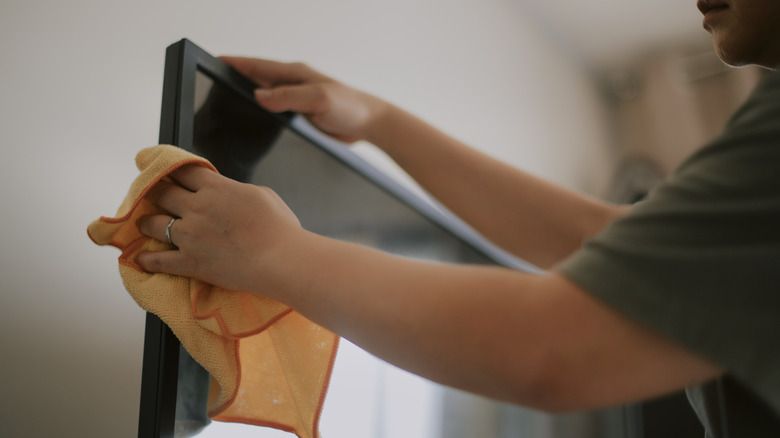
Aside from smartphones and computer devices, Windex glass cleaners are not suitable for televisions either. First, there's the risk of screen damages to consider, which any ammonia-based products can cause. On top of this, Windex — and any other sprayed liquids for that matter — carry the risk of electric shock when you're trying to apply such solutions to plug-in electronics. Considering the serious damage and safety problems Windex can pose, you should never use these types of cleaning agents on televisions.
It turns out that television cleaning really doesn't require many special tools. In fact, your best bet is to simply use a dry microfiber cloth to remove dust and possible smudges from screens, as well as the surrounding areas such as any television stands you might have. For your safety, make sure the set is secure before trying to clean any of these components. If there are serious smudges or areas of grime on your television, consider dampening a microfiber cloth with a very small amount of distilled water to tackle these. Never wet the cloth completely, and be sure your television is unplugged before cleaning and completely dry before plugging back in.
Windex can strip your beautiful wood furniture
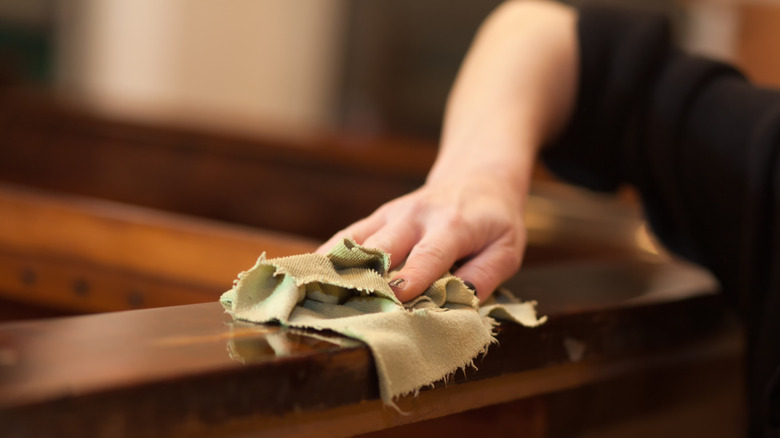
It's certainly worth exploring ways you can easily clean and refresh old wood furniture. While polishing is important in maintaining and protecting wood furniture, this process should be done in addition to regular cleanings. However, using Windex glass cleaner on wood furniture can be a costly mistake. Ammonia-based products of this kind can strip the finished surfaces from wood. Not only will this make your beautiful furniture look dull, but the lack of finish can eventually break down the structure of wood, too.
Commercial wood cleaners are certainly one option that's always available for your furniture. Before buying such products though, you should consider trying a green DIY. Castile soap and water is one natural cleaning solution that's considered gentle enough for sealed or finished wood furniture. Be sure you use a soft cloth to apply either solution, and then follow up with a separate dry cloth to remove the product completely from the surface.
Keep Windex away from leather furniture and car upholstery
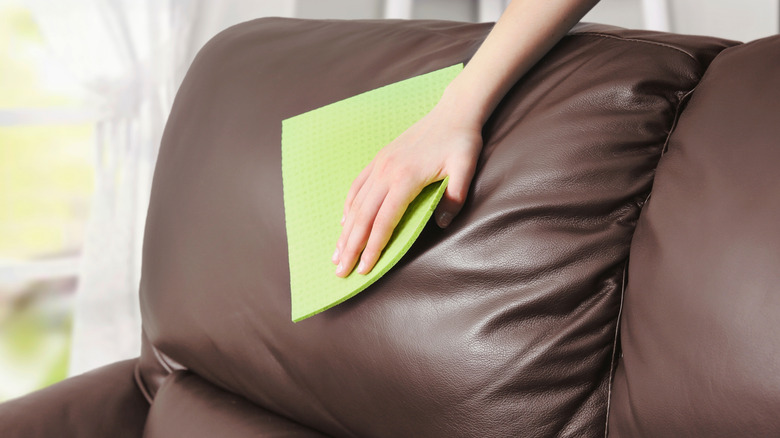
When cleaning a mirror or the inside of car windows, you might be tempted to clean up spots on leather seats. There are specific ways you can clean water spots off leather, but you might also have to deal with other types of spills from time to time. Some people might even try to use the product on leather sofas and other pieces of furniture in hopes that the glass cleaner is gentle enough for such purposes. Unfortunately, this is not the case. Glass cleaners like Windex and other ammonia-based products can damage leather by stripping its color, which can lead to unsightly spots that are especially noticeable on dark leather. Repeated use may even lead to drying and permanent cracking of the leather. In fact, leather is so delicate that experts advise against using any type of household cleaners on these surfaces whatsoever.
Regular vacuuming and the use of commercial leather cleaners are the two key components you need for cleaning leather furniture and upholstery. Aside from a leather-specific cleaning product, you may be able to clean up leather with a damp cloth and mild soap. Just be sure to consult with the manufacturer beforehand, and don't use too much water or liquid of any kind on leather as it can leave stains.
Windex is not designed for wooden kitchen cabinetry
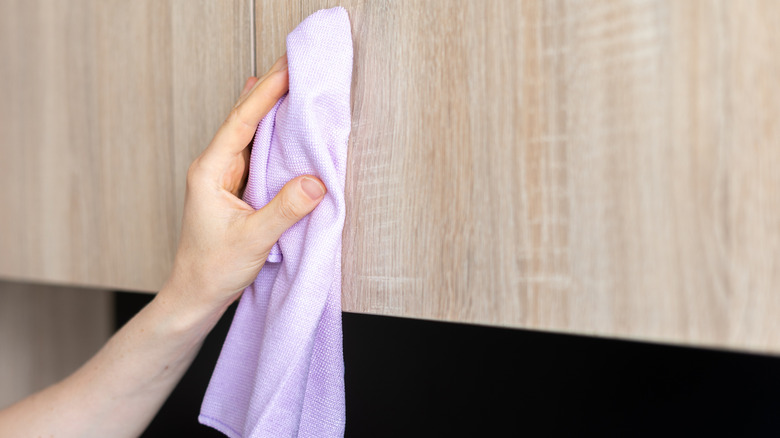
With the exception of glass on cabinetry, Windex is generally not considered safe for kitchen cabinets. If your cabinets do have glass doors, you can spray the Windex carefully so that you do not get the product on the surrounding wood. You might also spray the product on a cloth and then wipe the doors down to avoid any splashes onto the rest of the cabinets. The problem is that the glass cleaner can lead to wood discoloration and damage, especially when used repeatedly over time.
All you really need to clean kitchen cabinetry is a few soft cloths along with warm water and dish soap. Just a few drops per bowl of water should suffice. First, you use a dry cloth to remove dust and any food particles. Then take a separate cloth and dampen it (don't soak it) with warm water and a small amount of dish soap to help get rid of caked-on dirt and stains. Follow up with yet another dry cloth to thoroughly remove the soapy water solution. Work your way from the top to the bottom of each cabinet, and rinse the soapy water cloth in between each cabinet to ensure a better clean. When properly taken care of, you can help to ensure your kitchen cabinets will look timeless for years to come.
Windex is not safe for granite countertops
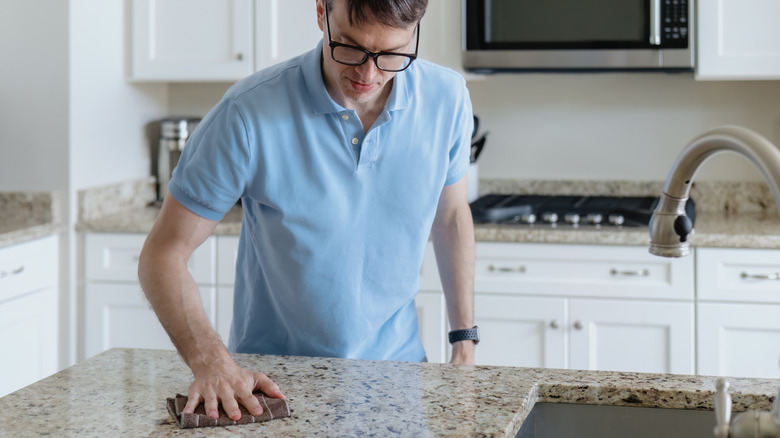
Windex is sometimes touted as a way to quickly clean up messes on countertops and make them shine. The trouble is that the glass cleaner isn't safe for all types of countertops. While you might be able to use it on laminate countertops, glass cleaners like Windex can spell trouble for stone countertops, especially granite. Some experts suggest that the cleaner is safe for sealed stone, but if your countertop is either unsealed or needs to be resealed, Windex can possibly damage the underlying stone. Glass cleaners like Windex are simply too acidic for granite, as it can dull the stone or break down the sealant. Given the expense of these types of countertops, this is definitely not worth taking the risk with Windex.
When learning how to care for granite countertops, consider using commercial products that are specifically designed for them. This is arguably the safest option, although such products are not cheap. In reality though, you really only need to wipe down granite with a damp cloth and a tiny touch of dish soap.
Stainless steel appliances can lose their luster from Windex glass cleaner
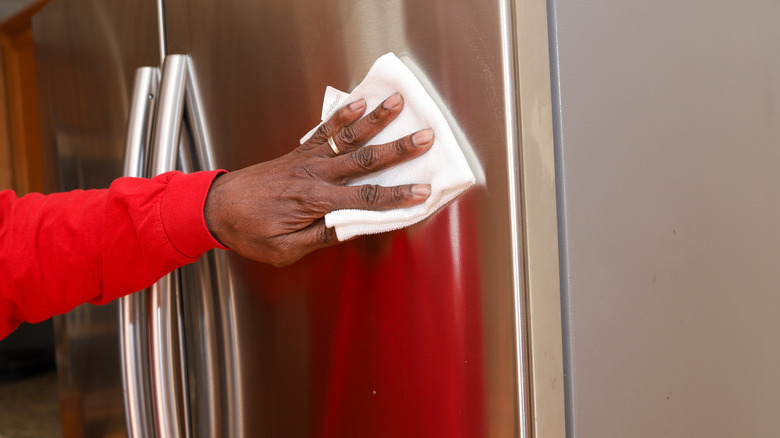
Stainless steel appliances are coveted for their aesthetic appeal in modern kitchens, though the maintenance involved has led some experts to predict these may be falling out of style. The problem isn't the appearance of the appliances, but the maintenance involved. In fact, stainless steel is notorious for showing every smudge and fingerprint, and it requires constant cleaning to maintain its shine. It's tempting to skip out on stainless steel cleaning sprays, but you should never use Windex glass cleaner in their place. Ammonia in Windex might damage stainless steel appliances over time, and it will also cause streaks and make them look less shiny, too.
Instead, you can purchase a stainless steel cleaner as well as a polisher, although these can admittedly get expensive and can create unwanted odors in your kitchen. If you want to avoid chemicals and save money, you can use dish soap and water as a gentle everyday cleaner. Some DIYers also recommend a recipe with baking soda and white vinegar can work as a mild scrub for caked-on messes, but be aware that other experts believe the vinegar may be too acidic for stainless steel and may cause corrosion. Before using any DIY recipes, be sure to check with the product manufacturer to be sure these are safe to use. No matter which type of cleaner you use, always apply it along the direction of the grain for the best results. Also, use microfiber cloths or paper towels (no abrasives) to prevent scratches on the metal.
Glass cleaners like Windex can damage glass cooktops
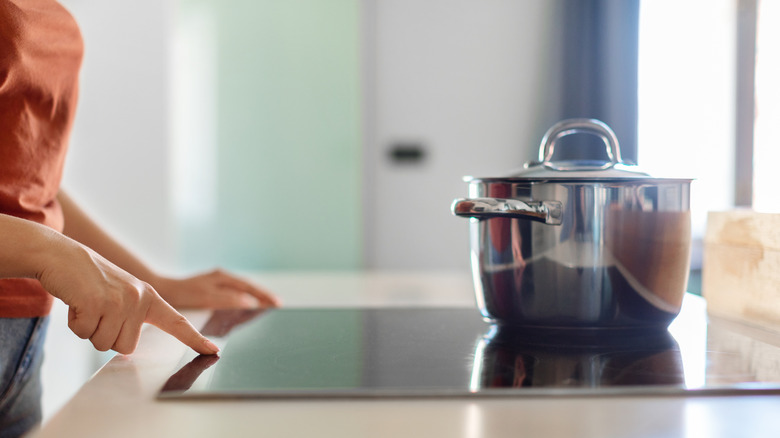
Based on the name alone, it seems like a product like Windex glass cleaner could be used on a glass cooktop. However, this is a case where names can be deceiving. It turns out that commercial glass cleaners are among the things to avoid with a glass-top stove. Doing so can cause streaks at best, and even permanent stains that could warrant a full appliance replacement. What's more, ammonia-containing products that are left to dry on to stovetops might release toxic fumes the next time you turn them on.
Stick with commercial glass cooktop cleaners for caked-on messes to prevent damage to this expensive appliance. Be sure to follow all product instructions and to remove any leftover residue before the next time you turn on your cooktop. Always use a microfiber cloth instead of a sponge for everyday cleanings, as this is less likely scratch the surface. You can also use a dry microfiber cloth to wipe it down after each use to remove any crumbs and spills.
When cleaning around the sink with Windex, skip any metal faucets

While Windex is sometimes touted as a quick way to clean various surfaces in your bathroom and kitchen, you should reconsider its use on metal faucets. Even if you have some of the best bathroom faucets in your washrooms, or a quality designer faucet in your kitchen, you must clean them in a way that will not permanently damage them. The ammonia can damage metal surfaces, including faucets constructed with these materials. Copper is especially vulnerable to damage from glass cleaners.
To get rid of dirt and grime on metal faucets, consider a simple DIY recipe of equal parts water and white vinegar instead. This is safe for most metals, though should be avoided on brass, bronze, gold, copper, and nickel, as it can dull the finish. You can place your vinegar mixture in a spray bottle for regular use. Just be sure that you follow up with clean water and a dry cloth to help remove the vinegar and its strong odors. If you're dealing with stubborn messes that won't come clean with vinegar and water alone, try making a paste with baking soda and a small amount of water. Gently work this into the stain with a soft cloth and then rinse away. You can also help keep your metal faucet clean by touching it up on a regular basis with a damp cloth. Follow up with a dry microfiber cloth to avoid scratches.
Windex is not ideal for cleaning exterior windows
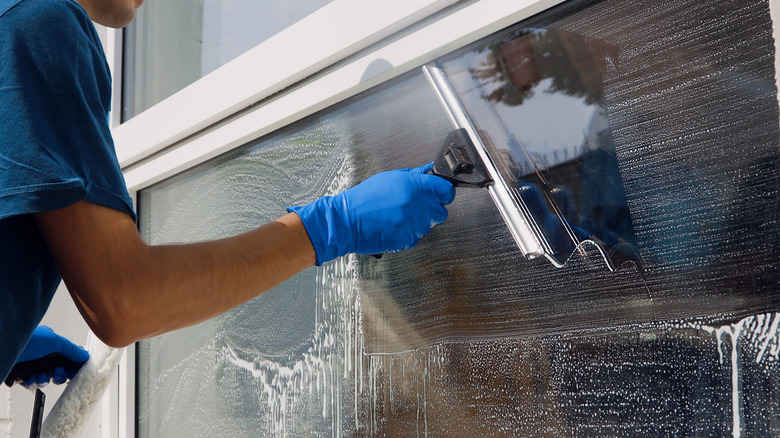
Windex got its start in the 1930s as a windshield cleaner for vehicles, and the product is still sometimes used for smaller windows of this nature. You might consider using Windex for small window smudges, but you should not use the glass cleaner for larger windows like those on the exterior of your home. Professional window companies are unlikely to use products like Windex, and neither should you. From an aesthetic perspective, Windex may leave behind streaks and residue. This risk might be greater on a large surface area like an exterior window than say, a small mirror. Not only can the product leave behind streaks on exterior windows, but you would also need to use a lot of Windex glass cleaner to cover these large areas. Exposure to large amounts of the chemical spray can become hazardous to your health.
Instead of using Windex or a commercial exterior window cleaner, consider a green recipe for this type of job. This way, you can ensure a better window cleaning experience without the risk of inhaling toxic fumes. First, combine one part white vinegar with 10 parts of water into a clean spray bottle. You can also add a few drops of a gentle dish soap such as Dawn if your windows are particularly dirty. If the scent of the white vinegar is too overwhelming for your liking, you can help off-set the smell by adding a few drops of lemon or orange essential oils.
Windex can harm pets if you use it on their beds

Some people use Windex as a way to help treat certain fabric stains and odors. In particular, dye-free versions of the glass cleaner are sometimes used to treat hard-to-clean carpet stains, and to possibly neutralize odors. To that end, you might wonder whether the product might get rid of pet stains and odors as well. While it's possible the glass cleaner might have these effects, you should never use Windex on pet beds or any other fabric-based areas your fur baby might frequent. Ammonia can be toxic to animals when ingested or inhaled, and these types of exposures to Windex may even be life-threatening depending on the amount and length of exposure.
For the sake of your pet's health, do not use Windex to help get rid of odors and stains. Instead, you can spot treat messes on pet bedding with dish soap and water, or with a pet-designed commercial cleaner such as Rocco and Roxie Stain and Odor Eliminator. Promptly addressing accidents or food-related spills from pets will also reduce the chances of lingering odors. You can also unzip the covers of your pet's bed and throw them in the washing machine for a more through clean and de-odorizing experience. Be sure to follow all label instructions on the bed before going this route to prevent ruining your fur baby's linens.