

The Top 3 Easiest Herbs To Grow In Your Kitchen For An Endless Supply Year-Round
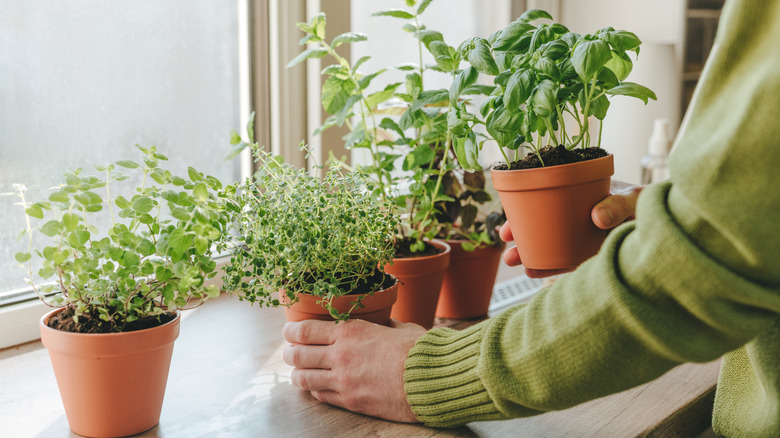
Herbs are one of the easiest ways to add a variety of flavor to foods. For thousands of years, herbs have been grown in kitchen gardens worldwide for food and medicine. Today, many people load their spice racks with dried versions. They have their place; dried herbs have a longer shelf life and are great for seasoning dishes that need to simmer a while. But fresh herbs add superior flavor when tossed into a dish right before serving. Unfortunately, fresh herbs tend to go bad quickly if they're not used right away, so the best way to ensure a steady supply is to grow your own. Not to worry! Some are so easy to grow, even for the most inexperienced gardener can do it.
Before starting an indoor herb garden, decide where it should grow. Choose a spot with plenty of natural light, such as a kitchen window. Many herbs need at least six hours of direct sunlight. Then decide whether to grow them from seeds or starter plants; it's a matter of personal preference. Also choose appropriate, well-draining containers. This can be fun, as containers can be personalized or complement décor. This simple herb garden uses Mason jars. Once planted, water the herbs whenever the soil is dry. Three of the easiest herbs to grow are basil, chives and mint.
Basil, chives, and mint are perfect herbs for budding gardeners
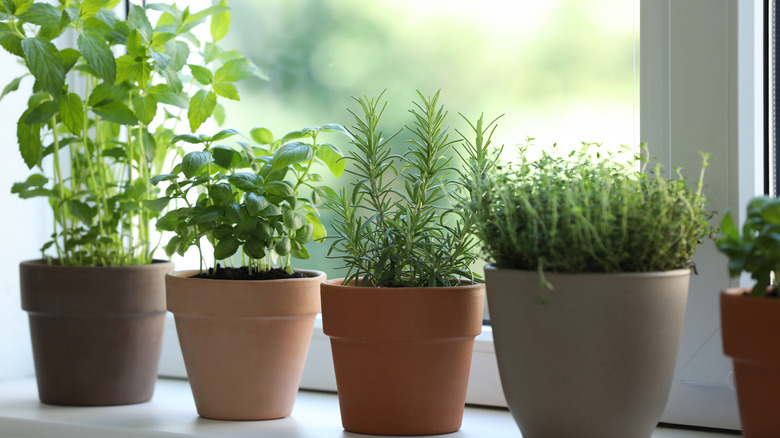
Basil is one of the hardiest herbs and easiest to grow and care for anywhere. It is a staple in many dishes and can lend freshness to everything from salad to pasta to soups. Basil has antioxidants that are believed to help reduce stress and lower blood pressure, and it grows wonderfully well in an indoor container. Place it near a window that gets plenty of direct sunlight and keep the soil moist. Mint, a close cousin to basil, has many refreshing uses and is also super easy to grow. Place it near a bright window, keep the soil moist, harvest it regularly, and it will thrive. Mint leaves can be chewed to freshen breath, make a refreshing addition to drinks, and be a delicious addition to salads. It is also believed to have medicinal properties such as calming an upset stomach.
Chives are another option for the inexperienced herb farmer. All they need is plenty of light and a pot with good drainage. To help them grow their best, use a quality potting mix made for houseplants. Chives like moisture, so water them when the soil feels dry. Chives are delicious on a baked potato, in soups, on eggs, and in salads. Herbs need regular harvesting to stay healthy, so its important to store whatever you don't use. To dry and store herbs the correct way, lay them flat to dry, gather into small bundles, and tie with twine.