

One Of The Easiest Ways To Kill Crabgrass (And Whether It's Right For You)
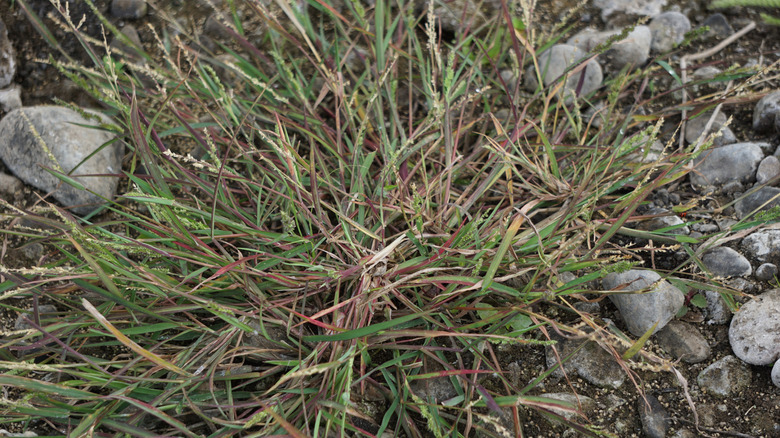
All you wanted to do was get rid of some crabgrass in your garden or lawn, and you encountered a familiar dilemma: there's a powerful chemical compound used to control a biological scourge, but its negative side effects make us question the wisdom of its use. Meanwhile, the scourge it was meant to combat has developed ways to resist the compound's miraculous powers. Such is the story of quinclorac. It's a very effective way to control crabgrass when used correctly, but you may be wondering if it's the right product to use.
Crabgrass (Digitaria spp.) is the bane of many a yard. It's highly adaptable to many different soil types and climate conditions throughout the United States. It can grow in bare spots where little else grows and survive the assault of lawnmowers. Each plant produces thousands of seeds (up to 150,000!) that can remain in your soil for three years, or sometimes longer. And cutting crabgrass back or spraying it with vinegar or some other homemade weed killer no more "kills" crabgrass than a barber kills hair. It just grows back from the roots. But there's a good reason that quinclorac, developed and tested in the 1980s, is extensively used in lawns, gardens, and in agriculture: it can selectively control broadleaf weeds and weedy grasses without damaging crops, lawns, or garden plants. But its side effects may make you think twice about using it.
The benefits of using quinclorac for crabgrass control
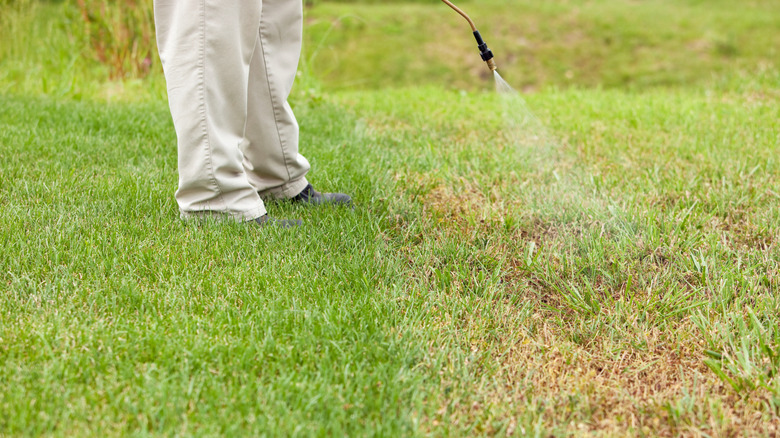
Quinclorac is most effective when it is used as post-emergent herbicide early in the growing season. It's also excellent at prohibiting seed germination and young shoot growth, so it's sometimes used to prevent weeds from emerging in the first place. If you're using it to control crabgrass already growing in your lawn, start as early as the soil is workable but before sowing grass seed, as quinclorac can interfere with the germination of those grass seeds that are identified on the product label. Beyond crabgrass, quinclorac is also used to kill clovers and dandelions without killing the grass. Just take precautions: Keep the product out of the reach of children, wear long sleeve shirts, long pants, and chemical-resistant gloves, avoid contact with skin or eyes, and avoid breathing any spray mist. Exposure can cause severe allergic reactions in some people, especially those with existing chemical sensitivities.
Crabgrass germinates in late spring, grows throughout the summer, and spreads by sending tillers out from its base. Once it's produced more than two tillers, you're too late. If you don't treat crabgrass early and allow it to reach its peak growing stage, quinclorac may not be as effective.
The downsides of using quinclorac in your lawn or garden
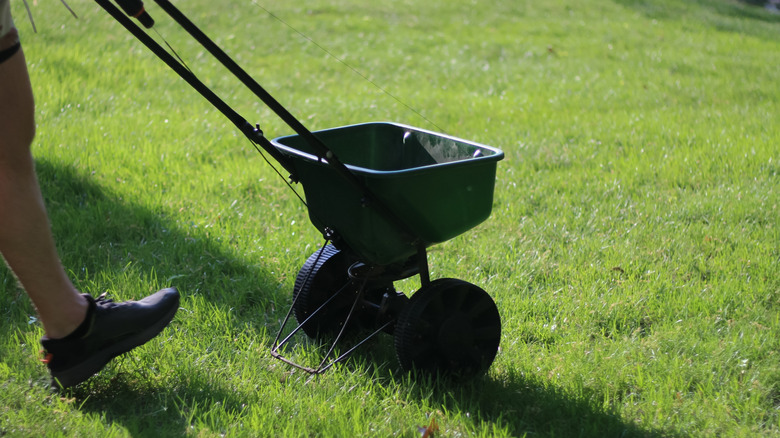
The upsides of using quinclorac are its effectiveness at killing crabgrass during its early growth stage, as well as potentially before it even emerges from the soil. However, to be effective as a pre-emergent herbicide, it has to remain potent throughout the germination period. That means it's persistent in the environment as well. Any of the herbicide that misses its target and makes its way into waterways and can persist for may days, where it can be toxic to fish, frogs, and other species. In the even longer term, it's not clear how long quinclorac will be an effective herbicide. Whether it's used as a pre- or post-emergent herbicide, overuse has led to crabgrass and other pest species such as baryardgrass and watergrass becoming increasingly resistant to quinclorac.
Safer ways exist to control crabgrass than quinclorac and other chemical herbicides. There are DIY remedies from your kitchen that you can use, but one of the best ways to get rid of crabgrass is to just pull it out by hand, roots and all, and depriving it of sunlight. Lay down three or more inches of mulch, grow large-leaf plants that shade out rivals or a healthy lawn through over-seeding and regular watering, and don't cut the grass until it reaches 3 or more inches. A healthy lawn or garden is the best defense against the invasion of crabgrass because it doesn't give it room to grow or sunshine to thrive. Quinclorac can be a go-to short-term solution, but it's worth considering if it's the best long-term solution for you, your garden, and the environment more generally.