
What Is The Difference Between Wood Stain, Varnish, And Lacquer?
Wood stain tints wood and brings out the details in the grain. Varnish and lacquer are clear coatings that protect and seal the wood, sometimes used atop stain.
Read More

Hunker uses a knowledgeable team of editors, writers, and experts to create all our content. We dive deep into the ever-evolving conversations surrounding home improvement and design, striving to deliver the most current and helpful tips, strengthened by expert takes and tutorials from our talented team.
As we cover many fields of expertise, we make it a priority to ensure every beat remains fresh and comprehensive. Additional information on our editorial process available here.
Wood stain tints wood and brings out the details in the grain. Varnish and lacquer are clear coatings that protect and seal the wood, sometimes used atop stain.
Read More
Topdressing is a lawn care process that involves spreading a soil mixture on top of your grass to improve the health of your lawn. Our guide tells you why, when, and how to topdress a lawn for better drainage and soil texture.
Read More
So many types of roses exist that it helps to come up with a plan before purchasing any. Keep plant size, ease of care and locations in mind when choosing. Learn more about the 11 types of roses and how to best choose your plant.
Read More
Not all insects are pests. Beneficial insects either help pollinate plants or they prey on plant pests. Some even do both at different stages of their life. Find out which bugs you actually want roaming around in your garden.
Read More
The best trees for any landscape vary depending on the function of each tree. For instance, dogwoods add beauty, while sugar maples provide shade and beauty.
Read More
Soil preparation typically means mixing in some organic matter to improve growing conditions. Before adding compost or other matter, test for lead and test the pH. Learn more about how to determine soil composition and amend it for your garden.
Read More
Container gardening offers the chance to grow things even when a garden plot isn't an option — but there are a few things to keep in mind before you begin. Here's a guide on what not to do when container gardening.
Read More
Overseed a lawn to help it look more lush and full and to cut down on chances of weed growth as well. Overseeding should be done in fall or spring after mowing.
Read More
Creating vermicompost, or compost made with the help of worms, is a great way to cut down on trash while also making something useful for your garden plants. Learn how to get the process started.
Read More
When it comes to landscape mulch, buy it by the bag or in bulk, whichever better suits your project needs. As for using mulch, keep things simple: Apply 2 inches or so in spring, adding more in fall as needed. To discourage rot and insect issues, don't mound mulch against tree trunks.
Read More
Refresh dried-out wicker by first cleaning it with a vacuum cleaner and then a damp cloth. Once dry, wipe it with a linseed oil mixture or repaint the piece.
Read More
Repair a burn hole in a couch by first removing any burned or loose fibers around the hole. Make a patch from extra fabric or use a leather and vinyl filler.
Read More
Make sure a burn pile is allowed in your area in the time frame you'd like. Some areas have rolling fire bans due to risk. Clear the area before making a fire.
Read More
Kill moss with equal parts water and vinegar in a spray bottle. Spray only the moss, as vinegar could kill other plants. Use pure vinegar on stubborn moss.
Read More
Lay sod by first removing debris from the soil. Run a rototiller over the yard, mix some compost into the soil and then level the yard with the back of a bow rake.
Read More
Remove double-sided tape from a wall by first removing any object stuck to it. Use dental floss to slice the item from the wall. Then wipe the spot with alcohol.
Read More
Remove 3M adhesive tape by pulling from one end slowly, loosening the adhesive's grip. Remove residue with a piece of painter's tape or an adhesive remover.
Read More
Troubleshoot the InSinkErator Badger 5 garbage disposal by checking for leaks or by using an Allen wrench in the bottom under the sink to help loosen a jam.
Read More
Remove a broken 3M Command strip by slicing it off the wall with a taut piece of dental floss or thread moved back and forth like a saw against the wall.
Read More
Use electrical tape to insulate wiring, to repair minor electrical cord damage, or to color-code wired connections. Electrical tape resists heat and moisture.
Read More
Fix water damage on wood furniture by treating white spots with heat or by applying mayonnaise or cooking oil to the spots and letting it sit. Use vinegar to remove mildew.
Read More
Use a Bernzomatic microtorch by adjusting the flame setting to the midway point, pressing the power slider to "on," and holding a lit match below the torch tip.
Read More
The normal water pressure for a house runs from 45 to 80 psi. If the water pressure is outside that range, it may cause problems or — at the very least — annoyances.
Read More
Wood screws are made for wood, while sheet metal screws can be used in metal, hard plastics, and even wood in a pinch. Wood screws have fewer threads per inch.
Read More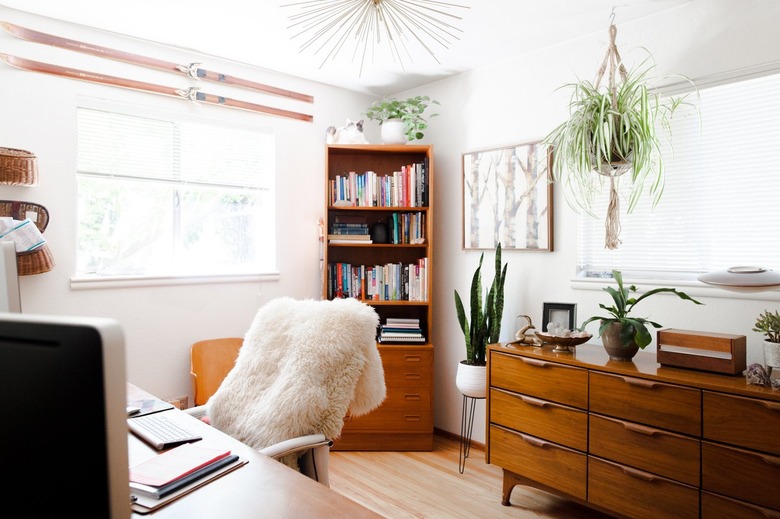
Banish musty smells from wood furniture by airing out the piece outside on a nonhumid day. Wipe it down with a vinegar solution to help remove lingering odor.
Read More
Airing out new wood furniture is the best way to remove much of the odor. This allows time for chemicals to off-gas. Baking soda or vinegar also comes in handy.
Read More
Although particleboard and fiberboard are quite similar, there are some key differences. Particleboard is a good choice when you're working with a small budget, and fiberboard is better when durability is a concern.
Read More