

Don't Let Winter End Your Basil Season: What To Do With Your Plants Now
We may receive a commission on purchases made from links.
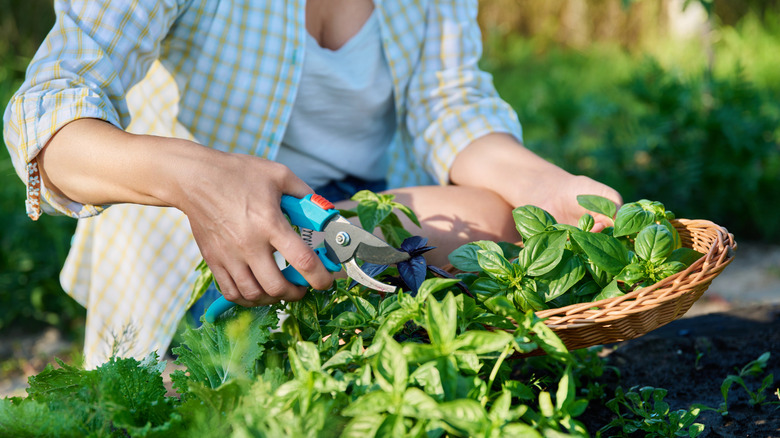
When the nights get nippy, you might think it's time to say "ciao" to your fresh basil. However, you don't have to give up on your plants just yet. Most species of basil (Ocimum spp.) are highly sensitive to frost and typically grown as annuals, but plants can also be brought indoors to extend their growing season. Existing plants can also be propagated to give next year's crop a head start if you lack the space or sunlight for them to thrive.
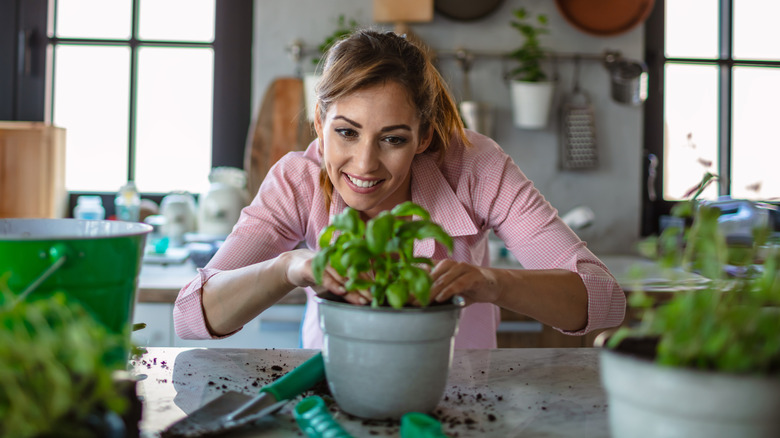
If you plan on bringing basil inside to overwinter, you'll want to transfer your basil plants indoors before outside temperatures dip below 40 degrees Fahrenheit. Most varieties will start to die off at this temperature. You can dig up your plants and transfer them to a pot or simply move potted plants indoors if you've been growing a container garden.
One of the trickiest parts of growing basil indoors during winter is compensating for the shorter days. Basil normally needs six to eight hours of bright sunlight daily, so even your sunniest windowsill may not suffice come December. If your plants struggle, it's a good idea to supplement with artificial lighting for about 10 to 12 hours per day. Full spectrum plant grow lights such as this 6000K white full spectrum light available on Amazon can often provide enough light for plants that need full sunlight. Remember to keep your plants away from drafty windows and heating vents, water when the soil starts to dry out, and pinch off any emerging flower buds to prolong leaf production.
Grow a fresh crop of basil from your existing plants
If your basil plants have already flowered, or if you don't have a good spot for them inside, then it's best to start anew with some of their younger stems. To grow basil from cuttings, snip roughly four inches off the tip of a few healthy stems from your existing plant. Prune off any lower leaves that would fall below the water line, then place the bare stems in a glass of water. Find a sunny spot for your cuttings and replace the water daily. Once you see little white roots growing out, wait for them to grow about one inch long. From there, you can either transplant your rooted cuttings into well-draining potting soil or try your hand at hydroponically growing basil plants.
One last way to keep your basil crop going is by taking seeds from your plants. Once plants bloom, they redirect their energy from leaf production to seed production, so you can harvest these for next growing season. Simply shake the dried flower heads to release the seeds, and store them in an envelope or airtight container until next spring when you are ready to plant them. Whether you move plants indoors, start new plants from leaf cuttings, or save seeds, these strategies will ensure you have plenty of fresh basil for a long time to come.