

Be Aware Of The Downsides To Inverter Generators

Generators are certainly becoming more common for a variety of situations. They could be handy during power outages at home or for machines and vehicles that warrant a portable source of backup power while on the go. Such an increase in popularity has also given way to newer models that are smaller and lighter to operate. One such option is an inverter generator, which carries a more portable reputation while also being much quieter to operate. Before settling on an inverter generator, though, there are some potential downsides you'll need to consider before passing over a conventional model. A lower-power output and higher initial costs are among some of the key drawbacks of inverter generators, but it's still the best option for certain situations.
The smaller size of an inverter generator can be appealing to anyone, especially those who might have mobility challenges and cannot easily operate a standard generator. Yet, when it comes time to power up your home with a generator, there is no one-size-fits-all option. Inverter generators are normally not the best option for single-family homes, as they do not emit as much power as their conventional counterparts. While inverter generators have a steadier, quieter operation, they are not capable of pulling the higher amount of power a standard version can.
For these reasons, inverter generators tend to be best for lower-power output situations, such as RVing, camping, boating, tailgating, and small work areas. They can also provide critical power to essential medical equipment such as small refrigerators for medications, CPAP machines, and ventilators. In terms of running household appliances, certain higher-wattage models may power a single appliance in a pinch, too. Like small conventional portable generators, inverter models are not ideal choices for providing electricity to a larger building, including a whole house.
Inverter generators are also more expensive to buy
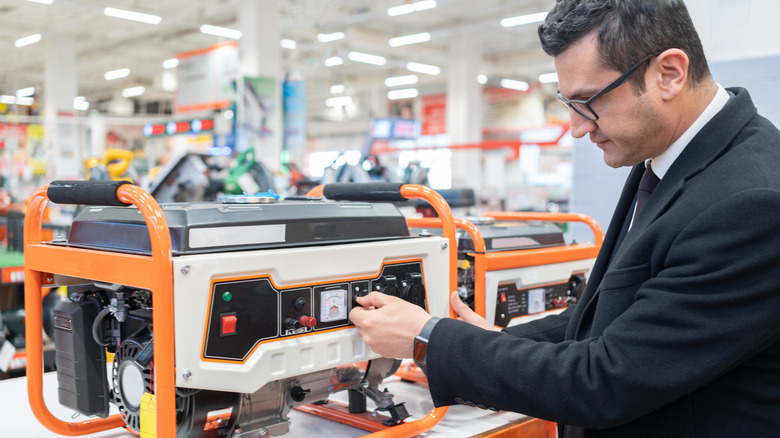
Inverter generators can be great alternatives to standard varieties that are often bulky and less portable. You might even consider them as part of your list of products to stock up on for a power outage. Yet, these features tend to come at a higher upfront cost. While prices can vary widely based on model, 2026 data reported by Angi found a new inverter generator can cost up to $1,000 compared to the $170 to $400 investment typically spent on a traditional version.
If your budget does allow for an inverter generator, the good news is you may save money on operating costs in the long run, albeit with a few caveats to consider. Inverter generators may last longer with fewer repairs, which ultimately means less money put towards maintenance on a regular basis. The machine also offers better fuel efficiency. However, know that a smaller engine ultimately means more frequent fueling sessions. Given the instability of gasoline prices, this could make the anticipated cost of refueling an inverter generator a little less uncertain, too.
Whether you decide an inverter or conventional generator is the right option for you and your household's needs, always follow the manufacturer's instructions carefully for operation and maintenance. Keep in mind that portable generators also pose the same safety risks as their plug-in counterparts. And, when it comes to powering equipment, don't forget to ensure the voltage option you select is the right amount for what you're using.