

How Long Does Snowblower Oil Usually Last?
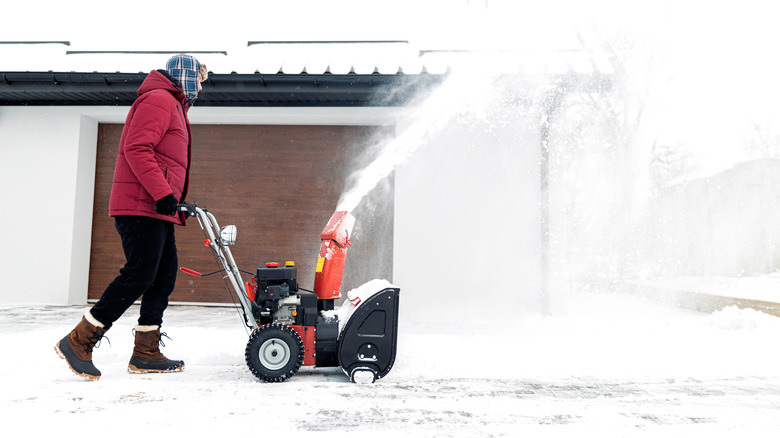
Preparing for winter weather is much easier when you have a plan in place before the first snowfall. Getting a head start on your snow removal strategy can help you tackle heavy winter storms with confidence when the time comes. Having a gas-powered snowblower can certainly be handy, particularly if you're anticipating a lot of snowfall and shoveling just won't cut it. As with any other outdoor power equipment, though, snowblowers require care and maintenance, and you certainly don't want to run them with old or low oil. While you should always double-check the owner's manual for your snowblower regarding specific guidelines, the general rule of thumb is to change your oil at least once a year.
It's also good practice to check a snowblower's oil levels before each use, and certainly at the start of a season. However, even if the oil is at appropriate levels, you might wonder whether the existing motor oil is safe to use. Unless you have a brand-new machine or use your snowblower heavily, the oil usually lasts for one season at a time, which is why an annual oil change is a decent starting point.
Yet there are several other nuances to consider. Similar to lawn mower oil longevity, many snowblowers need an oil change after 50 to 100 hours worth of use, varying by brand, model, and oil type. If you have a brand-new snowblower, you'll also want to check the owner's manual or the manufacturer for information about the machine's first oil change, as many recommend changing the oil after just the first 2 to 20 hours of operation.
When to perform your snowblower's oil change
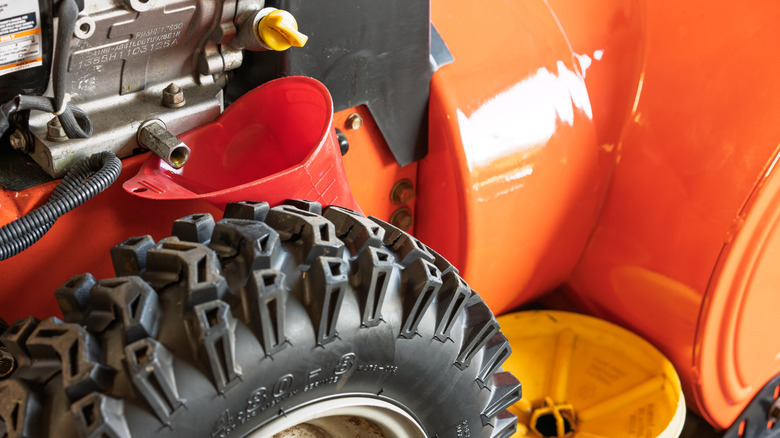
Many owners opt to perform an oil change at the end of the snow-blowing season. If you're preparing your snowblower for storage, it's a good idea to change the oil and remove all fuel. This is true no matter how many hours you used the machine. It may seem counterintuitive to change the oil in your snowblower before storing it, yet doing so can reduce the risk of old oil creating harmful buildup in the engine. While you're at it, you can also add fresh fuel with a stabilizer. These steps protect the machine during the off-season and ensure it's ready to go as soon as you need to tackle accumulated snow.
On the flip side, if you did not take the above steps before storing your snowblower for the season, all is not lost. In such cases, you can still change the oil at the start of the season. It's important to choose a winter-grade oil that won't thicken up as temperatures drop. If your snowblower is having issues with starting or running even after an oil change, consider talking with a professional engine repair shop to troubleshoot. If all this maintenance is making you think about ditching gas-powered snow tools for electric versions, remember you'll still need to learn how to care for batteries and other key maintenance tips.