

Don't Splurge On A Curtain Rod: The Dirt-Cheap Alternative You Can Easily DIY
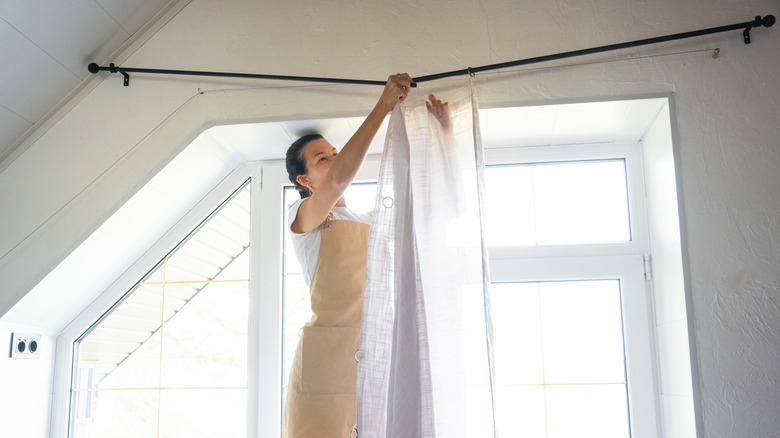
Decorative curtain rods can be expensive, especially when you need a specific length to accommodate unusually sized windows. Fortunately, a DIY solution in the form of PVC pipe can offer an affordable alternative to fit your space. It's one of several smart ways to repurpose PVC pipes you may already have lying around. Simply cut the pipe to your desired length, paint it to resemble a metal or wooden rod, and install it using standard curtain rod brackets. Once the curtains are hung, much of the pipe will be concealed, creating a polished look without the added expense.
PVC pipe works best for lightweight to medium-weight curtains. Heavier fabrics, such as blackout panels, may cause the pipe to bend or sag, particularly across wider windows. To help prevent this issue, consider inserting a supportive wooden dowel or installing an additional center bracket. Keep in mind that heavier curtains may require a wood or metal rod specifically designed to support their weight. Understanding the various types of curtain rods and their applications will assist you to choose if PVC is the right one.
Before getting started, check your curtains to ensure they are compatible with the the pipe. Rod pockets, grommets, and curtain rings must fit over its outside diameter. Take one ring or panel with you when buying the pipe if you are unsure. Curtain rings should slide freely rather than scraping against the painted surface each time the curtains are opened and closed.
How to turn PVC pipe into a curtain rod
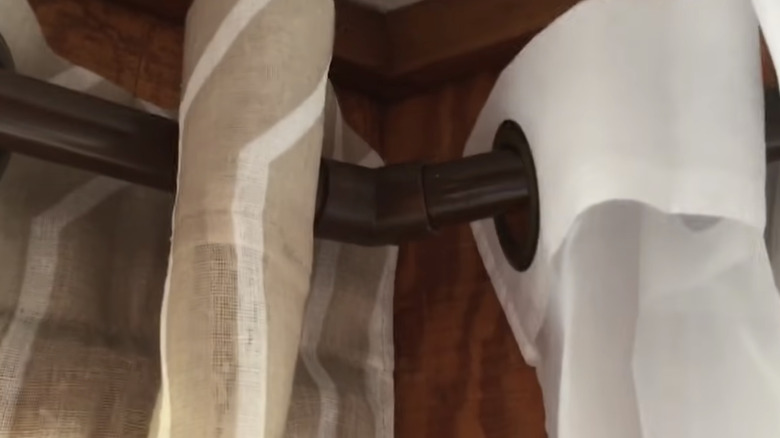
First, install the brackets on the wall and measure the length needed for your curtain rod. The pipe should extend beyond both sides of the window, allowing the curtains to cover the opening completely when closed and hang clear of the window when opened. Cut the PVC pipe to the desired length using a PVC cutter or suitable saw, then sand any rough edges smooth.
Before painting your new PVC pipe curtain rod, place the pipe in the brackets and temporarily hang the curtains to test its stability. Making these adjustments beforehand will help prevent complications once the rod is painted. Note that PVC pipes have a smooth surface, possibly making paint adhesion difficult, so be sure to choose one specifically formulated for plastic. Apply several thin coats rather than one heavy coat, working in a well-ventilated area. If the rod will receive prolonged direct sunlight, consider whether additional UV protection is necessary. You can learn more about protecting PVC pipe from UV exposure here. Allow the paint to dry and cure according to the manufacturer's instructions before adding the curtains or rings.
Complete the look with PVC end caps, wooden knobs, or decorative finials that fit securely over the ends of the pipe. Paint these pieces separately to achieve a consistent finish. Be sure to leave at least one end removable so you can easily take down the curtains for cleaning.