

How To Make A Weed-Resistant Flower Bed Without Needing Landscape Fabric Or Mulch
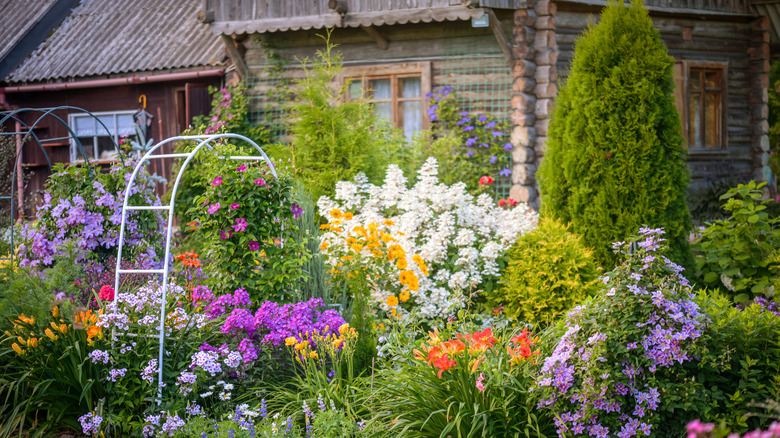
Flower beds are fun until you're spending your entire Saturday wrestling bags of mulch into your car, hauling them through your yard, and digging bark chips out of your socks later that evening. Very few of us start a flower garden hoping to spend half of our budget covering the ground with landscape fabric that compacts the soil and woody bits that quickly decompose and need replacing. Fortunately, according to Dr. Manjot Sidhu, Ornamental Horticulture Specialist at UMaine Cooperative Extension, Orono, it is possible to make a weed-resistant flower bed without needing landscape fabric or mulch. How? By reducing open garden space. "A homeowner can adopt a proactive strategy that eliminates open soil and reduces soil disturbance," Dr. Sidhu said in an exclusive interview with Hunker. You'll need to slightly adjust your strategy and still spend some time hand-pulling weeds, but over time your back and your budget will thank you.
You can first ensure your plants are positioned close together. "Tightly spaced roots quickly absorb available soil moisture and nutrients, outcompeting opportunistic weeds before they can establish," Dr. Sidhu explained. In addition, she recommended using ground covers to create a living mulch. Combining these approaches with diligently hand-pulling tender weeds before they go to seed is a safe and natural way to control unwanted growth in your garden — without the need for traditional mulch and landscape fabric.
Reduce open space in your flower beds with tight planting and cover crops
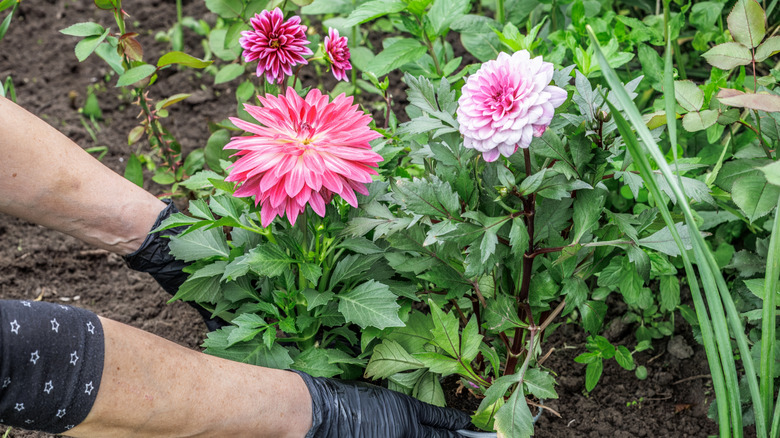
Dr. Sidhu elaborated on how reducing open garden space helps prevent weed growth in your flower beds. "Placing plants closer together cuts down on weed growth because a dense plant canopy blocks sunlight from reaching the soil surface, depriving dormant weed seeds of the light energy needed to germinate," she explained. Even if weed seeds attempt to get established, that approach helps underground, too. She added that this alternative to landscape fabric and mulch will leave opportunistic weeds in the proverbial dust.
Of course, most gardeners will eventually need to overwinter flower beds. According to Dr. Sidhu, leaving beds completely bare after your flowers have died back allows winter weeds to germinate. However, it is possible to continue reducing open garden space year-round to prevent their growth during the off-season. "Sow fast-growing cover crops like oats or crimson clover in early autumn immediately after clear-cutting summer annuals," the horticulture expert suggested. Along with preventing weed seeds from getting into your soil during the colder months, cover crops serve a second purpose when the weather warms up again. Dr. Sidhu said to take full advantage of this method: "Chop down the cover crop in early spring before it sets seed, allowing the decaying biomass to form a natural, weed-suppressing mat for the upcoming growing season."
Create a living mulch with attractive ground covers

Even experienced gardeners can find themselves wondering if it's really possible to have a weed-resistant flower bed without needing landscape fabric or mulch. Installing weed barrier cloth often seems like a necessary addition to new flower beds because it promises to suppress weeds while preventing mulch from sinking into the dirt underneath. Unfortunately, the trouble starts almost immediately for gardeners who realize they want to move an annual that isn't thriving where it was originally planted, or divide a flowering perennial that's gotten too big for the space. Landscape fabric is notoriously difficult to work with after a season or two, and can leave roots hopelessly tangled.
Instead, Dr. Sidhu recommends completely ditching landscape fabric for an alternative method she would personally implement. "You can maintain a weed-resistant flower bed without landscape fabric or mulch by creating a living mulch using low-growing ground covers to physically blanket the ground," she explained. There are many fast-growing ground covers that will appeal to gardeners not just for their weed suppression capabilities but also their attractiveness to pollinators. "To implement this, avoid tiling or deep digging, as leaving the soil undisturbed keeps dormant weed seeds buried where they cannot germinate," Dr. Sidhu suggested.
The horticulture expert also highly recommended installing drip irrigation directly at desired plants and applying natural pre-emergents in early spring. This will deprive weeds of surface water and keeps them from becoming established in the first place.