

Spraying Your Walls With Hydrogen Peroxide: What It's For And Why It's Recommended
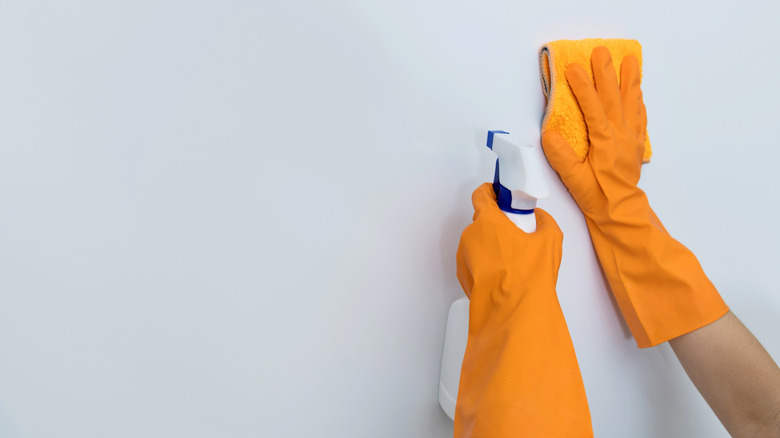
It's obviously time to clean when the sink is piled high with dishes or the carpet starts to feel crunchy, but interior walls need regular cleaning, too. Over time, you'll probably start to notice fingerprints, scuff marks, and even dust spots. While you may be tempted to repaint, reaching for a bottle of basic hydrogen peroxide can be an easier way to fresh things up. According to Michael Rubino, the founder of HomeCleanse, president of Change the Air Foundation, and host of the Never Been Sicker podcast, hydrogen peroxide can help rid your walls of stains, grime, and even microbial growth. However, it's not necessarily the best way to treat set-in stains, greasy spots, or serious mold problems.
"Hydrogen peroxide can be useful in some situations for some types of residue, particularly organic buildup and staining," Rubino told Hunker during an exclusive interview. The mold and air quality expert explained that the affordable household cleaning staple is effective because its oxidizing qualities can help break down organic materials, which may lighten stains. "In some instances, hydrogen peroxide can be used to eliminate grime from surfaces, like sticky or greasy fingerprints," Rubino said. In both cases, cleaners recommend mixing 3% hydrogen peroxide with a little dish soap before gently applying it to dirty walls with a clean rag. Make sure to test the mixture in an inconspicuous spot first, and rinse away residue thoroughly with clear water once the stain has lifted.
Hydrogen peroxide can help clean moldy walls, but it isn't a foolproof method
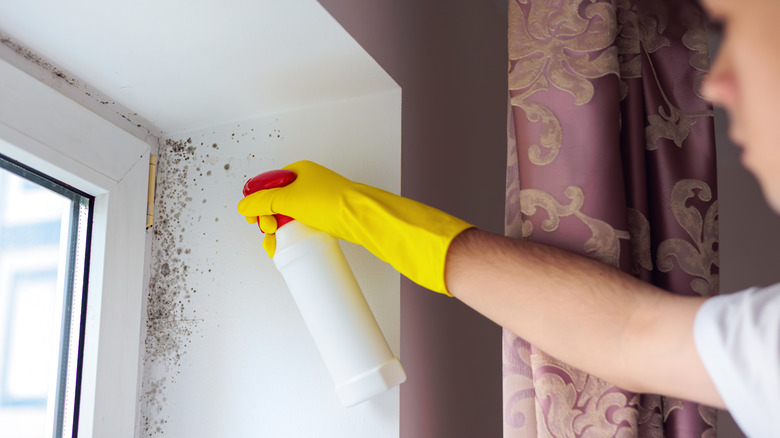
Of course, sometimes walls are covered in something far worse than dirt, dust, or drawings by your little darlings. Many people head straight to the bathroom cabinet, hoping that hydrogen peroxide will help get rid of mold growth on walls. Unfortunately, it's not always that simple. "Hydrogen peroxide can help eliminate mold, but it's more complicated than spraying it on and calling it a day," said expert Michael Rubino. He explained that the same oxidation process that provides light bleaching for stained walls also damages the cellular structure of mold. That makes it a useful tool his company frequently reaches for when completing the mold remediation process.
However, it's only one of the many steps you'll need to undertake if you want to clean mold and mildew off your walls. Depending on the surface type, Rubino said the process often involves other decontamination steps like HEPA-vacuuming and mechanically cleaning the surface before applying hydrogen peroxide as a treatment. And, although you may observe bubbling when you apply hydrogen peroxide to your walls, seeing isn't always believing. "That reaction can occur due to organic material and certain enzymes, but it doesn't automatically mean mold is present or that the surface is clean once the bubbling stops," he explained.
Dirty walls may not significantly impact your health, but leftover mold spores and microscopic particles can affect your indoor air quality. According to the expert, this is why it's important to physically remove contamination instead of just treating it. "The big thing to remember is that killing mold and removing mold are two different things. Even if the mold is dead, spores, fragments, and other microscopic particles can still be left behind," he said.
When to call in a professional (or use another product entirely)
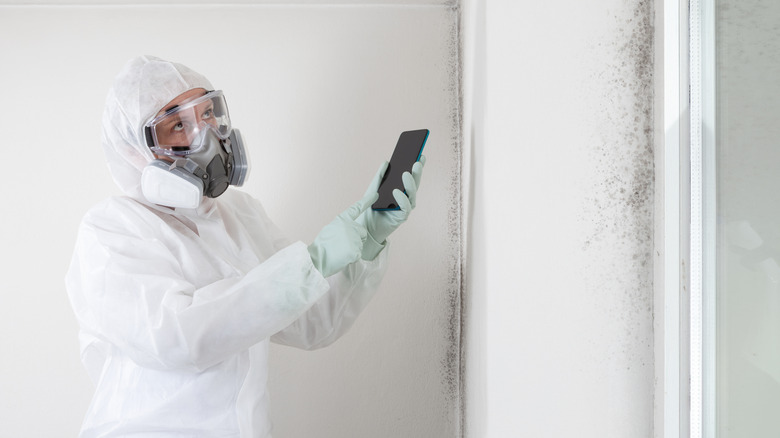
When it comes to how to use (and not use) hydrogen peroxide as a disinfectant, Michael Rubino said it's important for homeowners to understand when a little DIY cleaning isn't enough. Hydrogen peroxide can be an effective way to remove stains and grimes from your walls, but heavy mold will not be affected. He attributes this to drywall being a naturally porous surface. "Once mold has grown into the material, removing and replacing it is the better option," Rubino emphasized. If you treat an area but mold quickly returns, or you can't get rid of a weird musty smell, he recommended calling a qualified mold inspector rather than spending more time trying to scrub it away.
Humid spaces can be even more susceptible to mold growth. When rooms have a combination of drywall and tiled surfaces, removing it may require more than one approach. "It depends on the surface as to whether or not hydrogen peroxide can be used to eliminate the contamination," Rubino said. He strongly recommended controlling the moisture source allowing mold growth in the first place by improving airflow or using a dehumidifier before trying hydrogen peroxide or any other cleaning method. "Otherwise, the same situation could happen again," the expert cautioned.
However, there are plenty of other options for everyday grime. According to Rubino, "Hydrogen peroxide isn't the best cleaner for everything." Instead, he recommended using gentle detergents designed to handle ordinary dirt and grease, which are often less likely to discolor or damage your painted walls. If you choose this method, remember to follow the product's directions to give your walls a refresh without creating a bigger mess in the process.