

Most People Set Their Thermostat Wrong In The Fall — Here's The Best Temperature
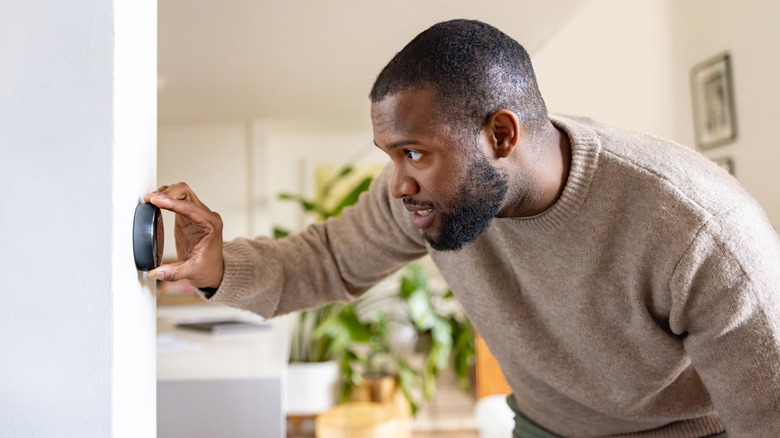
With chilly mornings and sunny afternoons, autumn days see a range of temperatures. This seasonal shift makes it difficult to choose a good thermostat setting. If you find that your house is constantly too hot or too cold, you may be tempted to keep adjusting the heat. However, this could be rough on your system and make it difficult to stay comfortable. Kim Lincoln, an HVAC expert, chatted with Real Simple about the best temperature to set your thermostat in fall. "Fall is a transition season, so the goal is to find a comfortable setting without constantly making dramatic changes to the thermostat," Lincoln said. "I recommend setting the thermostat near 68 degrees Fahrenheit when heating is needed, making modest adjustments when sleeping or away, and letting indoor comfort and humidity guide you."
Experts and heating and cooling companies consistently recommend 68 degrees Fahrenheit as the best temperature to set your thermostat in fall. However, the perfect temperature for your home could vary based on personal preferences and the weather where you live. Generally, temperatures between 64 and 70 degrees are suggested to keep your home comfortable and avoid a hefty utility bill at this time of year.
To get the most of your thermostat settings, Mike Naughton, founder and CEO of Integrity Energy, told Martha Stewart about eco-friendly heating tips to save money. "At night, or when you're away for an extended period, you can lower the temperature a few degrees to save energy while keeping the home comfortable," he said.
Keeping your home a comfortable temperature during autumn
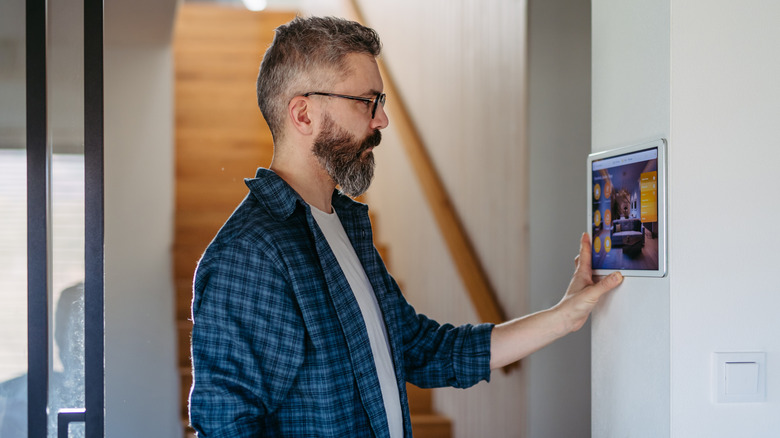
As you prepare your home for fall, you'll likely need to adjust the thermostat. Rather than keeping your home at the same temperature all the time, slightly set it to a routine. This trick is great for the changing weather of autumn, but it also helps keep your bills low and your home comfortable throughout the year. It's generally suggested to lower your thermostat by seven to 10 degrees when the house is empty and at night to conserve energy and cut costs. If you keep your home at 68 degrees during the day, try dropping it down between 60 to 65 degrees while you're sleeping cozily in bed.
Phil Oliver, co-owner of Air Treatment Heating and Cooling, explained the benefits of a scheduled thermostat to Martha Stewart. "It's better to use a programmable or smart thermostat that automatically adjusts the home's temperature on a schedule. This allows homeowners to maintain a comfortable temperature when they're home while automatically reducing heating when they're asleep or away," Oliver said. "It also takes some of the guesswork out of managing your home's temperature during unpredictable fall weather."
The best fall thermostat temperature can vary
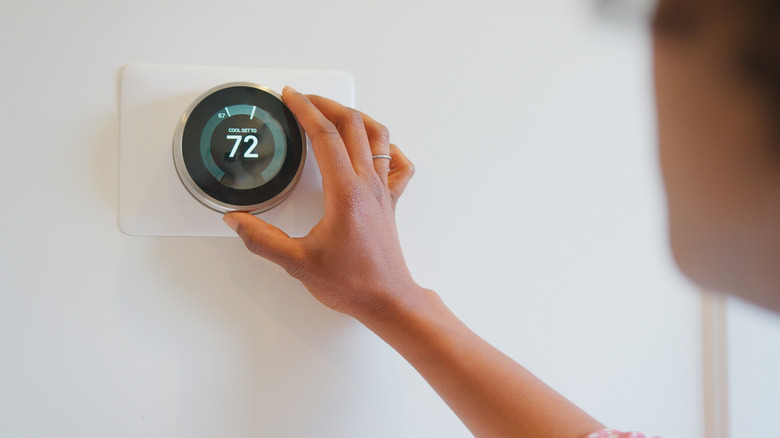
Depending on where you live, the autumn season may have warmer weather. With higher outdoor temperatures, 68 degrees may not be comfortable or affordable for your home. In some places, you may need cooling rather than heat in early autumn. Joe Haycock, president of Fresh Air Concepts, LLC, told Martha Stewart, "But in places such as Texas, Florida, Arizona, or Georgia, where fall temperatures can stay high and vary more during the day, I'd set the thermostat between 70 to 78 degrees," he said. "The greater the temperature fluctuations, the more flexibility you need in your thermostat settings to prevent unnecessary energy consumption and reduce wear on the equipment."
In other areas, autumn weather offers beautiful days where opening the window feels more comfortable than turning on the air or heat. Sometimes, turning off your HVAC systems and allowing fresh air can be the best option. Lincoln told Real Simple, "In that situation, homeowners can switch the system off temporarily and use natural ventilation if outdoor conditions are comfortable and the indoor temperature and humidity remain in a safe, comfortable range."
However, keep in mind that fall can also bring frigid overnight temperatures. While you may try to keep your heat setting lower or turn it off to save money, make sure it's not too low when you truly need it. If you think temperatures will drop to freezing, consider taking precautions to prevent frozen pipes.