

Do Riding Lawn Mowers Need To Be Winterized?
We may receive a commission on purchases made from links.
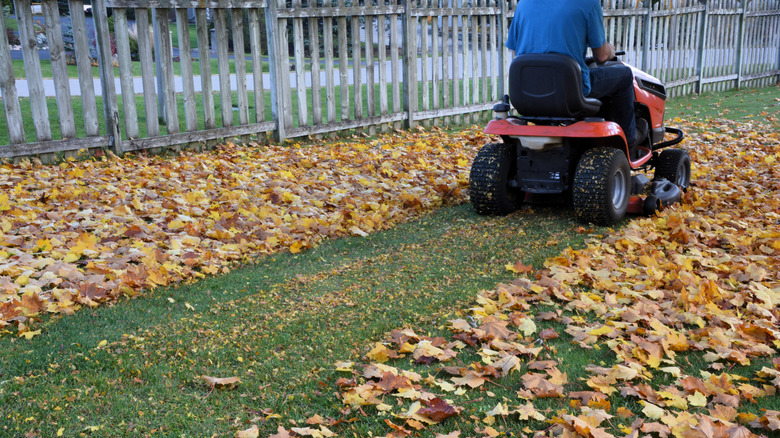
When cold weather arrives, you might find yourself so happy to see yardwork come to a close for the year that you hurriedly pull your riding lawn mower into the shed and lock the door behind you. But like cutting grass with dull blades or fertilizing at the wrong time, that's a big mistake. Winterizing is the process of tuning up your lawn mower in the fall so that it's ready for the next mowing season. Skipping it can cause fuel, engine, and structural damage that costs a fortune to fix the following spring.
You'll know the time to tackle this task has arrived when you stop mowing your lawn for winter. Storing your riding lawn mower away from snow and ice is a good step, because exposure to the frosty conditions can make plastic components brittle, cause electrical problems, and even rust metal parts over time. The other issue with constant exposure to snow is that it's surprisingly heavy. If you skip winterization and leave your riding lawn mower buried under ice or snow all winter, it can warp your lawn mower deck and chute, compact its wheels, or cause alignment issues.
But even if you live in a warmer climate that experiences mild weather year-round, winterization is still necessary to extend your riding lawn mower's lifespan. That's because freezing temperatures aren't the only thing that can make your mower less cooperative when spring arrives. Leaving one to sit for long periods of time without using it can also cause fuel and corrosion issues.
These winterizing tasks matter the most
Fortunately, winterizing a lawn mower doesn't have to be extremely complicated or time-consuming. Although it involves several steps, the entire process shouldn't take more than an hour or two. But if you're pressed for time, focusing on battery maintenance and fuel stabilization matters the most.
When left unattended in a garage or shed for months at a time, your mower battery will likely lose its charge. It's best to disconnect it. If you spot any corrosion on either the positive or negative terminal, remove it with a metal brush or specialty product like CRC Tech Grade Battery Cleaner from Amazon. After removing the buildup, wipe down the entire battery with a clean cloth before storing the battery in a cool and dry place to extend it's life by avoiding more corrosion buildup during harsh winter weather.
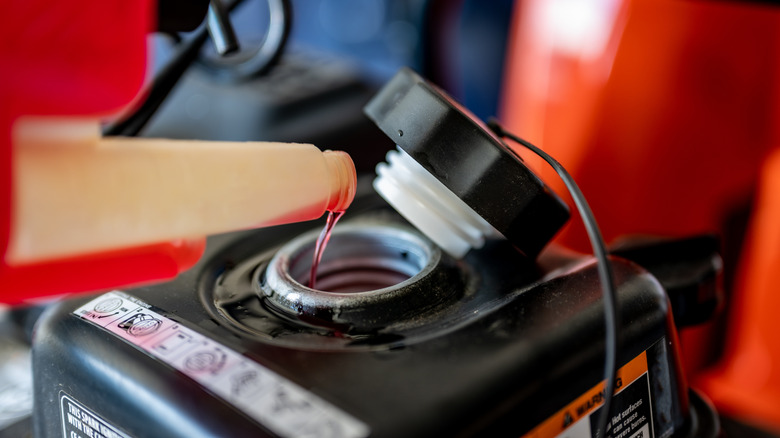
The same goes for the fuel tank. While using stabilized fuel throughout the mowing season is already a good idea, it's an especially important winterizing step. Regular gasoline starts breaking down in around a month, and the ethanol added to modern gasoline absorbs moisture in the air. This often leads to corrosion and harmful deposits inside your fuel system during the colder months. Products like the bestselling STA-BIL Storage Fuel Stabilizer from Amazon are easily added directly to the fuel tank before filling it with gas. Alternately, you can completely remove any remaining fuel after your last mowing session of the year, although this approach may necessitate the extra step of cleaning gunky buildup off your carburetor in the spring.