

The Gravel Driveway Costs That Start After Installation
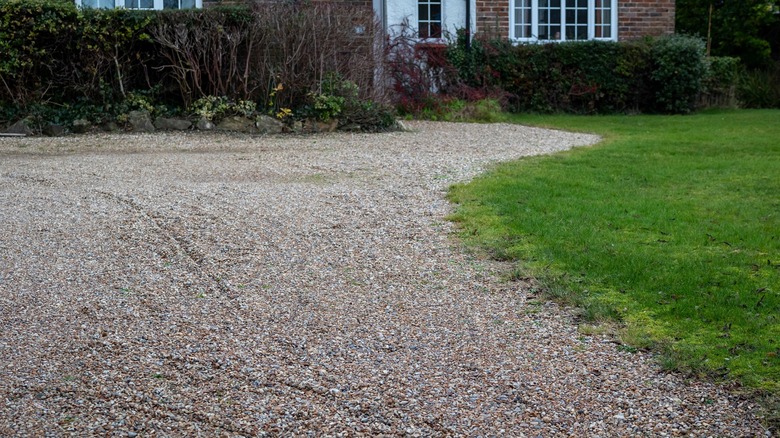
At $1 to $3 per square foot, gravel is one of the cheapest driveway options. It's also one of the most eco-friendly selections because gravel is permeable, letting rainwater soak into the ground and nourish the soil underneath the driving surface. That permeability, along with gravel's looseness as a road material and water's tendency to form gullies and potholes, creates ongoing maintenance issues that increase the long-term costs of the driveway. The costs aren't excessive, but they add up over the life of the driveway.
You can often fill in potholes by moving gravel around with a shovel, but that's a temporary fix that seldom lasts, as vehicular traffic quickly displaces the gravel again. Regrading is a longer-lasting fix, and if you don't have the heavy equipment to do that, you'll have to rent it or hire someone who does. If you have to call a pro, expect to pay $700 to $800, and the cost is higher for a driveway longer than 300 feet. Depending on the amount of precipitation you get and the lay of the land, you may have to regrade annually or every other year.
Flowing water doesn't just reshape the ground; it also displaces some of the gravel, and eventually, you'll have to add more. That costs almost twice as much as regrading, because it involves buying the gravel, paying for a truck to transport it, and hiring a tractor or plow operator to spread it.
Weeds, edging, and snow removal are additional costs
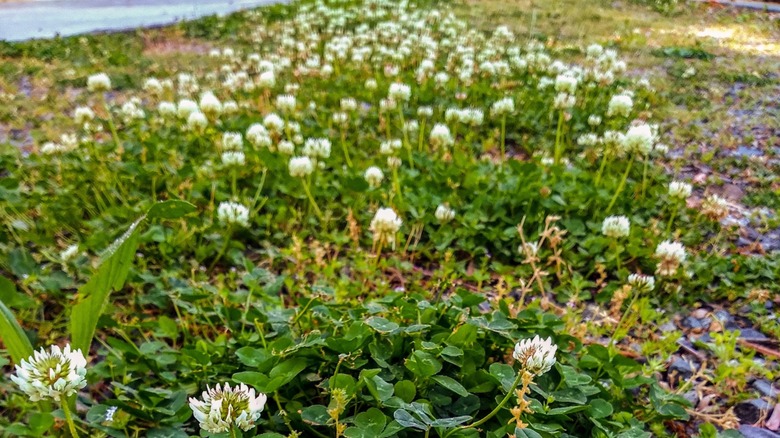
The permeability of gravel creates another issue that could cost you money: weed growth. The weed barrier driveway installers lay will stop deep-rooted plants from sprouting, but grasses and flowering weeds can germinate in the layer of gravel above it. Nothing detracts from a property's appearance like a weed-covered driveway, so if you're concerned about curb appeal, you'll probably end up spending money on weed removal. How much you spend depends on the methods you use and how much of the work you do yourself. Spraying typically costs $60 to $180, and pulling by hand could cost as much as $300.
Edging a gravel driveway is a normal part of installation, and if it hasn't been done, the driveway tends to lose gravel to the landscape. This creates hazards for lawn mowers, and it looks so unkempt that you may decide to install a border around the driveway after the fact. That can set you back from $3.50 to $8.80 per linear foot, depending on the type of edging, driveway characteristics (curved or straight), your location, and other factors.
Snow removal can be a problem on a gravel driveway. Plowing isn't a good idea because it displaces gravel, and shoveling is impractical, so if you get a lot of snow, you may have to buy or rent a snow blower. If you can't operate it yourself, or you don't have time, add the cost of hiring someone to your monthly winter expenses.