

Take Cuttings From These 20 Outdoor Plants Before October Ends & Thank Us Later
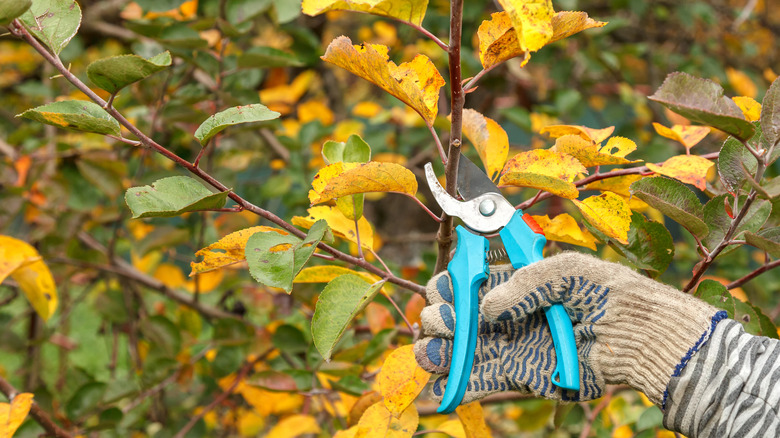
October might be near the end of the year, but it doesn't have to be the end of your gardening season. As plants start to go dormant for winter, you can actually prepare for next year's growth by propagating them. There are a number of easy plants to propagate from cuttings, although not all of them can be done in October. It's a great time to propagate trees and shrubs like figs, willows, and viburnum, among other plants. Depending on where you live, October may be cold or mild, which means you may be taking hardwood or semi-hardwood cuttings. Don't panic if you aren't familiar with the terms because both cuttings are taken the same way, from the stem.
The difference is that hardwood cuttings are taken after the end of the growing season, when the new growth from the year has had time to age. Semi-hardwood is taken near the end of the season, when there is a mixture of fresh growth and older, hardened growth. If you live in a warmer climate where the growing season ended more recently, for example, you're more likely to be taking semi-hardwood cuttings. Whether taking hardwood or semi-hardwood cuttings, make sure to clean your garden tools properly first to avoid depositing bacteria or fungal spores on the cut. Choose a healthy branch or stem and make the cut at an angle, directly below a bud or leaf node. Depending on the plant, the cutting can then be placed in fresh soil or clean water to start rooting.
Figs
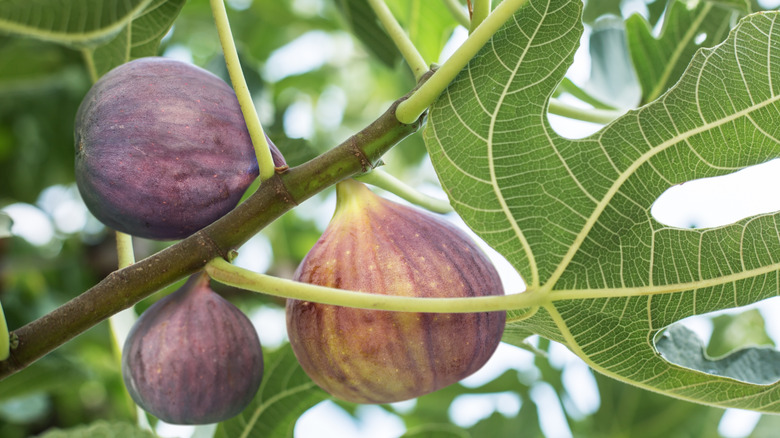
Figs (Ficus carica) are a fantastic option if you're nervous about taking cuttings, as they're quick to take root and start growing. Plus, propagation means more trees for an increased fig harvest. They're hardy in zones 7 through 10, although some varieties have increased cold tolerance. Depending on how cold it is in your area, your fig trees may already be dormant with the cold or you may still be experiencing warmer weather. The good news is that you can take cuttings from a fig tree in either case, meaning they're semi-hardwood or hardwood, although you should take smaller cuttings before it goes dormant.
Rock rose
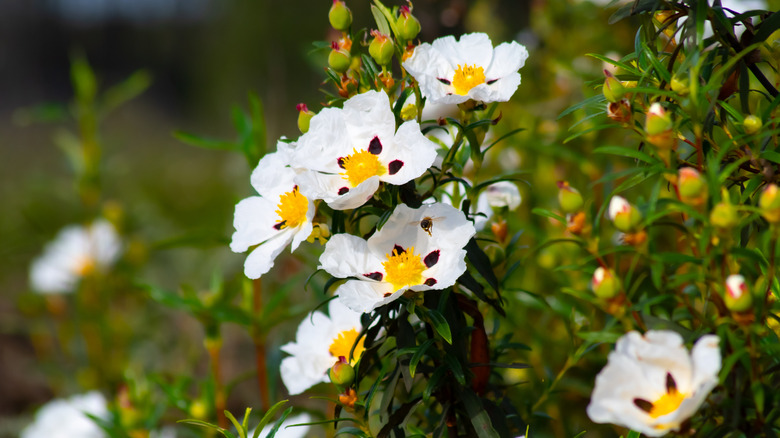
To fill your yard with fast-growing, flowering, evergreen shrubs, you should consider taking some cuttings from your rock rose (Cistus spp.) plants. Cuttings are the easiest and most efficient way to propagate rock roses, although there is a slight caveat. They need to be propagated from semi-hardwood cuttings taken in late summer to early fall. If the plants in your area aren't dormant yet, then take some cuttings to propagate. However, since they are evergreen, you can still take a few hardwood cuttings in October to decorate with. Rock roses are hardy in zones 7 through 10.
Willow trees

If you have any willows (Salix spp.) in your garden and want a few more, take cuttings in October. Willows are generally hardy in zones 4 through 9, but zones can vary based on species. It can be propagated from a semi-hardwood or hardwood cutting in spring, winter, or fall depending on region. You can start taking cuttings once the weather cools and the leaves change, then stick them into the ground deep enough that they won't fall over. If the ground is already frozen by October in your area, you can root them in water and transplant them after the last frost of spring.
Flowering currant
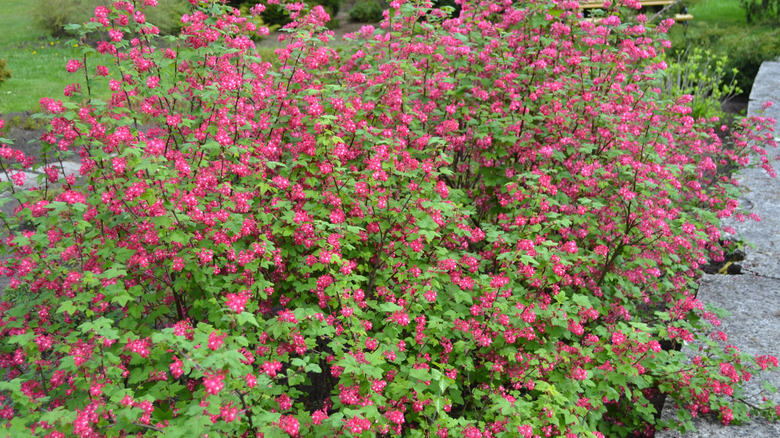
There are many benefits to growing flowering currants (Ribes sanguineum), so it's only natural that you might want to propagate them to make more. They're native, the flowers are beautiful and attract pollinators, and the berries can make an excellent snack for birds or even humans, depending on the variety (though the fruit tends to taste tart). Flowering currants are hardy in zones 6 through 8, and they're easy to propagate from either hardwood or semi-hardwood cuttings in October. Other currant species can also generally be propagated in the same way, although you should note that not all species root quickly and some have thorns.
Viburnum
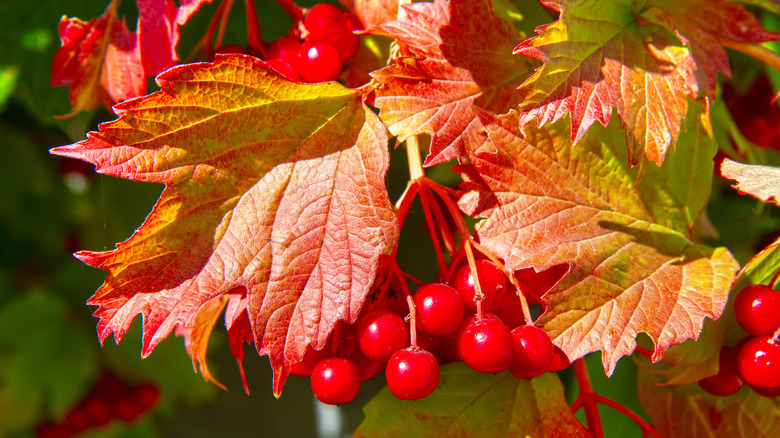
Viburnums (Viburnum spp.) are one of the best flowering shrubs for landscapes, so it's a good thing they can be propagated from cuttings. They also have a broad hardiness range, from zones 4 to 10. You can propagate viburnum from either softwood cuttings (the stage of maturity before semi-hardwood) during the growing season, or hardwood cuttings taken in fall or winter. In October, you'll likely be taking hardwood cuttings, which tend to grow roots more slowly. Pick up some rooting hormone to apply to the cut end, plant it in potting soil, and keep it warm over winter so it's ready to transplant by spring.
Grape vines
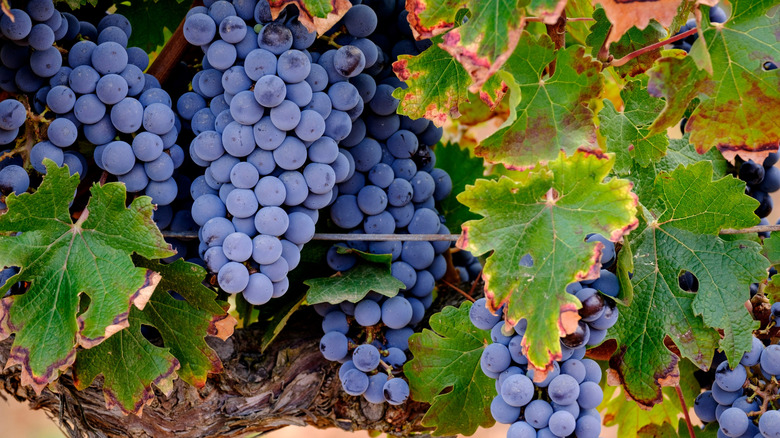
Whether you're growing them for snacks, homemade wine, or aesthetics, grape vines (Vitis vinifera) are a delightful addition to gardens in zones 6 through 10. If you want to expand your collection, you can take hardwood cuttings in late fall for propagation. Make sure the cutting has at least three nodes, with the bottom cut as close to the last node as possible. The bottom should be the side closer to the main trunk of the plant. Cutting the top at an angle and giving the bottom a straight cut is the easiest way to keep track of this.
Rhododendron
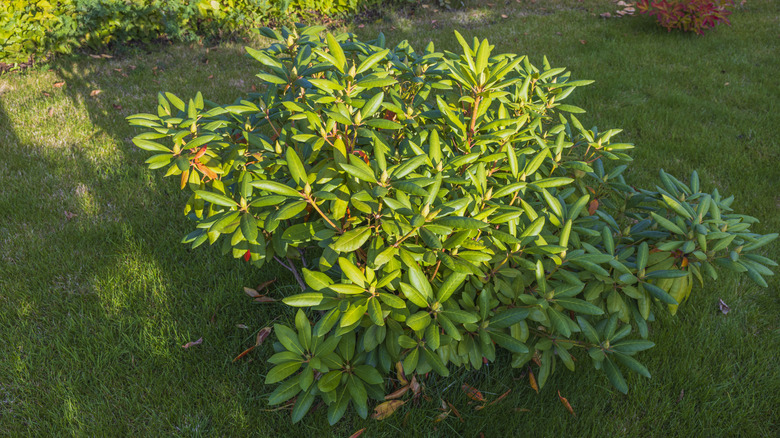
Rhododendron shrubs (Rhododendron spp.) are staggeringly beautiful shrubs that can provide tons of flowers in the spring and form a dense privacy hedge year-round. If you want to add a few more to your yard or replace some older rhododendron shrubs that have become damaged, October is a good time to take cuttings and start propagating them. Semi-hardwood cuttings root fairly easily, and the cuttings don't fare as well in the extreme heat of summer or hard frosts of winter, making fall a fantastic time to get your shears out. Rhododendrons are generally hardy in zones 4 through 8.
Mulberries
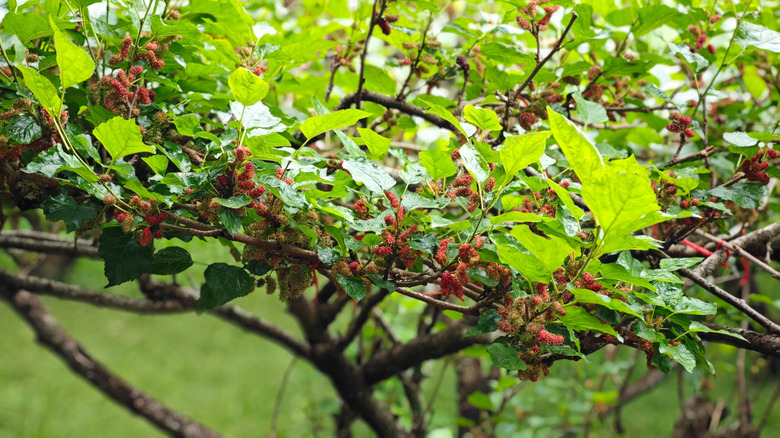
If one mulberry tree (Morus spp.) isn't enough, take hardwood cuttings in October once the tree goes dormant. You can use them to grow new trees, although they won't be ready to harvest for a couple years. Luckily, mulberry trees provide benefits other than their fruit. They're beautiful, provide shelter for animals, and are beneficial to pollinators, so the time spent propagating them is still worth it. Mulberries are hardy in zones 4 through 8, and they can be tricky to propagate. Rooting hormones will boost your success rate, but you'll still want to take multiple cuttings to try rooting.
Hebe
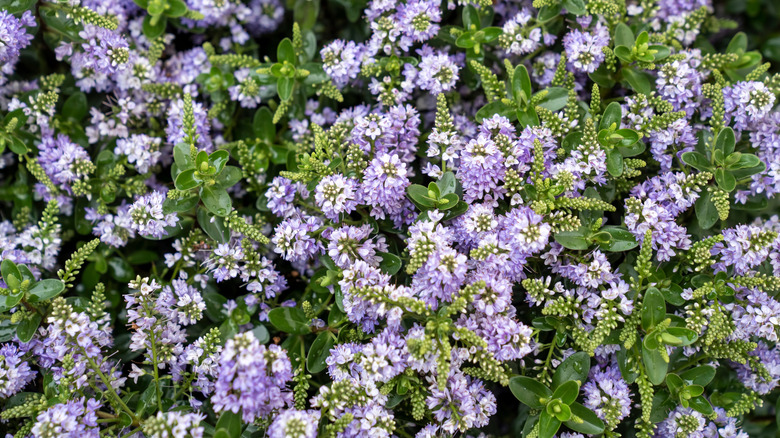
Hebe (Hebe spp.) is a beautiful flowering shrub that's hardy in zone 6 through 11, with some varieties being less cold-tolerant than others. Unfortunately, it's also fairly short-lived. If you or someone you know has a hebe plant that's getting close to ten years old, you'll want to get a few cuttings while you can. Hebe is best propagated through semi-hardwood cuttings, so unless you live somewhere incredibly warm October may be your last chance to grab some cuttings. Some hebe varieties can bloom through October, but cuttings with flowers should be used for decor, not propagation.
Jasmine
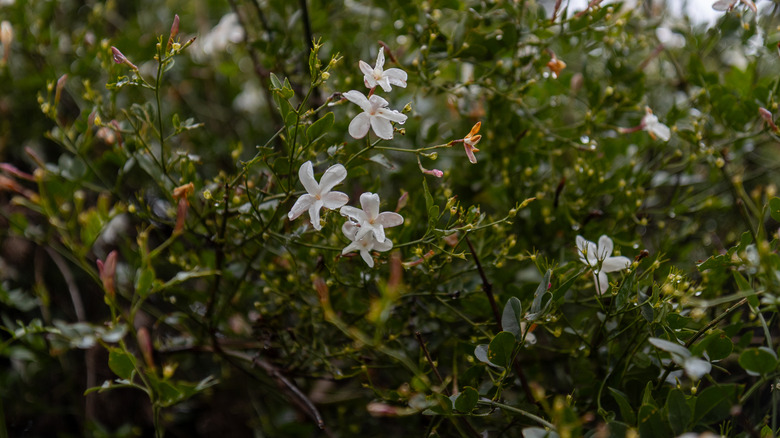
Beautiful, fragrant jasmine flowers (Jasminum spp.) can turn your gardens into a relaxing haven, and, depending on the exact species you have, they might bloom from winter or early spring to fall. That limits the amount of time you can take cuttings without cutting off flowers. By October, the flowers are most likely fading, letting you snip without mourning lost blooms. Plus, outdoor jasmine plants generally do better when propagated through hardwood cuttings rather than softwood or semi-hardwood cuttings. Hardiness zones can vary depending on what specific type of jasmine you're growing, but they're generally hardy in zones 8 through 11.
Rosemary
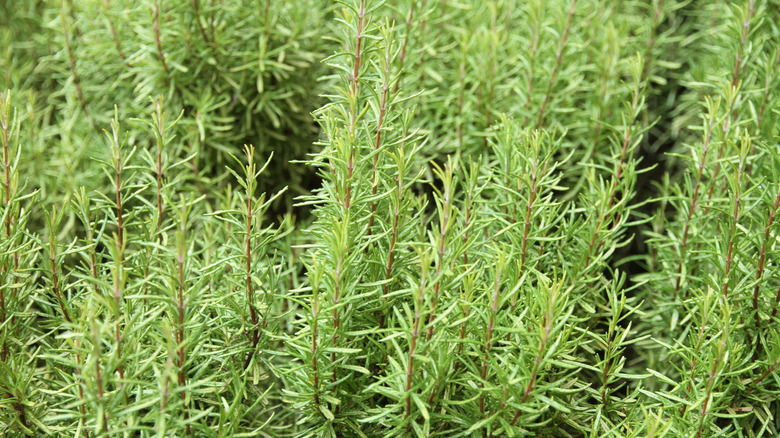
It's typically better to propagate rosemary (Salvia rosmarinus) before the end of the growing season. However, if you forgot to propagate it earlier in the year or just realized that you aren't in zones 8 through 10, meaning your outdoor rosemary plant might not be hardy, don't panic. While you should avoid hardwood cuttings unless it's for decor or flavoring, you may be able to find some semi-hardwood in October. Try to get mostly newer growth, leaving as much of the old hardwood behind. Remove the lower leaves, dip it in rooting hormone, and plant it in fresh soil.
Poplars
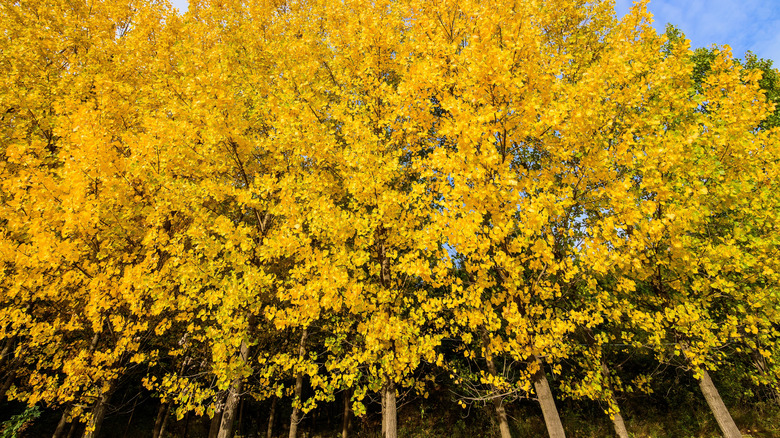
Depending on where you live, poplars (Populus spp.) can be propagated from hardwood cuttings starting in October. They're easiest to propagate when the tree is dormant, which may be as early as October in northern areas like Indiana or Minnesota. In a warmer climate, you may need to wait until late October or even further into winter. Choose a healthy, leafless branch, soak the cut end in water overnight, and place it in moist, sandy soil to root. Poplar species can be grown in a wide range of zones, but are generally hardy as in zones 3 through 9.
Mock orange
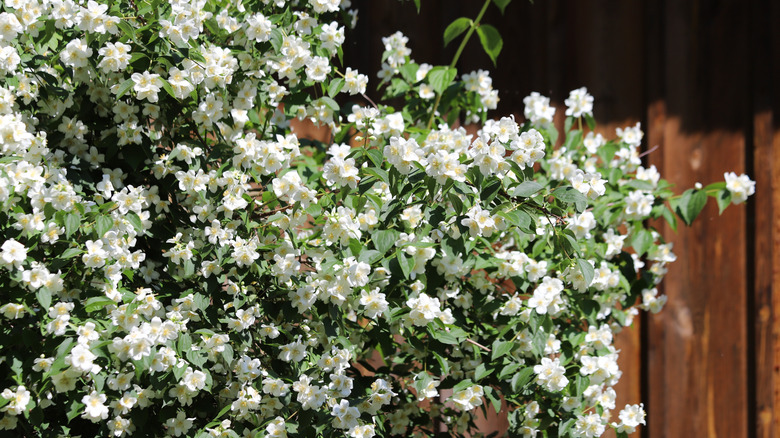
Mock orange trees (Philadelphus spp.) are hardy in zones 4 through 8, and their fragrant flowers make them a great addition to garden paths or seating areas. If your yard or garden could use a few more of them, you'll be happy to know that they're easy to propagate through cuttings. You can take cuttings in October no matter what zone you're in, as mock oranges can be propagated from hardwood, semi-hardwood, or softwood cuttings. Just clip a healthy branch into sections that are at least 6 inches long and plant them in soil or compost.
Quince
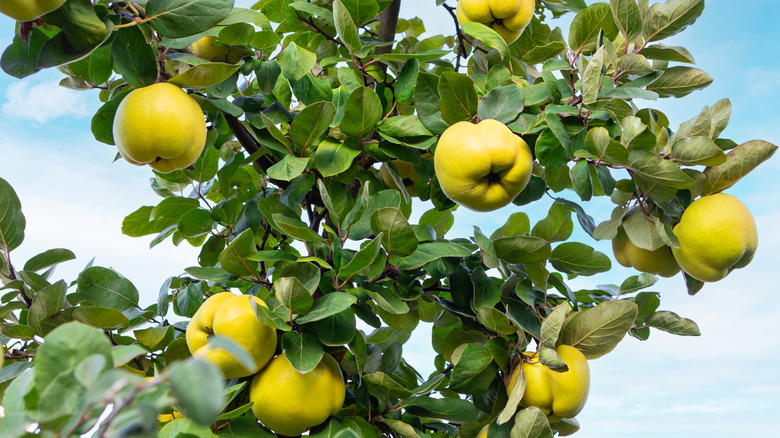
Quince (Cydonia oblonga), not to be confused with Japanese quince (Chaenomeles speciosa) or Chinese quince (Pseudocydonia sinensis), is popularly grown for its abundance of beautiful flowers and tasty fruit. If you have a space in your yard that's begging for another tree, take some quince cuttings this October. Quince has a fairly narrow hardiness range of zones 5 through 8, and it should be propagated from hardwood cuttings after it goes dormant and drops its leaves. You also want to catch it before it starts budding and blooming in spring. October is a good time to start.
Roses
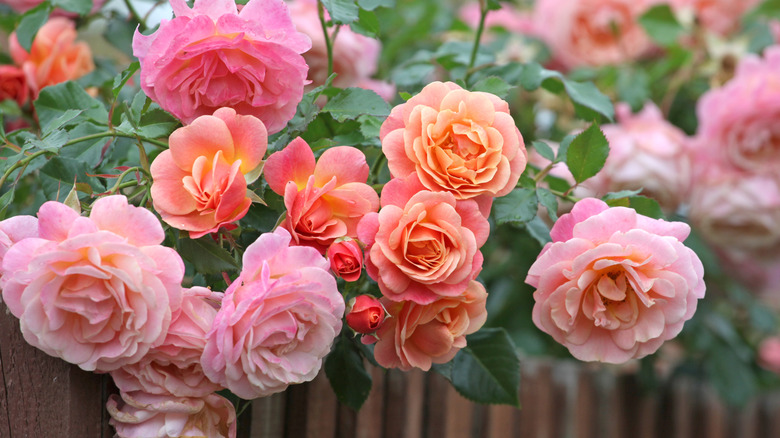
Meticulously maintained gorgeous rose (Rosa spp.) gardens are a great way to make your home look more elegant and charming. If your garden is looking a little bare or you want to gift some of your rose bushes to a loved one for their own garden, propagating them through cuttings is an easy way to do so. You can use either semi-hardwood or hardwood cuttings, so October is a good time to start. Semi-hardwood cuttings will root much faster, so you'll need to be patient if you're using hardwood cuttings. Roses are generally hardy in zones 5 through 11.
Abelia
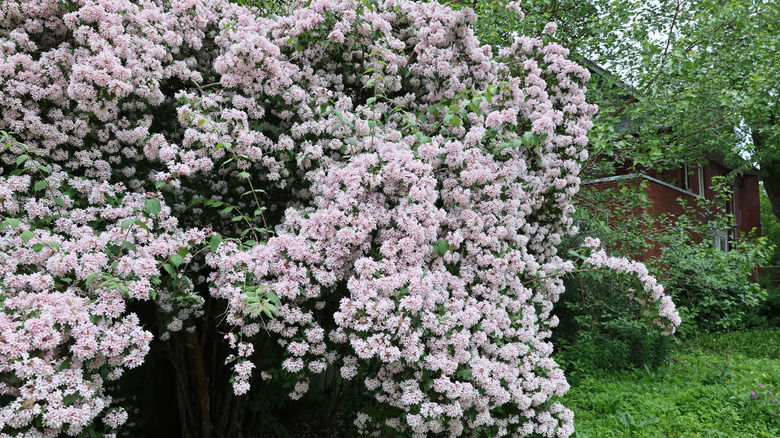
Beautiful flowering abelia (Abelia spp.) is a shrub known for being both hardy and gorgeous. If you have one you'd like to propagate, or have a friend willing to let you take a cutting for your own garden, then you're in luck. Abelia, which is hardy in zones 6 through 9, can be propagated with softwood, semi-hardwood, and hardwood cuttings. Hardwood cuttings tend to root slower, which may be disappointing if you live in a climate with colder Octobers. Take a cutting of 6 inches or longer, plant it in fresh soil, and keep it warm until spring arrives.
Red twig dogwood
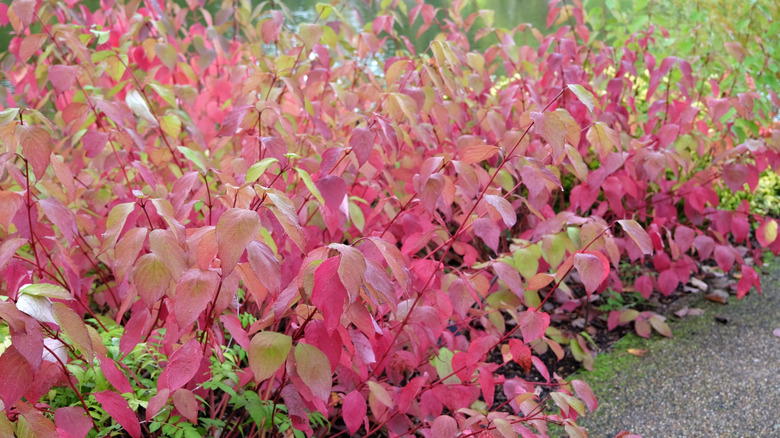
While many dogwood species are best propagated during the growing season, red twig dogwoods (Cornus sericea) are a great candidate for October cuttings. Plus, their red branches will provide some extra fall color wherever you're rooting them. If you aren't interested in propagation, you can take cuttings to use as seasonal decor. Hardwood cuttings generally have the best success. If you live in a warmer region, you may want to wait until late October or take a cutting from an older part of the branch to avoid semi-hardwood. Red twig dogwoods are hardy in zones 3 through 7.
Oregon grape
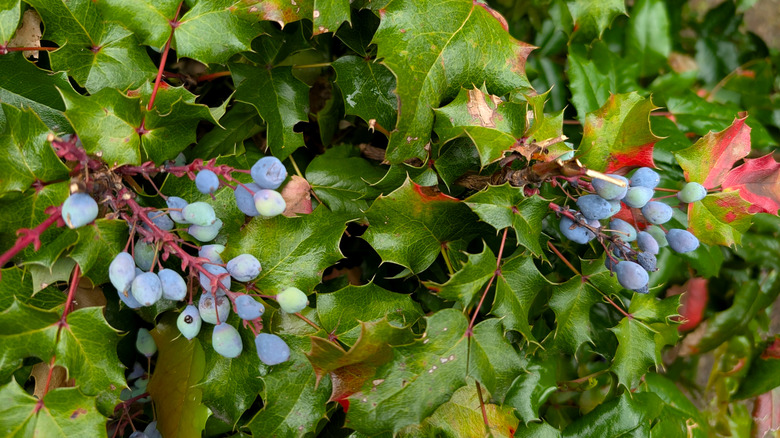
Don't let the name fool you, you can grow Oregon grapes (Berberis aquifolium) in most states, as it's hardy in zones 5 through 8. They aren't true grapes either, although the fruit clusters look similar. There are two reasons you may want to take some cuttings in October. You can propagate Oregon grapes from semi-hardwood cuttings from summer into fall. Alternatively, you can take cuttings to use as decor or as part of your harvest. While the berries are quite sour and can cause an upset stomach if you eat too many, some people enjoy the flavor.
Firethorns
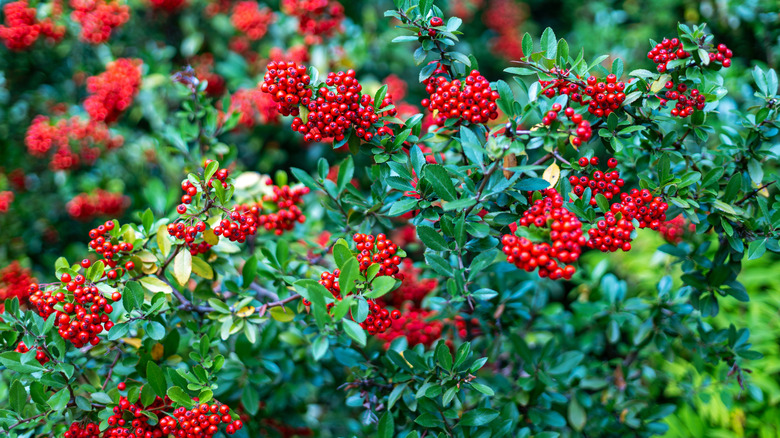
Firethorns (Pyracantha spp.) are evergreen shrubs named in part for their fiery orange berries that appear in fall and can last through winter. They're hardy in zones 6 through 8. Depending on the species you have in your yard, there are a couple reasons you may want to take cuttings in October. Firethorns can be propagated easily with semi-hardwood or hardwood cuttings. However, some firethorn species may become invasive in some areas. The seeds are spread when birds eat the fruit. You can take cuttings to remove some of the berries and even use them in your seasonal decor.
Cotoneasters
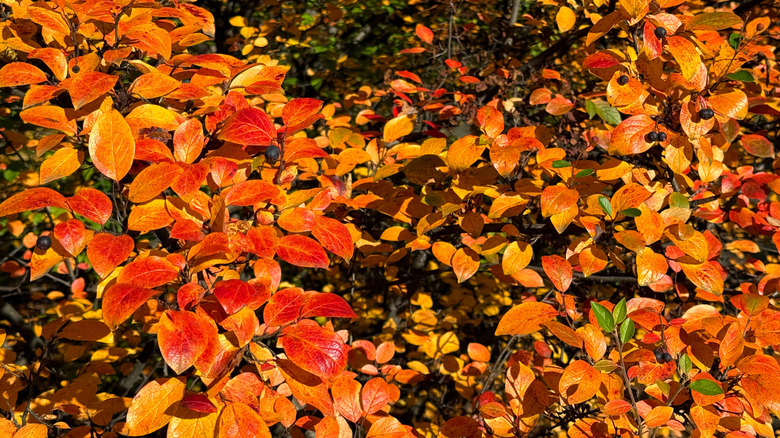
Cotoneasters (Cotoneaster spp.) are interesting plants. They're small to medium shrubs or trees with tiny leaves like a boxwood and red berries similar to a dogwood, but they're actually in the rose family. In October, you may be able to take semi-hardwood cuttings to propagate them if you live on the warmer side of their range. Their hardiness zone range varies by species, but they're generally hardy in zones 4 through 8. Don't worry if you live somewhere a bit colder, though. With their brilliant fall color and lovely berries, cotoneaster cuttings would make a lovely October door wreath.