

Help Keep Grass And Weeds Out Of Flower Beds With A Special Hydrangea Variety
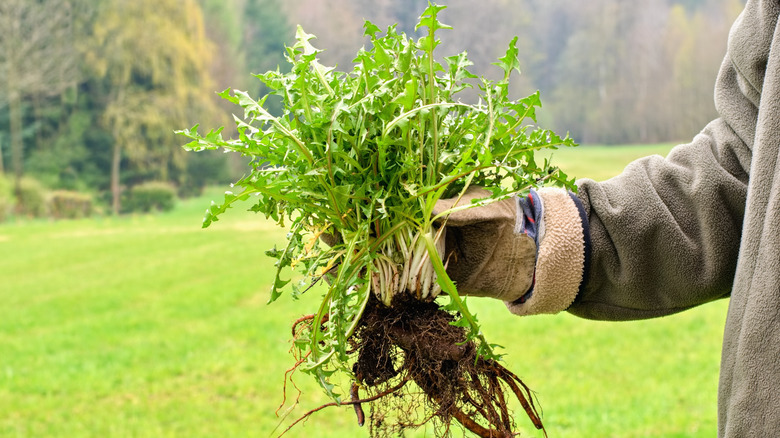
If you want a nice, neat looking flower bed, weeds can be a major source of frustration. There are a wide variety of safe and natural weed control options, but you don't always have time to pull them by hand. Luckily, adding a beautiful groundcover plant to is a good way to keep the weeds down and fill any empty spots in your garden. Now there's a new arrival on the scene that you shouldn't ignore. Groundbreaker hydrangeas are a new series of panicle hydrangea (Hydrangea paniculata) developed by Living Creations, a Dutch hydrangea growing company. Unlike other hydrangeas, groundbreakers stay low to the ground and spread horizontally, allowing them to snuff out weeds while still producing lovely, showy flowers in summer and fall.
Groundbreaker hydrangeas grow to just under a foot tall and spread a foot or two horizontally. Their short stems and wide leaves help block the soil beneath them, reducing the number of weeds that can sprout around them. They also don't spread aggressively, so you can add them to your garden without worrying about keeping them in check. Currently, there are three colors to choose from: pale pink Blush, darker pink Ruby, and aptly named Greeny. Another fun feature is that the flowers change color over the months they're in bloom, shifting from white to pink or green to white, depending on the variety. It's important to note that, like many new arrivals, they're only available through a limited number of retailers, and the plants are still fairly pricey.
How to grow groundbreaker hydrangeas
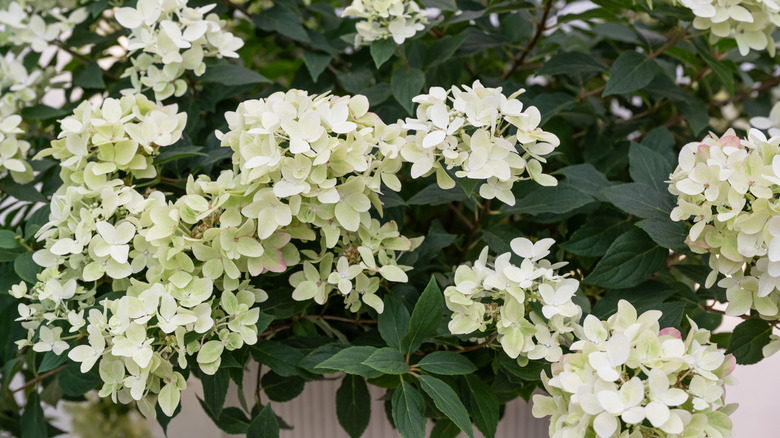
Groundbreaker hydrangeas are hardy in USDA zones 5 through 9. They can also be grown in containers if you want to enjoy the flowers, though they likely won't be useful for weed suppression outside of their hardiness range. If you're in a suitable zone, start by choosing and preparing your planting site. Groundbreaker hydrangeas thrive in full sun to partial shade. Avoid planting them in deep shade, as total shade often leads to fewer blooms in hydrangeas. That means you may need to choose a different flowering ground cover for around trees or other heavily shaded areas, but Groundbreaker hydrangeas are a good fit for sunny flower beds or lining pathways. They can grow in most soil types but do best in well-draining soil. You may need to loosen and amend your soil if it's clay-heavy, compacted, or slow-draining.
Next, carefully dig a hole slightly larger than the root ball of your Groundbreaker hydrangea and plant it. Make sure the roots are covered, but keep any part of the plant that wasn't under the soil in the nursery pot above the soil line. Water the soil around your plant regularly while it's getting established, and feed it with compost or a slow-release fertilizer to promote healthy growth. In spring, before buds begin to appear, prune your Groundbreaker hydrangea by cutting it back to about 7 or 8 inches above the ground. If you want to build a weed-free garden around these beauties rather than add them to an existing flower bed, check out this guide to companion planting with hydrangeas for ideas.