

How Often To Water New Grass Seed To Establish A Healthy Lawn
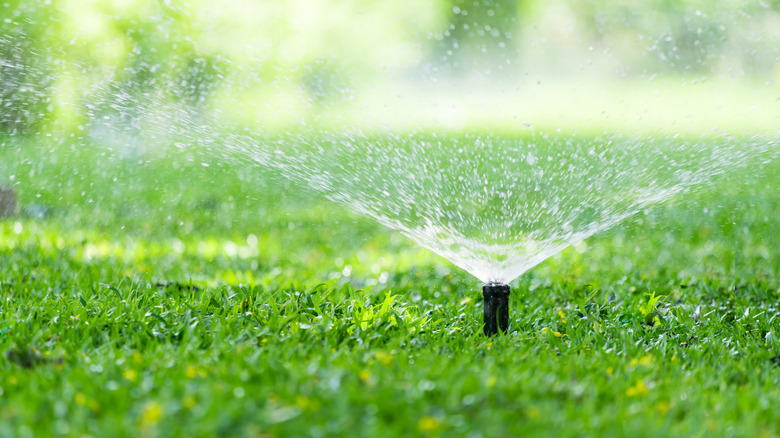
Just like in the vegetable garden or the flower beds, watering grass seed is an essential task. But how often should you be watering? There are several factors that come into play, such as what type of grass you have, what time of the day to water, but the basic formula is that you should water your new grass seed consistently for 1 to 2 weeks to help establish a healthy lawn.
The success of your new lawn watering actually begins before the seed is even sown on the ground. Watering the soil 6 to 8 inches deep will prepare it to take the seeds. After sowing, water the grass seed 2 to 3 times a day for at least 5 to 10 minutes to keep the soil moist and encourage the seeds to sprout.
Just as there is an ideal time of day for watering your lawn, so too is timing important when it comes to watering grass seed. You don't want to water it at the height of the day when the sun is at its hottest. Instead, aim for an early morning, mid morning, and late afternoon watering to give the seed and soil time to actually absorb the water instead of it being merely evaporated by the sun. You can stop watering this heavily once the grass seed has sprouted. Transition to a schedule of deeper, but less frequent watering, such as every other day, until the grass is fully established.
Adapt to grass types and watch out for warning signs
Your watering schedule will also depend on what kind of grass you have. Cool season grasses, such as Kentucky Bluegrass (Poa pratensis), are very tolerant of shade and therefore tend to germinate quickly, only taking 1 to 2 weeks to sprout. Warm season grasses, such Bermudagrass (Cynodon), are more needy in their watering and sunlight requirements, often requiring up to 4 weeks to germinate in plenty of sunshine. Your climate zone and soil will determine the best grass seed to plant for your lawn.
Environmental factors, such as excessive rain, heat, and cold could also adversely affect your new grass seed. Temps above 85 and below 55 degrees Fahrenheit are very difficult for grass to grow in, and will require you to adjust your watering schedule accordingly. The hotter it is, the more you need to water. The colder it is, the less water it needs.
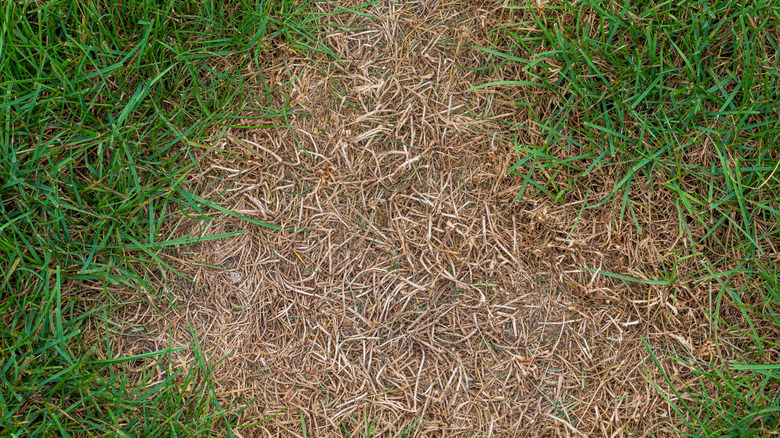
There are also some warning signs you need to watch out for. Overwatering can cause funguses like mushrooms to grow up around the new grass seeds, as well as overly soggy soil. You need things moist, but you don't want to create a pond. Conversely, under-watering will leave the soil and seeds dry, meaning the grass just won't grow. However, if you keep to the basic schedule, you should have a luscious lawn in a few weeks.