

Opossum Nests Look Different: Here's How To Identify One In Your Yard Or Garage
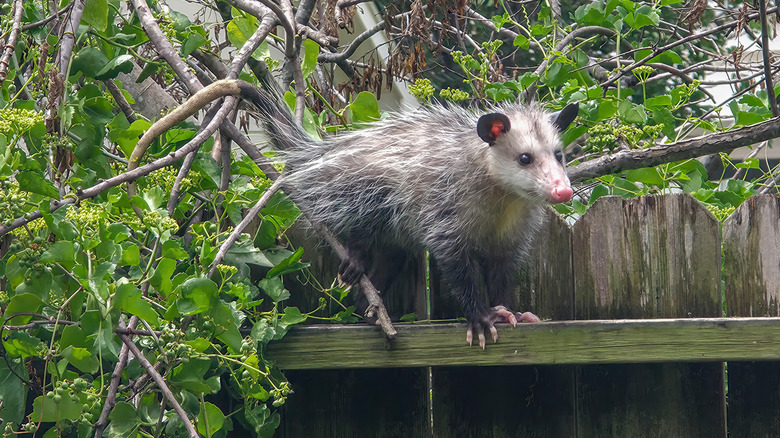
When considering common critters that may be running around your property, you might think of raccoons, squirrels, or even mice. However, opossums (Didelphis virginiana) are also common. They can be found in fields and forests, as well as suburban and urban areas alike, so chances are you might come across these native North American marsupials from time to time. Inevitably, opossum activity can also sometimes include their nests. If you've spotted some opossums and a nest around your property, you may be able to tell it belongs to these mammals based on the combination of materials used, as well as their location and other signs of opossum nesting activity.
Opossums can build temporary nests inside sheltered locations with a variety of natural and human-made materials. They are most commonly found in brush piles, hollows in logs or trees, and occasionally the abandoned burrows of other animals. Similar to mice in the attic, opossums can occasionally nest there, as well as inside wall cavities and in garages. According to the Opossum Society of the United States, opossums stay in their dens for only two or three days. However, they remain in their nesting areas longer than this during inclement weather.
They typically use a variety of nesting materials. Some of the more common include grasses, leaves, twigs, small branches, fabrics, and even plastic. The nest may be hard to see because adults pack the entrances to their dens for security and insulation. The nesting materials used help determine if the nest is that of an opossum or a raccoon. Unlike opossums, raccoons do not gather materials for their dens.
Other key signs of opossum nesting activities
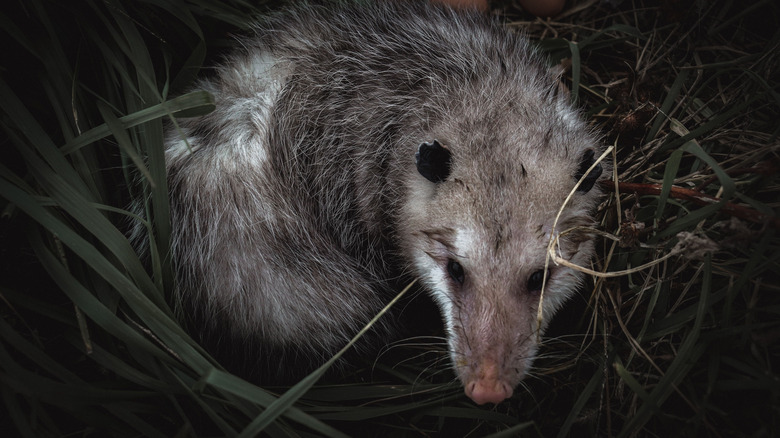
If you have known opossum activity, it's worth being on the lookout for possible nests between January and July. According to the University of Florida, opossums may have 1 to 3 litters during this time every year. Interestingly, opossums primarily transport items for their nests by carrying them in their tails, so it is possible to see nesting materials on the ground that they dropped from their tails during transit. In other words, if you have seen an opossum around your property and spot unexplained trails of leaves, fabric, twigs, and other nesting items, they may be actively building a nest in the vicinity. Indoors, you might hear opossums moving around their nesting areas and vocalizations such as hissing and chittering.
Of course, another key sign of an opossum nest in your yard or home is seeing babies or adults in the area. However, since opossums are nocturnal, it's very unlikely you'll see them building nests during the day. For reference, an opossum is similar in size to a raccoon or a large domesticated cat.
If opossums nesting around your yard and they aren't disturbing anyone, it's generally best to let them be until they move on from their dens. Contact a professional wildlife removal expert for help with nests in a garage. Never attempt to handle the animals or help baby opossums in your yard on your own, as it is possible for opossums to bite when threatened. They can also transmit numerous diseases to humans, so it's best to exercise caution around them.