

9 Perennials To Plant In September That Are Almost Impossible To Kill

It's September, summer's over, and you're getting your garden ready for the winter. That means clean-up and harvesting, rather than planting, right? Not so fast — some perennials actually benefit from exposure to the cold, rewarding you with beautiful spring flowers if you plant them in September. From bulbs to seeds to bare-root plants, there are plenty of popular perennials that can go into the ground this month without being killed off by the frost.
Plants that grow from bulbs, like daffodils and crocus, use their time underground over the winter to gather up the energy they need to grow roots and push out of the ground come spring. The seeds of certain other perennials, like milkweed and coneflower, need to undergo a process called cold stratification before they can germinate. That's a fancy way of saying the seeds require a period of cold temperatures, which the winter naturally provides.
September is the ideal time to get the seeds and bulbs of certain perennials in the ground so you can enjoy their flowers when spring arrives. It's also the perfect time to give your garden one last gasp before winter's arrival. Perennials like hardy mums and coneflower will add a bit of autumnal color to your garden before going into hibernation for winter.
Daffodils
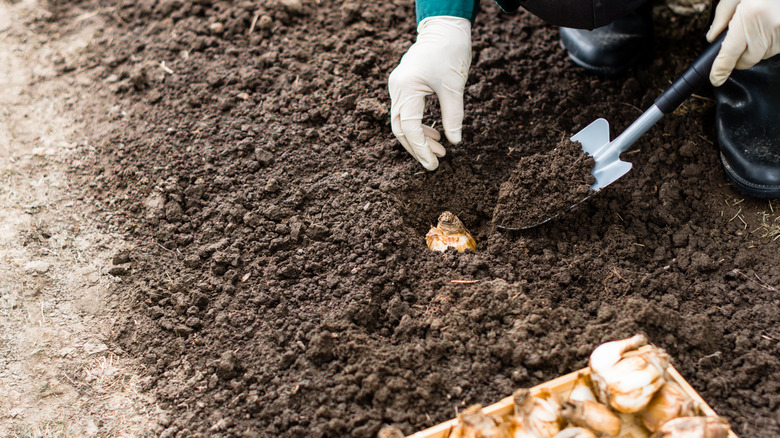
Sunny yellow daffodils (Narcissus, zones 4 to 8) are among the first flowers to rise in the early spring (as early as February in some places). Before you can get those cheery flowers, though, you need to plant their bulbs in the soil. Depending on your location, September can be the perfect time to plant daffodils, as you should get the bulbs in the ground anywhere from two to four weeks before the first frost. In colder areas, that'll be earlier in fall. Gardeners in warmer regions may need to wait until late October or November.
Rhododendrons and azaleas
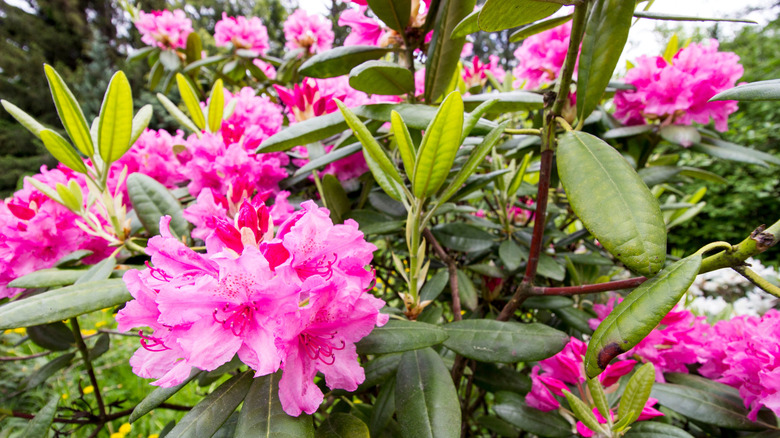
Hardy in zones 4 to 8, rhododendrons and azaleas (Rhododendron) benefit from a September planting in warmer areas or in regions with mild winters. The cool temperatures of fall and winter give the roots time to get established, setting them up for bountiful blooms come spring. When planting rhododendrons and azalea, choose a spot with well-draining soil and full or part-sun. Water the plant well and loosen the root ball before planting. Add a layer of mulch at least 5 inches away from the shrub's trunk to help keep weeds away and keep the soil moist.
Hardy mums
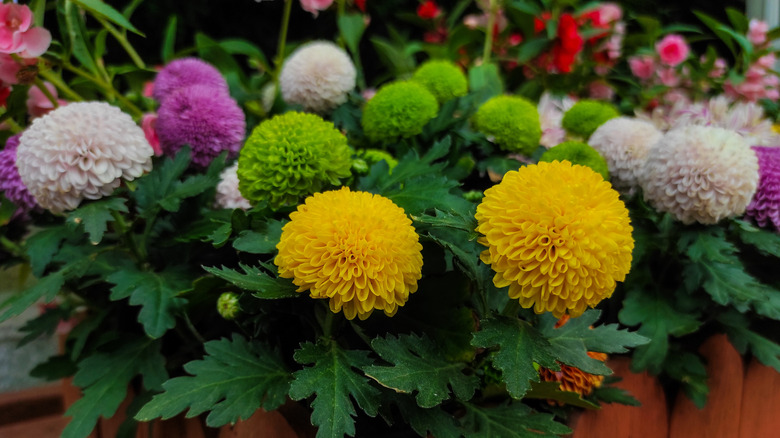
A sure sign that fall has arrived is the appearance of pots full of colorful mums. While those potted flowers are technically perennials, the way they are cultivated and grown makes it difficult for them to come back again in the spring, so most are treated as annuals. However, hardy mums (Chrysanthemum Rubellum Group, zones 4 to 8) are built for repeat growth. When planted in September, they'll bloom until frost and then return again the next season. Like the potted plants you see at the grocery store, hardy mums are available in many colors.
Milkweed
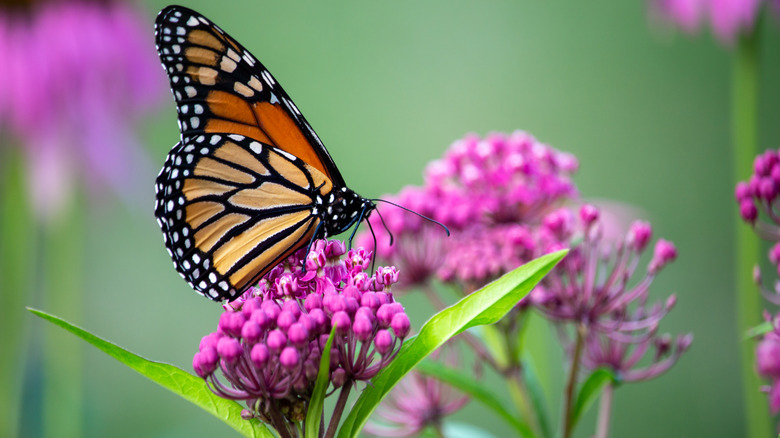
Common milkweed (Asclepias syriaca, zones 3 to 9) is a plant that can help pollinators do their job, as it's the primary food source for monarch butterfly caterpillars. It's also a plant that needs a period of cold for its seeds to germinate, so planting it in September is ideal. To plant the seeds, wet the soil, make a hole in it with your finger, and place a seed inside. Cover the holes with soil. The seeds will benefit from the winter's chill and will germinate, growing once spring arrives.
Coneflower
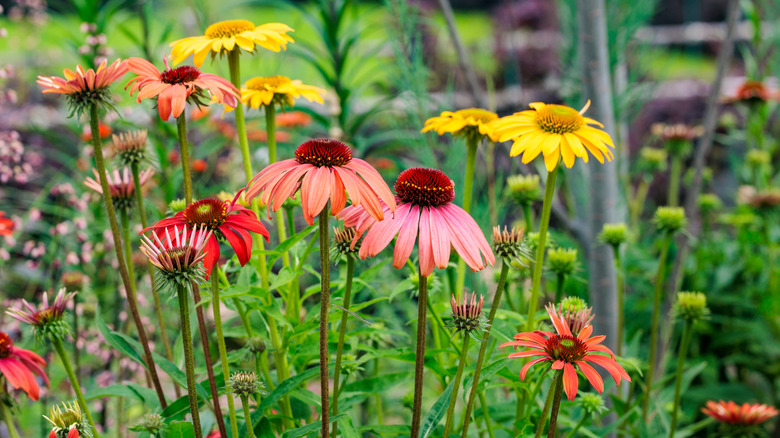
To attract even more butterflies and pollinators to your garden next spring, plant coneflower (Echinacea purpurea, zones 3 to 8) this September. You have two options for fall-planting coneflower: Either plant the flower itself to give your garden immediate fall color, with flowers in shades of purple, pink, gold, or orange, or plant seeds now for blooms later. Like milkweed, coneflower seeds need a period of cold stratification, so they should ideally be in the ground 12 weeks before the first frost in your area. Plant the seeds ¼ inch deep in moist soil and wait for spring.
Crocus
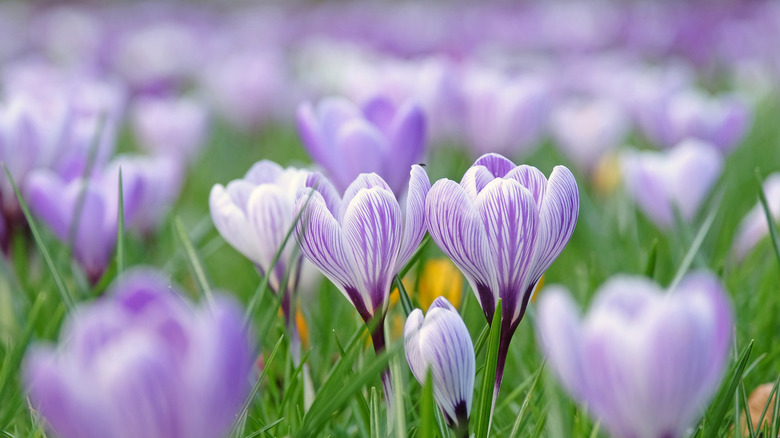
Petite and purple, crocuses (Crocus) pop out of the soil even earlier than daffodils. Like daffodils, they grow from bulbs that get planted in the fall. In colder areas, that can be as early as September, once temperatures have fallen below 60 degrees. There are actually two types of crocus — those that bloom in spring and those that bloom in fall. A fall-blooming variety like C. sativus (zones 5 to 8) will grow and bloom right away and return again next fall. C. vernus and C. tommasinianus (zones 3 to 8) are spring-blooming varieties.
Carolina jessamine
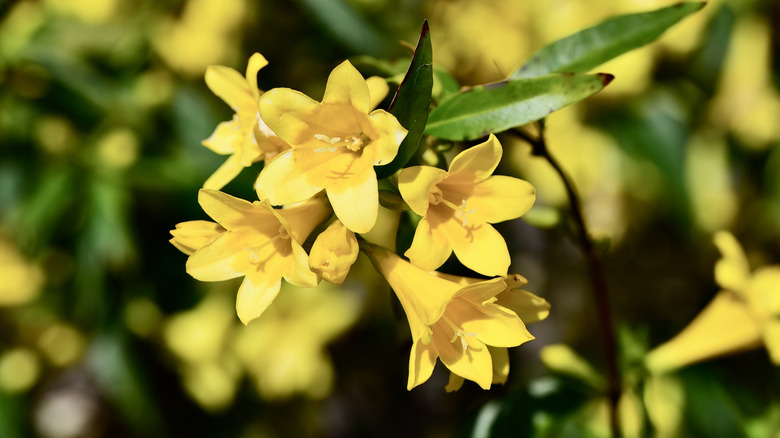
The state flower of South Carolina, the aptly named Carolina jessamine (Gelsemium sempervirens) produces a bounty of yellow, deliciously-scented flowers on a trailing vine. Hardy in zones 6 to 9, you can plant it from a container once temperatures have cooled down in the fall. Once established, you can train it up a trellis or let it sprawl out as a ground cover. Two things to note about Carolina jessamine: it's very poisonous, so use caution if you have pets or children, and it's very flammable, so plant at some distance away from your home.
Yarrow
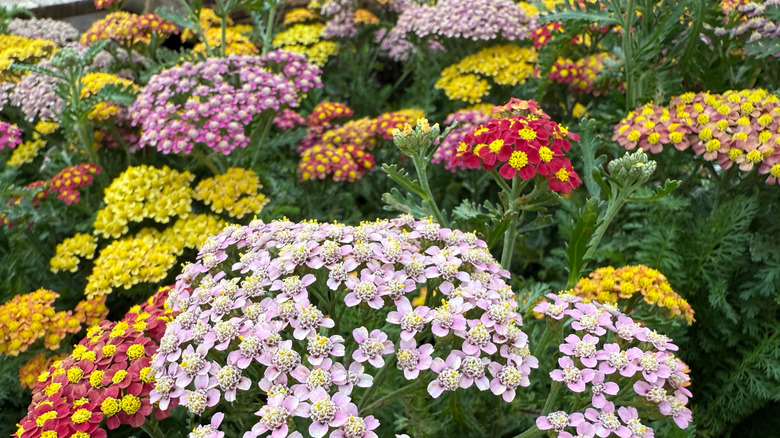
Common yarrow (Achillea millefolium, zones 3 to 9) is another colorful perennial that's perfect for planting as a transplant in September, or no later than six weeks before your area's first frost. Beyond its beautiful flowers, yarrow is resistant to deer, drought-tolerant, attractive to pollinators, and may help to keep fleas and ticks away. Yarrow spreads in two ways: by underground runners (or rhizomes), and by self-seeding. So once it's in your garden, it might be there for good.
Peonies
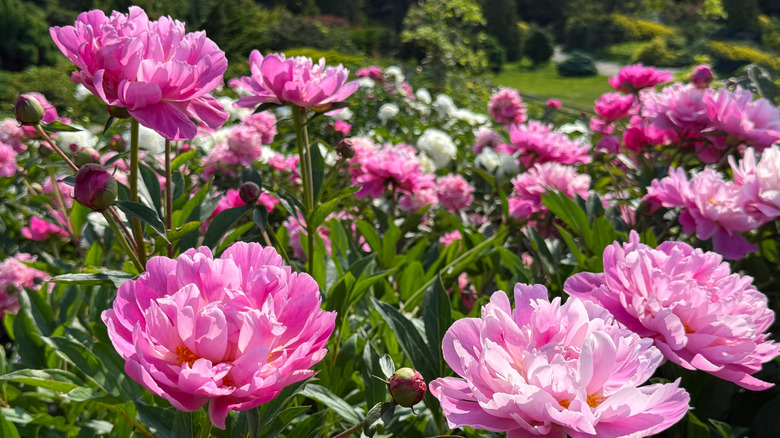
If you plant peonies (Paeonia spp., zones 3 to 8) in the spring, you can plant nursery plants. In September, it's a different story. Now's the time to plant bare-root peonies, which are dormant forms of the plant. They won't look like much now, but come spring, they'll give you the bold and beautiful blooms you expect. To get those springtime blooms, be careful not to plant the roots too deeply this fall. Place them just 2 inches deep, then cover them with a layer of mulch to protect them from winter's chill.