

What Happens If You Never Clean Your Septic Tank?
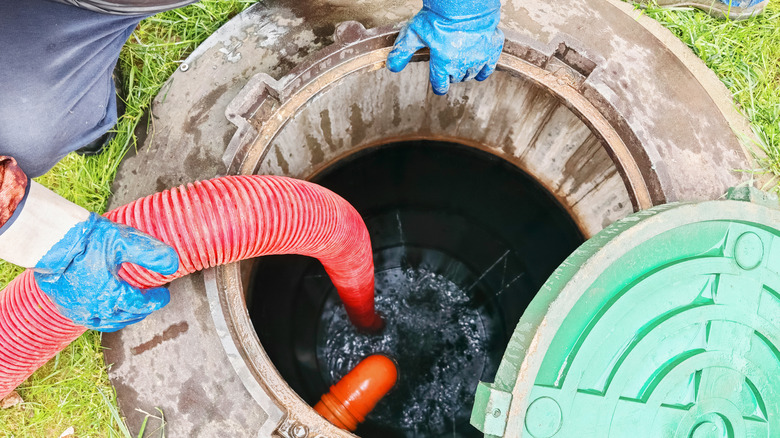
One of the most common questions homeowners have about septic systems is whether they need to be cleaned or not. The short answer to this question is: yes, they do. A well-maintained septic system can easily last upwards of 25 years or more. But what exactly happens if you never clean your septic system? There's a short answer to that, too: things you never want to see happen to your house.
Anyone who finds themselves owning a home with a septic system needs to understand how the system works. All of your home's wastewater, such as the water from toilets, is discharged into an underground tank that holds as much as 2,000 gallons. The waste splits into three levels: the bottom consists heavy solids eaten by already present anaerobic bacteria, the middle is effluent that is drained into a drainage (or leaching) field, and top layer is scum made up of grease and oils.
Even though the anaerobic bacteria eat upwards of 60% of the heavy solids, the sludge and scum will continue to accumulate over time and cause problems for the whole system. The things you could experience include — but are not limited to — slow drainage, sewage backup, drainage field damage, water contamination, and total system failure that can cost a boatload to fix.
Warning signs of an unclean, failing septic tank
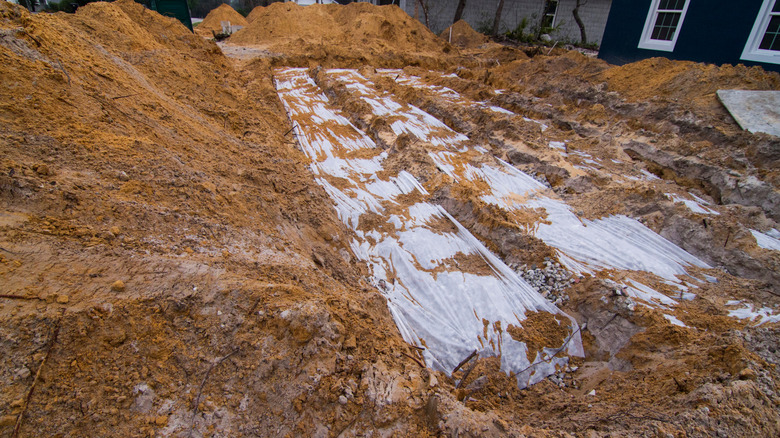
There are several warning signs that you need to watch out for when it comes to your septic tank. One common problem people might see with their septic tanks is bright patches of green grass or pooling wastewater in their drainage field. This means that the tank itself is likely overfilled, and the floating scum and sludge have made their way out of the tank, clogging the drainage pipes. This untreated, raw sewage can cause water contamination, which can easily cause illness in humans and animals.
Even before the field turns green, however, an early sign that you might have a problem with your tank having not been cleaned or pumped is slow drainage from toilets, sinks, or bathtubs. Granted, this could also be due to other reasons, like simple clogs from hair. But if the drainage yields a sewer smell, that's a guarantee that a backup is imminent. Sewage backup into your toilet or sink is another sign of blocked inlets in the tank, leading to an unhealthy (and frankly gross) situation.
None of this is going to be cheap to fix. According to the Environmental Protection Agency and The Septic Guide, repairing or replacing a malfunctioning system can cost anywhere from $5,000 to $30,000. Worse yet, this price doesn't include any cleanup or other indoor plumbing replacements that would need to happen if the backup was significant enough to cause damage
How often should you clean your septic tank
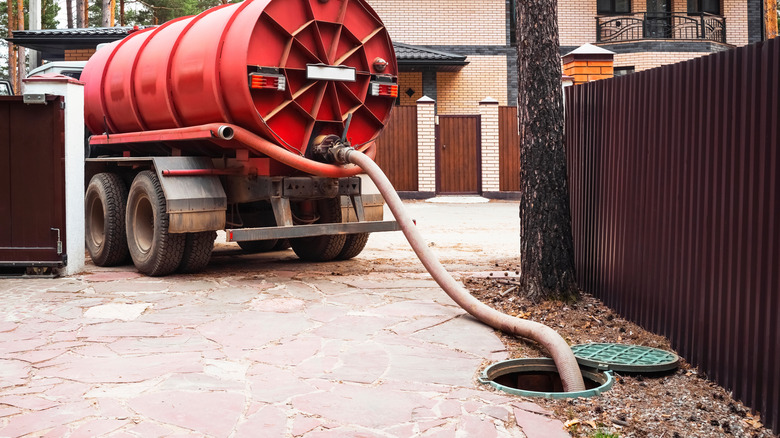
The relatively good news is that it takes several years' worth of neglect for a septic system to display the types of failure that would lead to expensive repairs. You will typically start to see the warning signs of system issues begin between the third and seventh years of not cleaning the tank tank, with really dramatic failures occurring after that time. This is exactly why you need to be in the habit of regularly having your septic tank pumped and cleaned by professionals.
The frequency you do this depends on the size of your household. Smaller households of one to two people can get away with waiting three to five years to have their tanks pumped, while larger households should clean them on at least a bi-yearly basis. The EPA estimates the average cost to be between $250 to $500. That's not a small sum, but it's better than facing down the costs of system failure due to neglect.
Another thing you could do would be to utilize additional bacteria and enzyme treatments to aid in the breakdown of the grease scum and solids. This is not an alternative to pumping; rather, it's an additional tool that can help in maintenance. You can either purchase septic treatment like Green Gobbler or make your own using household ingredients. Either way, if you keep on top of your septic maintenance, you shouldn't have any issues.