

What Happens If You Never Clean Your Gutters?
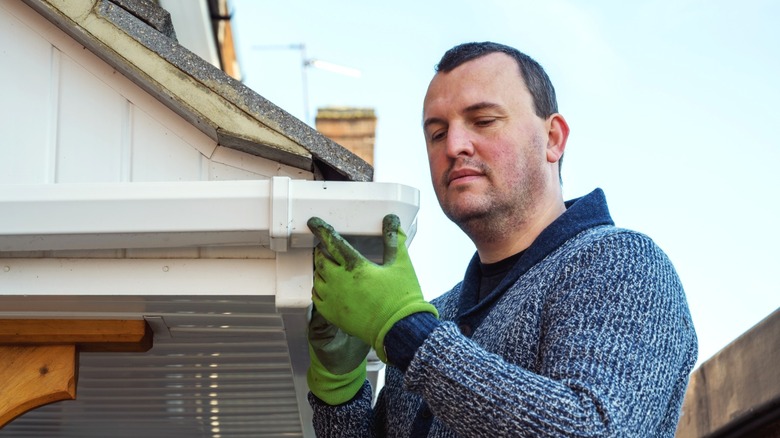
It's easy to forget to clean your gutters or try to avoid the painstaking chore altogether. Nobody enjoys digging through stinky, wet leaves while balancing on a ladder, but neglecting to do this will eventually lead to serious issues. If you never clean them, leaves, pine needles, twigs, and other outdoor debris will gather inside the channels and downspouts. Over time, the gunk will accumulate and cause clogs. And once that happens, rainwater can end up going everywhere except where you want it. Clogged gutters are responsible for a myriad of problems, particularly water damage. Your roof, foundation, and the structural components of your home become at risk, as well as your patios, driveways, and landscaping. Not only that, but the gutters themselves can break.
While it's a labor-intensive job, cleaning your gutters will prevent costly home repairs in the future. Keeping them clear is an easy DIY maintenance tip that can extend your roof's life and protect your house from unnecessary damage. If you notice they are constantly overflowing after it rains or the pipes are sagging, this likely indicates that it's time to clean them out before bigger problems occur. You may also notice an increase in puddles around your home or stains on your siding if your gutters are clogged. These warning signs are worth addressing early, before a minor blockage becomes a much bigger drainage problem.
Serious repercussions of clogged, neglected gutters
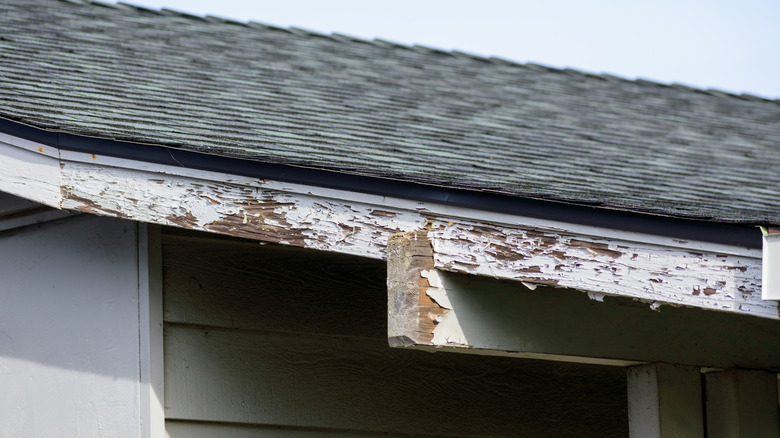
When debris builds up and blocks your gutters, rainwater cannot properly flow off your roof and away from your house. The fluid often gets stuck along the roofline or gathers on the top of your house. Eventually, the shingles will wear out, and the roof will begin to rot, leading to leaks or even collapse. In some cases, water will run off, continuously flowing down the side of the building. This can damage the siding and windows on the exterior of your home, but it may also work its way into your walls. Water stains will scar the ceilings and walls in your house, and the drywall and insulation inside can be ruined. Persistent moisture can also encourage mold and mildew growth, adding another problem to an already expensive repair.
Gutters are intended to carry water away from your home, but clogs can cause it to collect around the foundation, which can crack and flood your basement. The ground around the house may also be eroded by excess water, causing structural shifts and weakening your home.
The wet leaves, sticks, and water in the units are also attractive to pests. If you want to keep rats out of your gutters and prevent mosquitoes, ants, termites, and other pests from invading your space, it's crucial to keep things clear. They can even become so clogged that plants begin to grow in them. In other words, a neglected gutter can eventually become a miniature garden you definitely didn't plant.
How to clean your gutters to protect your home
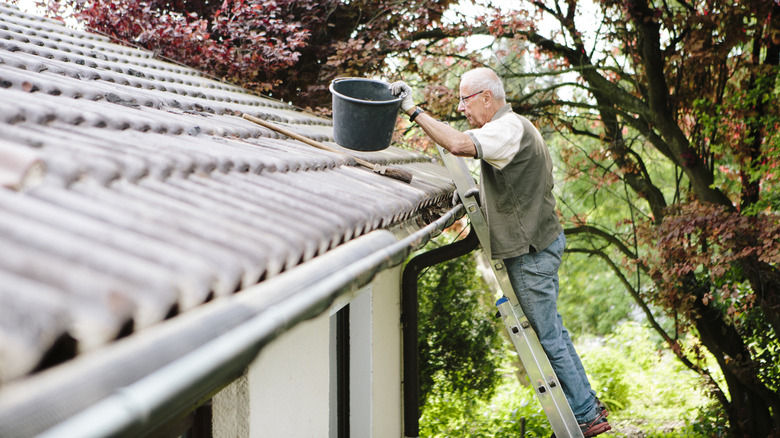
Rather than waiting for clogs to wreak havoc on your home, learning how to clean your gutters and downspouts will help prevent costly repairs. If they are already blocked or in need of repairs, hiring a professional may be the best option. However, cleaning them yourself every spring and fall will help to ensure that your roof, foundation, and overall property are safe from unnecessary water damage. Homes surrounded by lots of mature trees may need more frequent attention, particularly after heavy leaf drop. While clearing debris, use a reliable ladder on a level surface to prevent falls. Wearing gloves and goggles will also help to protect your skin and keep dirty water out of your eyes.
Once you're up by the roof, manually pull the debris out. Scoops or shovels can be purchased specifically for this task, though small gardening tools work just as well. Drop the leaves and twigs into a bucket. Consider lining it with a garbage bag first to make cleanup easier. Once you've gotten as much of the gunk out as possible, use your hose to rinse and flush everything. This will allow you to see if water flows properly.
If there are a lot of trees around your house, a gutter guard will help to prevent leaves from falling into your system. However, even guards need to be inspected and cleaned periodically — so they're not a substitute for regular maintenance.