

The Safest Way To Test If Your Vintage Dishware Contains Lead
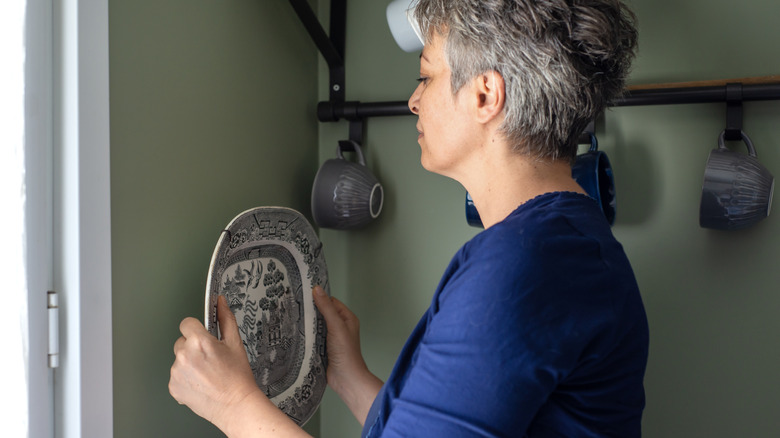
Vintage dishware is gorgeous, historically interesting, and potentially even valuable. Unfortunately, it can also be dangerous, as lead used to be added to many paints to preserve it and help it dry faster. We now know how dangerous lead paint is, but the lead paint already in existence didn't just vanish. Vintage dishes were commonly coated in lead paint, and you can come into contact with lead through them if you aren't careful. You can test your dishware for lead paint, however, using an EPA-approved lead testing kit. These can be bought at hardware stores and online, letting you swab your dishes to check for the presence of lead in well under an hour.
The Environmental Protection Agency (EPA) recognizes three lead-testing kits that meet its high standards for detecting lead in various surfaces: the D-Lead, LeadCheck, and State of Massachusetts kits. It's important to note that they're only guaranteed to work on certain materials, and ceramics don't make the list. Despite this, though, the Food and Drug Administration recommends using testing kits to check for lead in dishware. They are still able to detect lead in dishware, particularly if the lead is present in high amounts and in areas where the glaze is particularly worn from contact. While they aren't a perfect science, these tests can help identify vintage dishware with dangerous levels of lead. Be sure to follow all the instructions in the box, and consider testing a dish multiple times with fresh tests to be extra safe.
What should you do after testing them?
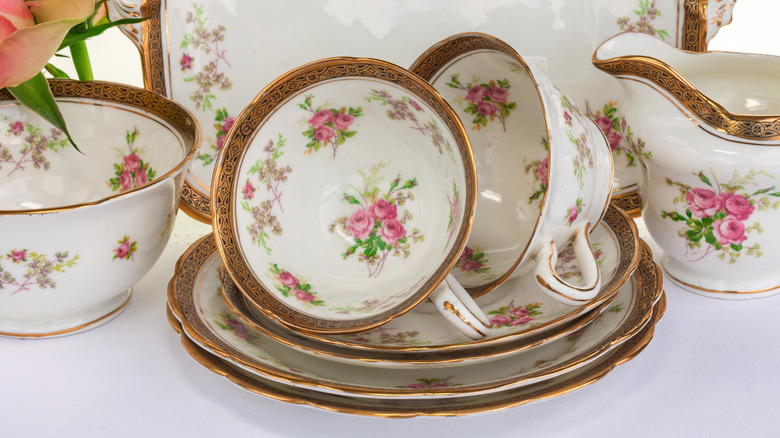
Testing your vintage dishware should help you identify the riskiest pieces in your collection, but you may be left wondering what to do with them afterward. Dishes that test positive for lead should never be used for meals, as the lead can leach into the food and make you sick. If you bought the dishware for display, make sure to wash your hands after touching it to avoid transferring lead dust from the plate to your mouth. Keep it out of children's reach as well. Consider turning your vintage plate into a wall clock as a way to safely enjoy it. Just avoid scratching or chipping it, as you won't want the lead glaze to flake off.
If the vintage dishware tests negative, you have a few more options for what to do with it. You can turn your old plates into cute hanging storage, hang them just for decoration, or use your bowls to store loose change. Still, some owners choose to use them for their intended purpose. Since the tests aren't 100% effective, there's still a chance the dishes contain undetected lead. If you decide to use them, consider limiting their use rather than using them regularly. Avoid using them to serve people at higher risk levels, such as children and pregnant people. Also, avoid heating the plate or exposing it to acidic foods, as this can increase the risk of lead leaching from the pottery.