

Forget Traditional Asphalt Driveways: A Long-Lasting Option For Rainy Climates
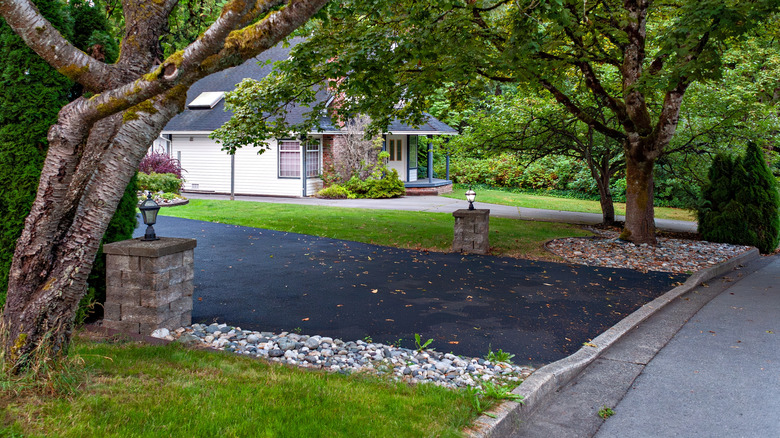
Your driveway should be a smooth, easy avenue on and off your property, but it doesn't always work out that way. Heavy rain can widen existing cracks in asphalt pavement, causing it to weaken and leach oil. If you're choosing a driveway material and think this means you need to avoid asphalt entirely, there may be another option. Porous asphalt is a type of permeable pavement, meaning water can pass through it instead of pooling on the surface. It looks just like regular asphalt and is tough enough to drive on, but it contains larger aggregate pieces. These pieces create gaps in the asphalt that water can drain through. This means you're less likely to have pools of water sitting on the asphalt and wearing it down, which is useful if you live in a particularly rainy climate.
With proper installation and maintenance, porous asphalt can last 15 to 20 years and may last longer. This puts it on par with traditional asphalt in most cases, but with heavy rainfall shortening your asphalt's lifespan, porous asphalt wins out. In addition to extending its lifespan, porous asphalt is somewhat more environmentally friendly than traditional asphalt. Since the rain can drain through it, it's able to enter the ground where it falls instead of becoming storm runoff. This can also be helpful if you're paving a driveway over tree roots, since traditional paving materials can prevent water from reaching them. Additionally, porous asphalt is typically installed with a gravel base, which discourages tree roots from growing up through it and damaging your driveway.
What to know before installing porous asphalt
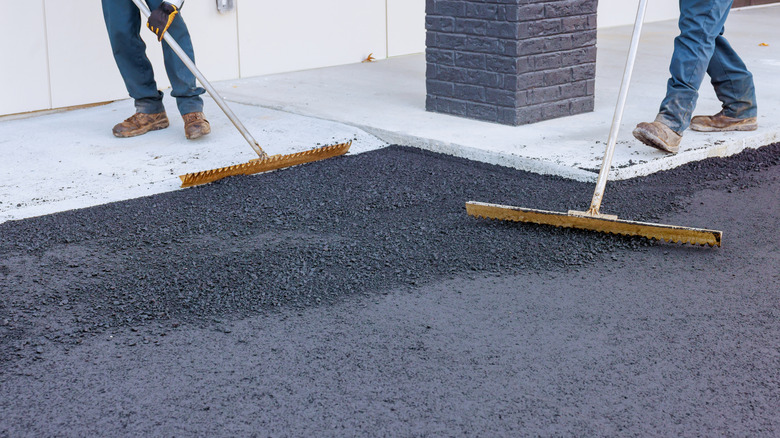
Porous asphalt does have a higher up-front cost than traditional asphalt. Traditional asphalt typically costs around $4 to $6 per square foot, while porous asphalt runs between $6 and $15 per square foot. However, if you live somewhere with heavy rain and find yourself replacing or repairing your asphalt driveway often, then it may save you time and money in the long run. Additionally, it may be worth it if your driveway is low-lying and tends to flood, even if you wouldn't describe your region as particularly rainy, or if you're particularly eco-conscious. A potential downside is that porous asphalt installation isn't easy to DIY unless you have prior experience. If handling your own projects is a deciding factor for you, then consider eco-friendly grass pavers instead.
The larger aggregate pieces give porous asphalt a slightly rougher texture than you might be used to from standard asphalt. This can actually be beneficial, as it provides more traction for you and your vehicles. However, the gaps in that texture do add to your regular driveway maintenance routine. Sediment, dust, and dirt can become trapped in them over time, and they need to be cleaned out in order for it to function properly. If you aren't interested in adding to your outdoor chore list, then porous asphalt may not be for you. However, it isn't particularly difficult to maintain. You can clear out clogged porous asphalt by vacuuming or power washing it. Plus, regular cleaning will keep it looking its best.