

Neither Gravel Nor Concrete: The Eco-Friendly Driveway Alternative For A Natural Look
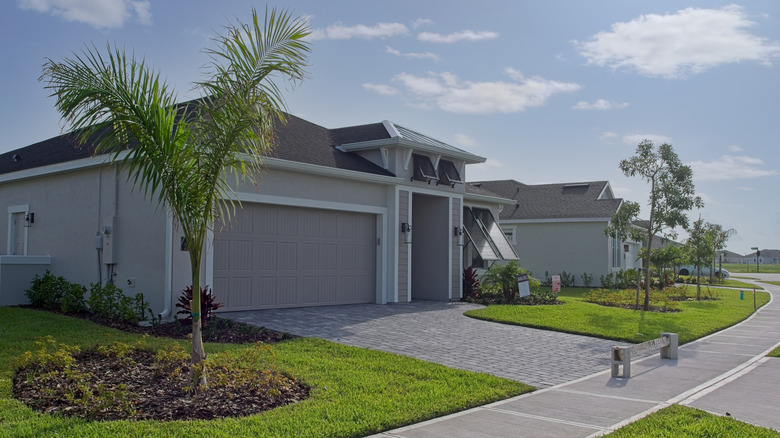
Even though their clean lines and durability add to curb appeal, impermeable driveway surfaces like concrete and asphalt can create significant problems. They can flood, and they waste valuable stormwater by diverting it to drainage areas instead of letting it soak into the ground where it can replenish the water table. This is a growing problem in large urban areas, where runoff from roads, parking lots, and driveways contributes to the pollution of rivers and streams. The eco-friendly solution is to choose a permeable material, and while gravel is a common choice for building driveways, grass pavers are a more luxurious option that will blend seamlessly into the surrounding landscape.
No, grass pavers aren't pavers made of grass. They're modular cells made of concrete or plastic that allow grass to grow through. The cells form a grid that disappears under the grass once the driveway "matures." You'll know the cells are there, though, because they support your vehicle.
You can install interlocking concrete or plastic grass pavers individually, or you can purchase rolls that you simply roll out to cover the driveway area. Plastic pavers are almost always made from recycled materials — which is another benefit for the environment — and when installed properly with a stable and well-draining sub-surface, they'll eliminate drainage problems like excessive runoff and standing water while making it possible for cars to park on what looks like your lawn.
Installation details and some perks and drawbacks of grass pavers
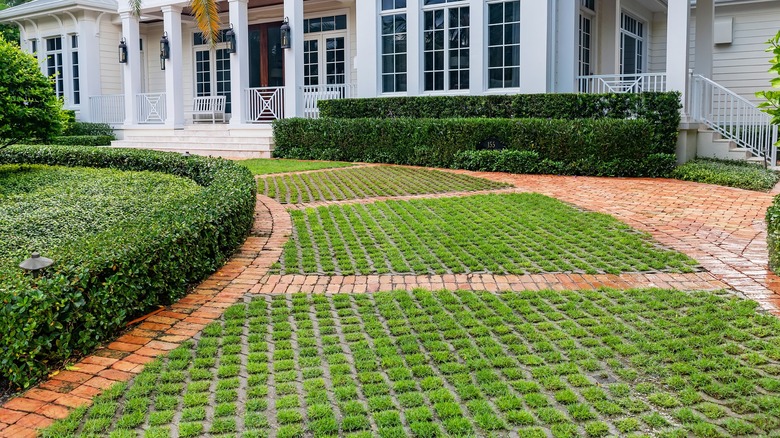
The procedure for installing grass pavers is similar to how one would install bricks or other types of pavers. You need to excavate deep enough to accommodate a 6-inch gravel base, along with the pavers themselves, which may be 2 to 3 inches thick, depending on type. After excavating, you level the ground and place a weed barrier to prevent weeds from overtaking the grass that will grow through the paver cells. Next, you spread gravel, compact it with a tamper, install the pavers, and spread a layer of topsoil to fill the paver cells. The YouTube channel Bring Your Own Tools breaks down this process in a helpful video.
The final step is to sow grass seed, and while the type of grass is your choice, a drought-tolerant variety like buffalo grass needs less water than other types and is hardy enough to stand up to the abuses of vehicular traffic. If you live in a region with ample rainfall, other hardy grasses you might consider include Bermuda, St. Augustine, and different cultivars of zoysia.
Besides preserving groundwater and controlling runoff, grass pavers don't trap heat the way concrete and gravel do, so they help keep the surroundings cooler in hot weather. On the downside, they're more expensive than concrete or asphalt, they don't last as long, and they require more maintenance, such as weeding and mowing. If the grass dies because it hasn't been properly maintained, your driveway will turn into a muddy mess instead of a lush, green feature of your property.