

You Can Do Better Than Wood: The Rustic Raised Garden Bed Material That Lasts Decades
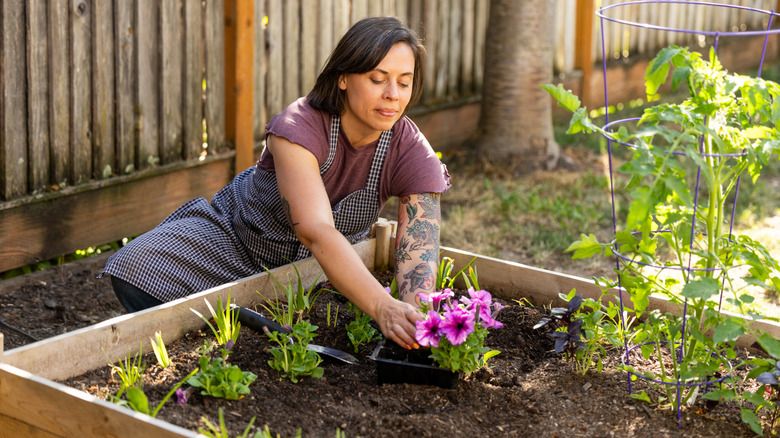
Raised garden beds come with a host of benefits, not least of which is their charm and beauty. Whether you want to grow fresh fruits and veggies or start a raised flower bed to take your garden to the next level, one of the things to decide is which material to use to build raised beds. Wood is a classic option, and it does look beautiful. However, it can deteriorate quickly if you aren't careful, potentially leading to repairs and replacements before you'd planned on it. Before you make your final decision, there's another option. Corten steel, also called weathered steel, is a type of steel designed to rust quickly without compromising its structural integrity, allowing it to last longer with less maintenance.
Metal that rusts may sound counterintuitive, but there's actually a few benefits to it. Since the surface of Corten steel is designed to develop the patina quickly, your raised garden bed should spend less time in that unfortunate splotchy stage. If you're a fan of the 2026 planned patina trend, the end result will probably be appealing. More importantly, Corten steel is designed to be durable. The surface develops a nice rusty color, but it doesn't eat through the metal like rust normally does. This allows it to last for decades without paint or sealant, as opposed to wood which generally lasts 5 to 10 years.
What to know before getting Corten steel for your raised garden
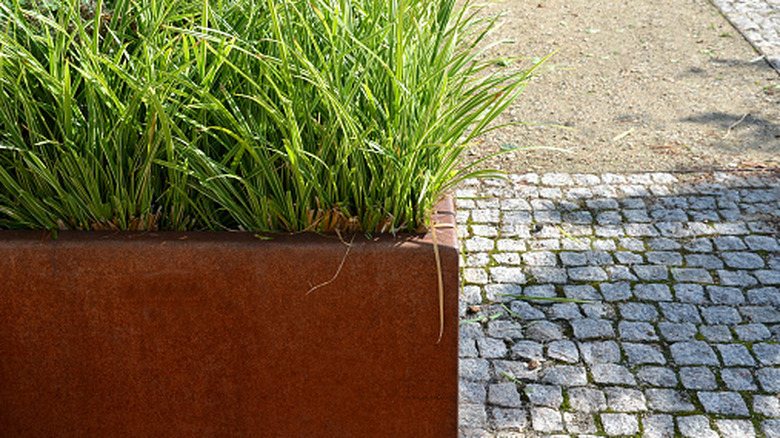
Weathered steel does have plenty of benefits, but there are still some things to be aware of before you start building your raised garden bed. As with any rusted or patinaed surface, there may be some staining to surrounding materials. If your raised garden bed is on your patio, this could be annoying. Brushing up on how to remove rust stains from concrete, brick, or pavers may be a good idea. Alternatively, situate your garden bed away from any materials that you don't want stained.
Compared to wood, Corten steel does have one major downside. It has a higher upfront cost, particularly when compared to raised beds made from scrap wood or leftover wood pallets. The initial cost is several times higher than wood, so it isn't a great choice if you're on a tight budget. However, if you have the wiggle room for the higher cost, weathered steel may win out over time. Since it lasts much longer than wood, Corten steel is a better fit for permanent raised garden beds. If you're worried about the rust flaking into your garden soil and harming you or your plants, you can breathe a sigh of relief. It is considered non-toxic and safe for growing edible plants like fruits and vegetables. Additionally, the metal is recyclable, so you can swap it out for a different material at a later date without guilt.