

Do Insurance Rates Go Up After A Flood Claim? Here's What You Need To Know
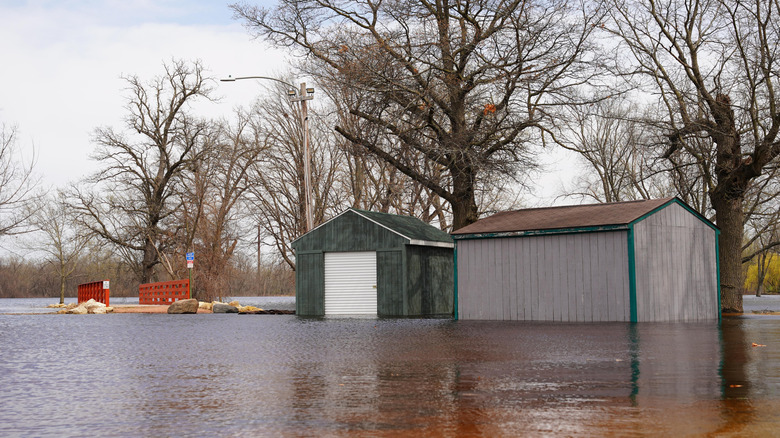
Floods are devastating, but having flood insurance alleviates some of the stress. After you've filed a claim and it's been paid out, it might seem like you're out of high waters. Unfortunately, prior flood claims could alter the cost of your premium in the future. Even if a flood claim was filed by a previous owner of the property, this may still impact what you pay for insurance.
While there are both private and federal flood insurance options, like the National Flood Insurance Program (NFIP), both will assess the risk that your property will flood. When a home has a history of flooding, it's generally marked as a higher-risk property. This, in turn, drives up the cost of flood insurance premiums.
Past claims are just one part of how flood insurance rates are determined. Other factors, such as your home's value and foundation type, the elevation of the property, how close the building is to water, and how often the general area floods will all impact insurance costs. One small claim might not seriously change your rates, depending on the other risk factors, but filing multiple claims (or even a second claim) can have a huge impact. Typical homeowner's insurance doesn't cover flood damage, but filing claims for water damage from problems like burst pipes could similarly affect your homeowners insurance rate.
How claims can affect your flood insurance

If you're unsure what flood insurance covers, it usually includes situations like overflowing bodies of water, rising or accumulating water, as well as structural damage from erosion caused by flooding. When a property has a repeated history of flooding with several claims, it will often be classified as a "severe repetitive loss" by federal flood insurance. This much-higher flood risk includes a higher price for insurance coverage. Your property is typically evaluated to see if it's had any previous flood claims within the last 10 to 20 years when your rate is being determined. In extreme cases where flood claims have been frequent, some insurance companies may refuse to offer coverage. It may also limit what companies or policies you have access to. Thankfully, certain states have restrictions on how much insurance companies are allowed to increase rates when dealing with claims regarding extreme weather damage.
There are a few ways to help protect your home from flooding that could also influence your rates for the better. Installing upgrades to your home that work to prevent flooding may convince your insurance that your flood risk is lower than it was, encouraging an adjustment to your premium. Consider improving the drainage on your property or installing flood vents to get a better quote.