

The Unexpected Downsides Of Using A Video Doorbell
Editor's note: This article has been updated to remove mention of an outdated SimpliSafe data-sharing policy. Their most recent guidelines for law enforcement requests can be found here.
When Jamie Siminoff created the Ring doorbell in 2014, many thought the market had changed for the better — forever. The idea first came to him because he was missing package deliveries. While home security systems had been a thing for a while, Siminoff wanted an interactive option that could send notifications straight to his phone. And while his idea made everyday life a lot easier for many folks, his invention also came with major unexpected downsides. While there are now many competing brands on the market, all video doorbells have one thing in common: They limit privacy by their very nature. This offers protection in some cases. After all, the convenience of this surveillance is why people get them! However, this state of constant monitoring can also leave people and their homes very vulnerable if the footage gets into the wrong hands.
Interestingly enough, video doorbells can sometimes also only create the illusion of safety through this constant monitoring. In reality, they have a limited scope of vision, so important events can often happen off-camera as well. This leaves law enforcement with their hands tied, as there isn't proof of an event after all. In addition, having the video doorbell might not deter crime in the first place, either! You'll just get to watch it happen instead of wondering where your packages went. Since a recent report by Reviews.org suggests 39% of Americans have a video doorbell, it's important to be aware of these downsides.
Your doorbell might not actually prevent crime
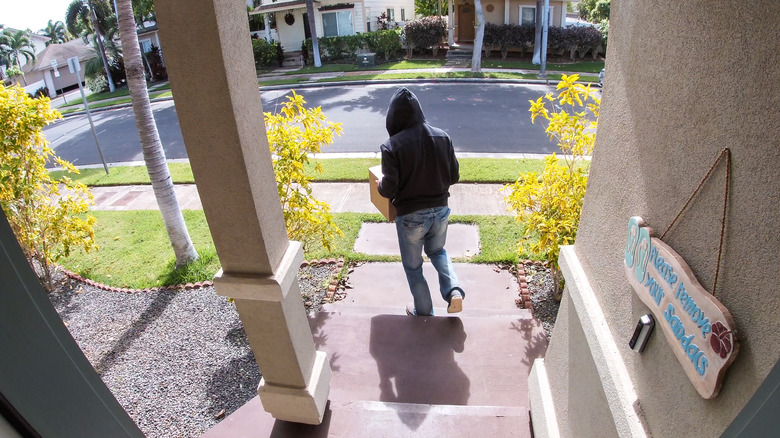
Other than convenience, one of the main reasons consumers might opt for a video doorbell is to improve front door security. Something that can monitor the comings and goings of people (and items!) on their front porch. The idea is that the presence of video surveillance is enough to deter thieves from swiping packages, or attempting to break in. Unfortunately, an unexpected downside is that this deterrence doesn't seem to last very long. When Amazon purchased Ring, the company claimed in a campaign that having video doorbells brought crime down by 55% in certain Los Angeles neighborhoods. And not only that, but only 10% of homes in the area had them. So, according to them, only a few doorbells went a long way.
However, much of the data that says areas with video doorbells are safer than those without was published in collaboration with the manufacturing companies. This means that perhaps there is more room for bias in the results. "It could be a very interesting study, if someone did it properly," Maria Cuellar, a statistician and assistant professor of criminology at the University of Pennsylvania, told the MIT Technology Review. "But I'm just afraid that it was not really done properly." That said, cameras don't seem to stop determined porch pirates, anyway. They will simply cover their faces and still steal your packages. Sure, you have footage. But, there typically isn't much you can do with it to get your stuff back.
Some doorbells have a pay-to-play model long after purchasing

When you buy a traditional doorbell, it's a one-off purchase. You install it, it works as intended without any add-ons. But this isn't necessarily the case with video doorbells. Another unexpected downside is that without purchasing additional monthly services, you might not get all the benefits of your device. Some models require extra payments for things like 24/7 monitoring (e.g., events not triggered by sound or motion), connections to emergency services, alarms, etc. Prices from different companies vary greatly, from just a few bucks a month to over $20. These costs can really add up over years of use, especially if you were not expecting them in the first place.
In addition, you have to consider keeping the doorbell's battery charged (or purchasing a new one for it on occasion). Finally, if you still want the doorbell to ring throughout your house, you'll also need to purchase a new bell box that is compatible with your device. If you don't, it will only ring on your phone. If you aren't home, other members of your family might not be able to hear the bell and they won't be notified if they don't also have access to the app.
The rise of video doorbells means an overall lack of privacy
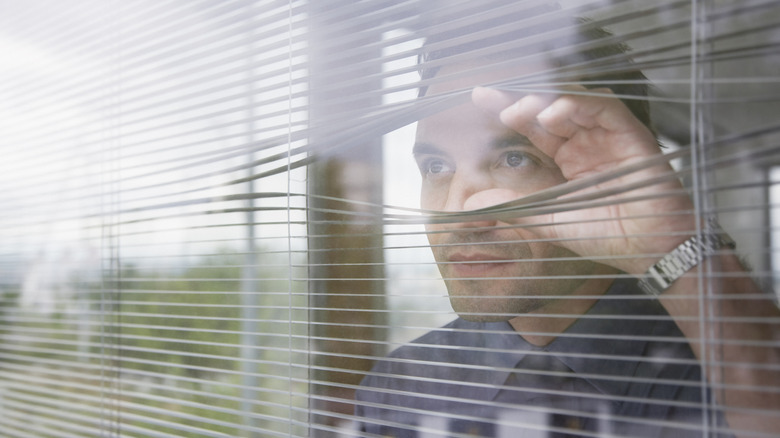
Before video doorbells, people were not constantly being recorded outside private homes. While there typically wasn't an expectation of privacy in public spaces (e.g., places like the bank, your office's lobby, or the grocery store), this now extends to residential areas, too. If you work as a delivery person, home health provider, lawn crew, tutor, etc., each client's video doorbell is capturing your likeness. Some even offer programs that allow users to label people, so the machine can tell them exactly who is there. However, there are multiple lawsuits ongoing about what major companies, like Ring and Nest, do with this information.
Even as a neighbor, your privacy can be invaded. Before these doorbells became popular, someone would have had to really be monitoring you to understand your daily routine and movements. Now, multiple people's doorbells can tell them exactly when you are home or not. Should this footage fall into the wrong hands, it can leave you very vulnerable. In fact, the Federal Trade Commission even sued Ring in 2023 over employees of the company having inappropriate access to customer footage. "Ring's disregard for privacy and security exposed consumers to spying and harassment," said Samuel Levine, director of the FTC's Bureau of Consumer Protection, per NPR. "The FTC's order makes clear that putting profit over privacy doesn't pay." The case was settled out of court, in favor of consumers.
They aren't immune to tech issues
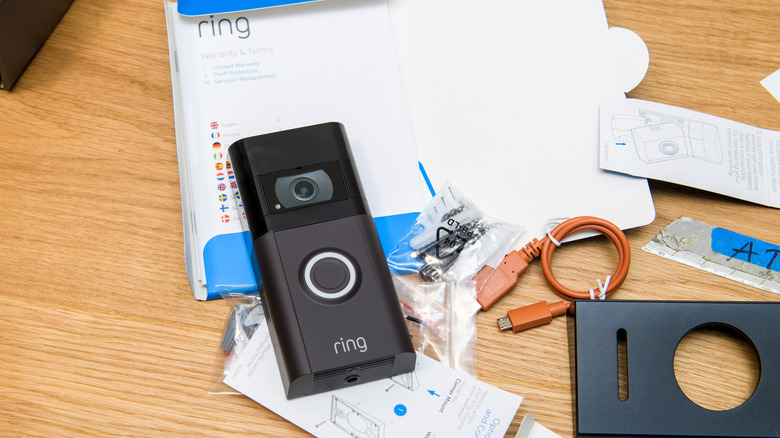
The reason some homeowners might prefer to the up-and-coming design trend of using more analog features is because video doorbells aren't immune to tech issues. There are a number of problems that old-fashioned doorbells simply don't face that more tech-forward ones do. For example, being accidentally muted in the app, becoming disconnected from the Wi-Fi (or the home's entire Wi-Fi network being down), issues with a freezing or laggy feed, speaker problems... the list goes on and on. For some, these might be simple fixes that don't require a lot of time or effort to get on top of. For others, adding yet another IT issue to their list of tasks might just be the tipping point.
This might mean missing a delivery because of a temporary lag in service. Furthermore, if you are relying on your video doorbell to act as the front line of security for your home, having it be reliant on external factors that also go down in an emergency (like power or data), can leave you vulnerable. While it doesn't do much to change safely surviving a power outage at home, it does mean having no access to information about your home during an extended outage if you are away.
Cloud storage of videos contributes to concerns on over-policing
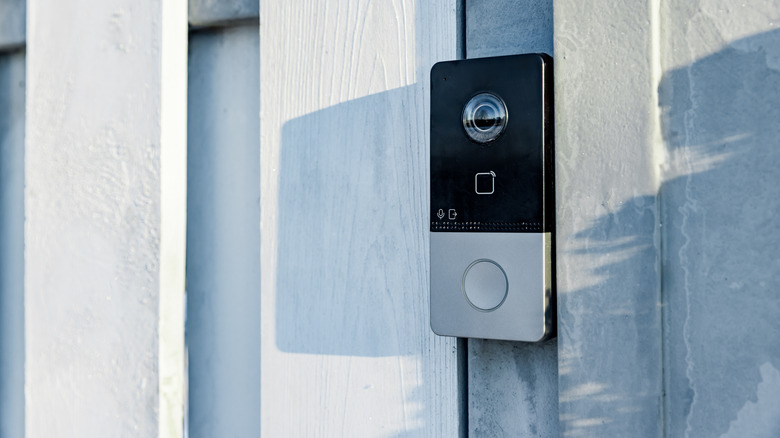
In early 2026, Ring ran a Super Bowl ad that made many people feel uneasy. It was to introduce a new feature called "Search Party". The idea was that instead of putting up fliers for a missing pet or roaming the neighborhood looking, owners could simply upload a photo to the Ring app. Then, other cameras in the area could begin searching based on that data. If the pet is found, the owner gets a notification. However, backlash occurred because there seemed to be room for misuse of the service, namely for mass surveillance. While residential areas were previously more private enclaves, plenty of video doorbell companies have come under fire for allowing law enforcement access to user data and videos without a warrant or the consent of the user in certain "emergency" situations. While some companies have since been quick to amend their policies, it's a good idea to read the fine print if this is an issue that is important to you.
This especially comes into play when the video footage recorded by your doorbell is stored on servers from the company, instead of locally in your home. Some companies, like Eufy, have local storage options, with only a small percentage of its users choosing cloud storage. That said, you can attempt to opt out of programs like this by only choosing local storage, in addition to heavily editing your camera's privacy settings.