

Forget Gravel Driveways: 6 Tougher, More Attractive Alternatives
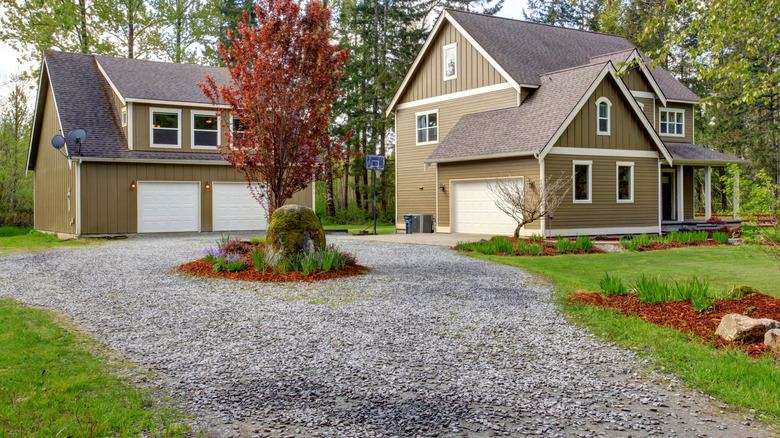
Gravel is a popular material for driveways. It has a rustic look, is simple to install, and inexpensive, too. The problem, however, is that gravel driveways are not very tough, and between the pressure of car tires and everyday wear, gravel shifts, leaving behind ruts, dips, and uneven spots. This can make the whole driveway look unattractive. Don't worry, though! There are many tougher, more attractive alternatives to gravel for driveways, such as asphalt, concrete, and pavers.
You just need to make sure that you know what your chosen driveway material can handle and where it falls short when planning a driveway. After all, toughness and looks are not the only things that matter in driveways. Climate and budget should be considered when making your decision, too. For example, if you live in an extremely hot area, avoid using asphalt. It becomes soft in hot conditions, which can affect its durability.
Similarly, if you live in a cold, rainy region with frequent freeze and thaw cycles, don't go for a concrete driveway. When water enters the cracks of concrete, it expands and exerts pressure, which can compromise its integrity over time. Put simply, when finding a replacement for gravel, make sure you also consider your climate, the way you use the driveway, and your budget.
Asphalt driveway
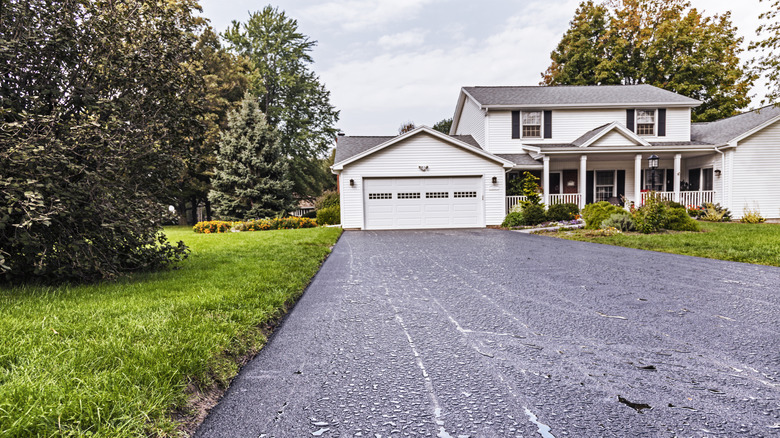
Asphalt is one of the most practical upgrades you can make over a gravel driveway. It has a smooth, uniform, deep charcoal surface that not only looks nice but also holds its shape under heavy foot and vehicle traffic, unlike gravel. In fact, a properly installed asphalt driveway can last nearly 20 years. Plus, an asphalt driveway can also be stamped and or coated with a jet-black sealcoat to give it a better, enhanced look. Just keep in mind that standard asphalt is not permeable and water runs off its surface rather than draining through.
Concrete driveway
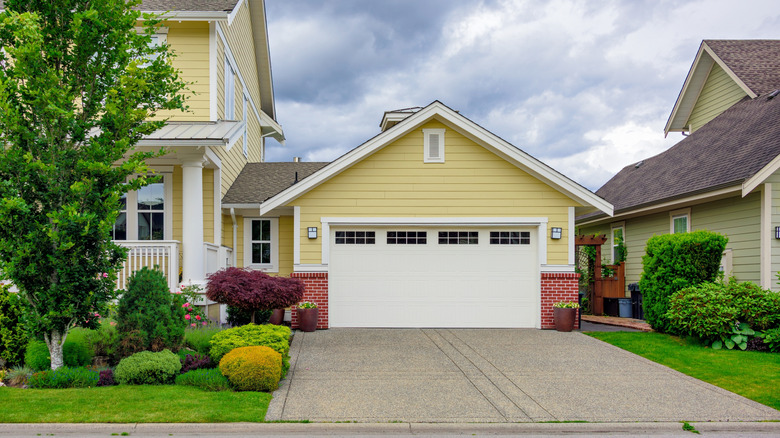
Concrete is another big upgrade over gravel when it comes to toughness. A properly installed concrete driveway can last anywhere between 30 and 50 years with proper maintenance, and it does not deform or shift under heavy loads like gravel. Even better? Concrete can be stamped, stained, and textured. This allows homeowners to replicate the appearance of brick, slate, or natural stone, giving a driveway a more deliberate and beautiful look that loose gravel can never achieve. Once again, though, concrete is not ideal for places with frequent freeze-and-thaw cycles, and it is expensive to install, too, when compared to gravel.
Cobblestone driveway
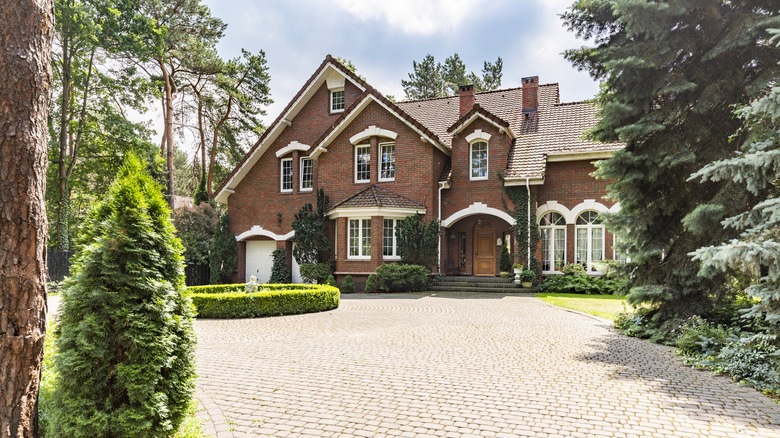
If you have a rustic, traditional home, a cobblestone driveway is a great way to give the whole place an old-school look. Its textured surface looks attractive, and it brings a timeless, high-end aesthetic. Cobblestones are durable, too. They handle heavy vehicles, foot traffic, rain, and changing weather conditions better than gravel. Plus, their textured surface provides good traction. Even better? Installed properly, cobblestone driveways can last for decades, even outlasting concrete and asphalt driveways. Just keep in mind when choosing a driveway material that cobblestone driveways can be a bit bumpy and somewhat expensive to install.
Brick driveway
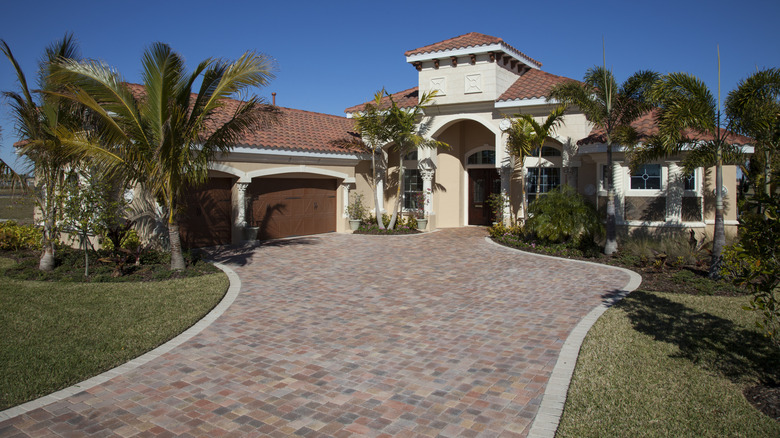
Bricks are another good alternative to gravel for driveways if you are looking for something more sturdy and durable. They handle traffic, wind, and rain better than gravel, and they also look more formal, polished, and classic than loose gravel. You can even seal brick driveways to give them a glossy look or give arrange bricks in different patterns to give the driveway some personality. Plus, since bricks are installed as separate units, a damaged brick can be swapped out on its own instead of redoing the whole driveway, which makes repairs simpler than with poured concrete and asphalt counterparts.
Resin-bound driveway
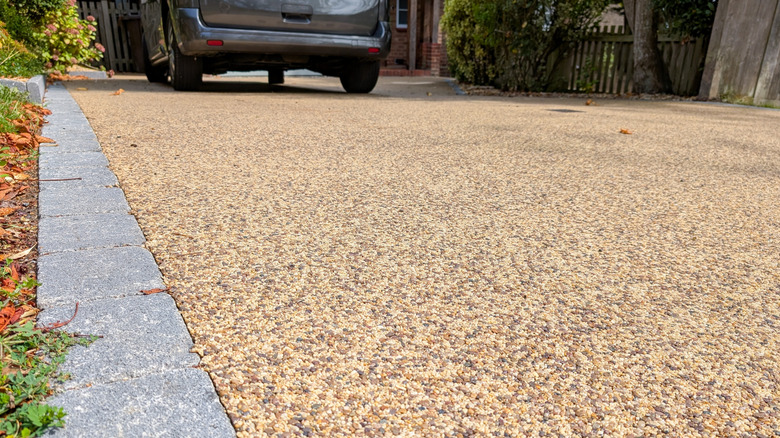
If you want to skip standard gravel driveways but still want to have that grainy texture of small natural stones, a resin-bound driveway can be a good pick. It is made by mixing small stones with a clear resin. The mixture is then spread over a prepared base, which becomes firm and smooth after curing. Not only does this prevent the stones from shifting the way they do in a regular gravel driveway, but it also gives the driveway a more polished look. Just make sure that you use UV-stable resin. Otherwise, the driveway can become yellow over time.
Porcelain driveway
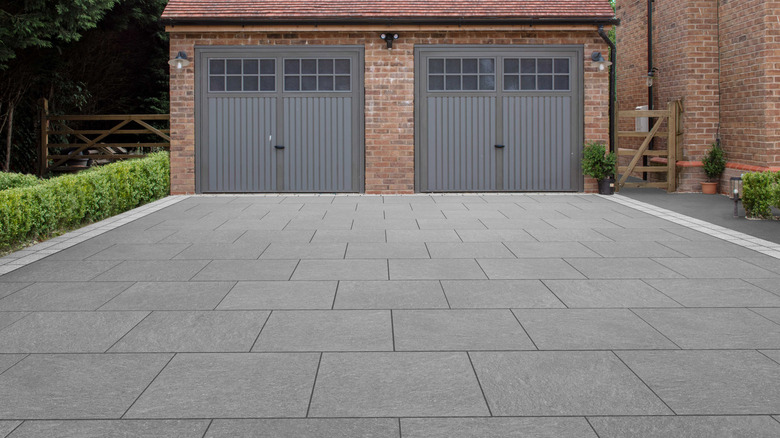
A porcelain driveway is another sleek, durable alternative to gravel driveways. It does not deform or shift under weight like gravel, and it also looks more high-end, modern, and polished. Its maintenance is pretty simple, too. Porcelain driveways are easy to clean, and when installed correctly, they can last for decades. Better yet? Porcelain comes in many colors and finishes, and you can get styles that mimic natural stone, concrete, or wood. Just remember that not every porcelain slab is suitable for vehicles, and you must pick something that is at least 1¼ thick to make a driveway.