

How Long Does It Take To Remove And Replace A Driveway After It Starts Cracking?
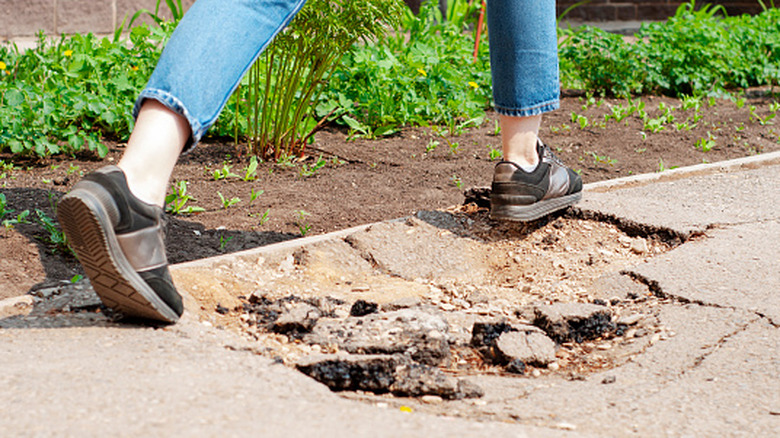
Nothing destroys curb appeal quite like an old driveway. Whether yours is concrete or asphalt, figuring out a fix can be a daunting prospect. Patching tiny cracks or skim coating over a chipped driveway are decent solutions if yours is relatively new or stable. However, sizable cracks, significant settling, or sunken spots that hold standing water are all signs that you need a new driveway. As you might imagine, the process is extremely involved and inconvenient. That may leave you wondering how long it takes to remove and replace a driveway after it starts cracking. Although demolition, site prep, and installation typically take only a few days, the curing process can last up to a month.
Although overall driveway removal and replacement timelines vary depending on whether you opt for concrete or asphalt, there are certain factors that can dramatically extend the process. Weather conditions are one of the primary considerations. Heavy rains and extreme weather can wreak havoc on the installation process, from washing out carefully prepared base layers to interfering with the curing process. Choosing the right season for your driveway replacement is crucial, and most contractors will recommend late spring through early fall as the ideal timeframe.
Labor and supply shortages are two other issues that are currently impacting how long it takes to remove and replace a driveway after it starts cracking. Because fewer people are going into the trades while the demand for specialized crews shows no sign of stopping, you may find yourself waiting longer for your driveway project to get underway. Meanwhile, tariffs on concrete and asphalt are creating supply shortages impacting both replacement timelines and pricing.
Installing a new concrete driveway takes up to a month (and lasts for decades)
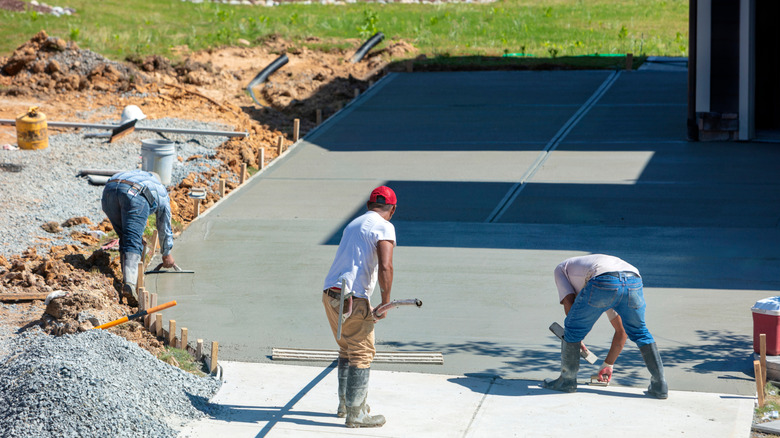
The cost of a concrete driveway replacement varies widely depending on your driveway size and regional demand. But, regardless of the size of your driveway, a few other factors may also impact the timeline. First, your old concrete driveway will need to be demolished and hauled away over the course of one to two days. Site prep comes next. While digging to your desired depth typically takes just another day or two, the permitting process, professional drainage planning and grading work, and removing any nearby trees or root systems that contributed to cracking your old driveway can add weeks. Once the perfect weather arrives, the concrete pouring process typically only takes a single day, unless your driveway is particularly long.
You'll have to wait at least another full week before you can drive on your new concrete driveway, since it will need to harden first. The total curing time can take up to a month, depending on material and weather conditions. Although it's an optional step, sealing adds additional labor and curing days. However, you should only need to find another place to park your cars for a few weeks while the work is being completed.
If you're planning a driveway replacement, poured concrete is one of the longest-lasting and lowest-maintenance options out there. Although it's will eventually start to crack and show signs of age, a properly installed concrete driveway can last between 30 to 50 years. If yours is past the point of no return, according to Angi you can expect to pay anywhere from $2,700 to $14,500 to remove and replace it.
Installing a new asphalt driveway takes a couple weeks (but starts needing repairs a few years later)
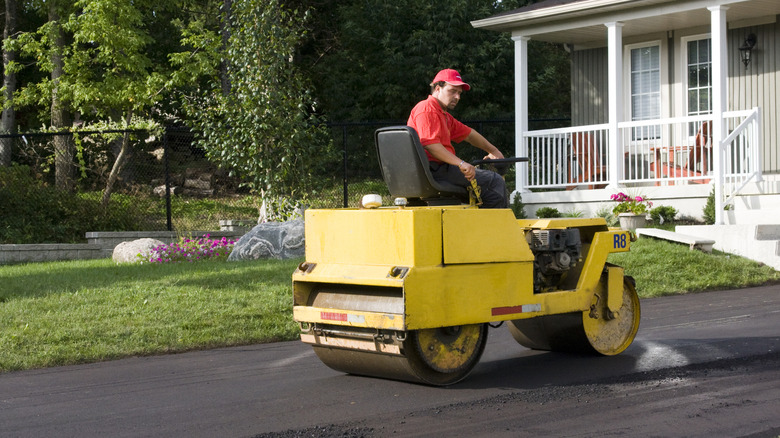
Installing an asphalt driveway is a more affordable option than concrete, and tends to be a faster process overall. The demolition and site preparation processes are similar because it will still take crews a day or two to remove and dispose of the cracked asphalt, and a similar amount of time to grade the soil, add a base layer of crushed gravel, and compact it with a roller. Pouring asphalt and rolling it until smooth is a quick process, taking up to a day. The key difference between how long it takes to remove and replace a driveway made of asphalt versus one constructed from concrete is the total curing time. Under ideal conditions, asphalt takes only three to seven days to fully cure. That means full asphalt driveway replacements can happen within just one to two weeks.
While asphalt is a more affordable ways to make a beat-up driveway look fresh again upfront, the replacement timeline doesn't tell the whole story. In addition to having a shorter lifespan, asphalt driveways need more frequent maintenance. Between the two to five-year mark, be prepared to fill cracks. Once an asphalt driveway reaches the end of its 15 to 20 year lifespan, you may see alligator cracking. The web of interconnected cracks forming a pattern resembling reptile skin indicates a base-layer failure happening underneath the surface. Unfortunately, that means patching will no long do the trick.