

Goodbye Privacy Screens: There's A More Natural Landscaping Option For Your Backyard
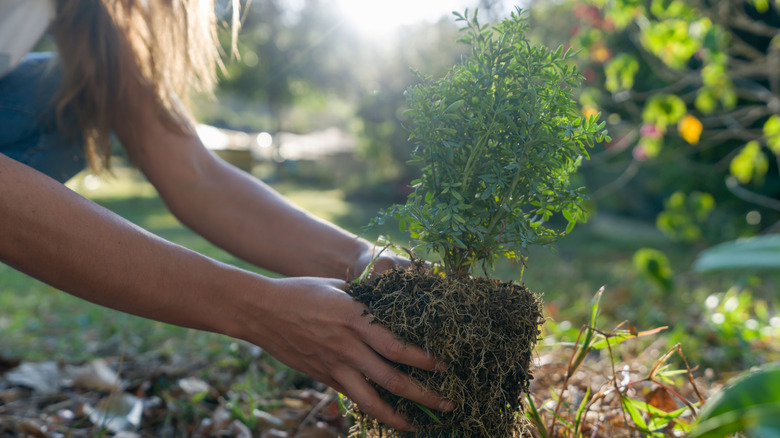
If you're looking for more backyard privacy, your first thought might be to install a privacy screen or a tall fence. While these options are effective, they can create a boxed-in feeling and don't blend in naturally with the surrounding landscape. If you want a less artificial look, opt for creative plant solutions for backyard privacy. One great option is a privacy berm. This is a landscaping feature that provides screening, while also enhancing the natural beauty of an outdoor space.
A berm is a landscaped mound of soil. The raised area gives the plant life on top of the berm more height. When used for privacy, a berm is strategically placed and landscaped to block unwanted views and create a sense of separation from neighboring properties or streets. Homeowners add berms for other reasons too. They can also create visual interest, help direct drainage, minimize erosion, and block wind or sound around a property.
The main benefit of a privacy berm is that it looks less disruptive than a manufactured privacy screen. Screens and fences introduce a strict vertical barrier, whereas berms make use of natural-looking elevation changes. A nicely designed one will look like a gentle hill that's always been there, offering extra privacy without harsh lines. You can plant trees, shrubs, flowering plants, and ornamental grasses on berms. Since some height comes from the ground, you don't have to choose extremely tall vegetation to achieve privacy, offering more options for landscaping.
What to consider when adding a privacy berm
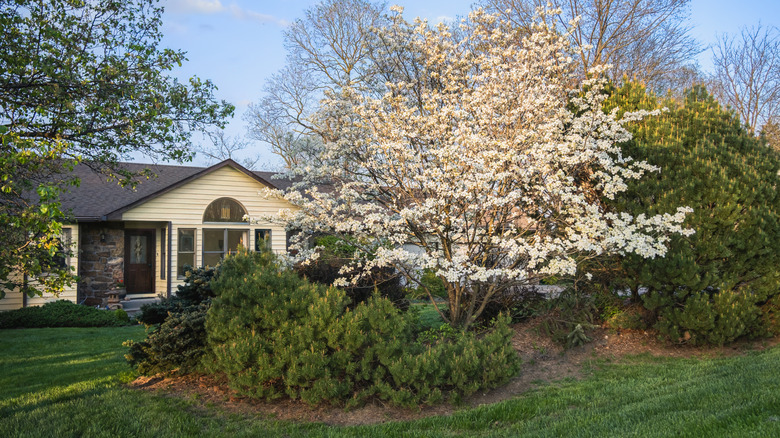
There are several factors to take into account before adding a privacy berm. First, you want to look at the area you want to cover. A low berm, planted with a variety of shrubs, may be enough to screen a patio seating area from neighbors. A larger berm with plenty of evergreen trees can create a year-round privacy buffer from the street.
Building a berm is suitable as a DIY project, as long as you don't mind moving a bunch of dirt around. When planning out the area, note that gentle slopes are best. Not only do subtle mounds look more natural, but they also support healthy plant growth and resist erosion. Generally, berms shouldn't be taller than 24 inches high. An irregular, curved perimeter shape contributes to a more natural look, though you can go for a more structured design if you want it to look highly-styled.
When choosing plants for a privacy berm, consider fast-growing trees for privacy screens for quicker, taller coverage. Then, add some of the best bushes and shrubs for hedges to increase density. A mix of these plant types is ideal for good coverage. You can also include ornamental grasses and flowering plants for more texture and color. Keep in mind the mature size of your chosen plant types and the berm height. Also note the required spacing between plants, which can help you plan your mapping.