

What To Do If Your Landscape Beds Are Infested With Nutsedge
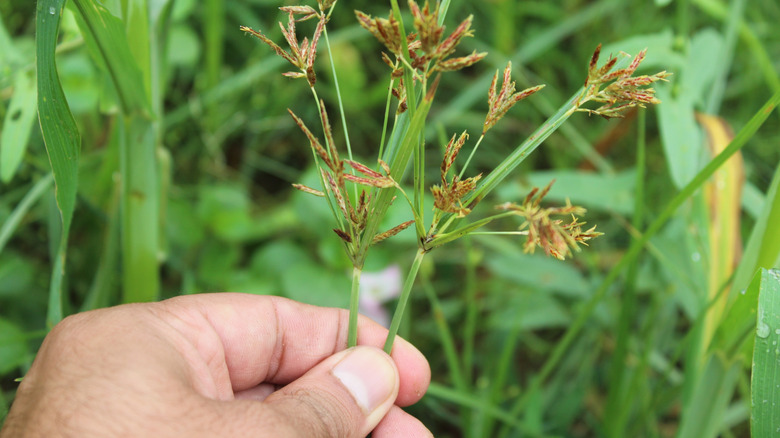
After spending hours carefully choosing plants to create landscape beds you love, nothing is more frustrating than seeing tufts of nutsedge popping up everywhere. While you could easily mistake it for grass, nutsedge is one of the most common lawn weeds. It's also one of the most challenging infestations to get under control. According to Dr. Manjot Sidhu, Ornamental Horticulture Specialist at UMaine Cooperative Extension, Orono, understanding how the plant infests landscape beds, removing young plants or using post-emergent herbicides, and staying on top of mulching and maintenance tasks are the best ways to kill and get rid of nutsedge for good.
"Nutsedge infests landscape beds primarily through contaminated soil, top soil, or nursery stock containing underground tubers, as well as through improper pulling that leaves rootlets behind," Dr. Sidhu told Hunker during an exclusive interview. There are two notable types that may be infesting your landscape beds: yellow nutsedge (Cyperus esculentus) and purple nutsedge (Cyperus rotundus). Both spread quickly through underground tubers and rhizomes that make it extremely difficult to remove by hand once they're established.
But that's not the only reason nutsedge is the bane of many gardeners. Along with competing for sunlight and nutrients, the noxious weed also releases chemicals into the soil that can make nearby plants struggle to grow. According to Dr. Sidhu, "It is most prominent in low-lying areas, near leaky irrigation, and in thin lawns where warm temperatures, full sun, and persistently soggy, poorly drained soils create ideal growing conditions." That makes landscape beds full of clay soil or thirsty plants particularly susceptible, especially if you're watering frequently.
How to get rid of nutsedge with DIY methods or professional help
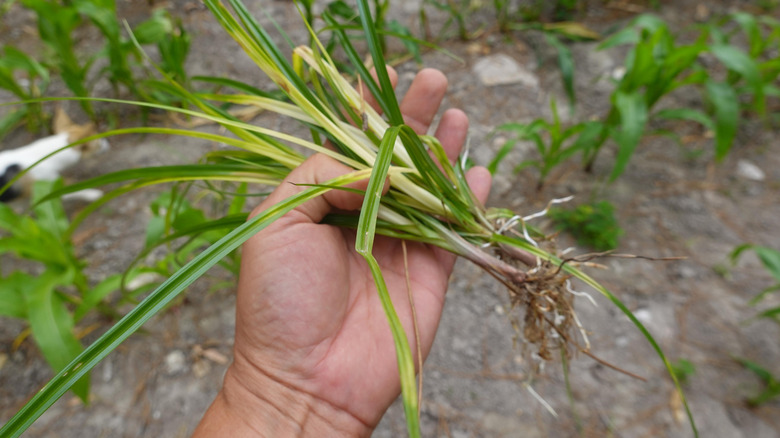
If you're battling a nutsedge infestation in your landscape beds but prefer safe and natural weed control methods, it's important to act quickly once you identify it. Although it grows taller than grass, nutsedge has similarly thin blades. However, there are two key differences: the triangular stems topped by sets of three flowers and leaves and the roots, which grow horizontally under the soil at a depth of 6 to 14 inches. The roots will also have a small round tuber (known as a "nutlet") attached to the end. "For a DIY approach, dig up young plants deeply before tubers develop, rather than simply pulling the leaves," Dr. Manjot Sidhu recommended.
The root system is what makes nutsedge so persistent. If you don't get rid of it early enough by hand-pulling, other types of interventions may be necessary. "Alternatively, apply targeted, consumer-grade post-emergent herbicides containing Sulfentrazone, or smother unplanted beds under thick plastic during the peak heat of summer to bake the underground root structures," the horticulture expert suggested.
Of course, sometimes your landscape beds or lawn will become infested with so much nutsedge that no combination of hand-pulling, herbicide sprays, or smothering will work. In those cases, enlisting help from a professional landscaper or lawn specialist may be necessary. "If DIY efforts fail, a professional landscaper will apply commercial-strength systemic sedge killers combined with surfactants to eradicate deep tuber networks," Dr. Sidhu said, before adding that a pro can also help you address the soil drainage or other underlying issues that are contributing to the problem.
How to prevent nutsedge from infesting your lawn and garden
The best way to get rid of weeds in the garden without killing other plants is to avoid infestations in the first place. "Always inspect incoming bulk soil, compost, and potted plants for hidden tubers before introducing them to your yard," Dr. Manjot Sidhu said. Since the weed grows so quickly, and a single nutlet can generate nearly 2,000 new plants, pay particularly close attention in the immediate days and weeks after refreshing your soil or adding new nursery plants to your beds. By keeping a watchful eye, you'll have a better shot at removing young nutsedge plants along with their tender rhizomes before they get well established.
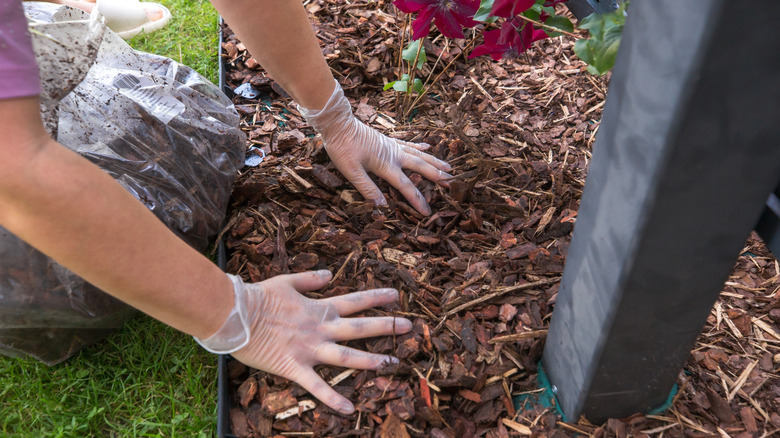
The horticulture expert offered a few other suggestions for anyone who wants to prevent nutsedge from infesting their landscape beds and lawns in the first place. "Maintain a healthy lawn by mowing high to shade out emerging roots, and apply a 3 to 4-inch layer of organic mulch in landscape beds to block sunlight," Dr. Sidhu advised. Because the weed prefers moist conditions, avoid overwatering and fix those leaky sprinklers, too.
No garden bed or lawn is completely maintenance-free. Maintaining high turf density, aerating regularly to avoid compacted soils, and generously applying mulch will do a tremendous amount to eliminate the conditions nutsedge prefers. However, recognizing the signs and taking quick action when you spot nutsedge starting to grow can make all the difference between a few easily removed weeds and a serious infestation that's time-consuming and costly to resolve.