

Ditch Asphalt Driveways: A Tougher, More Stylish Alternative You'll Love
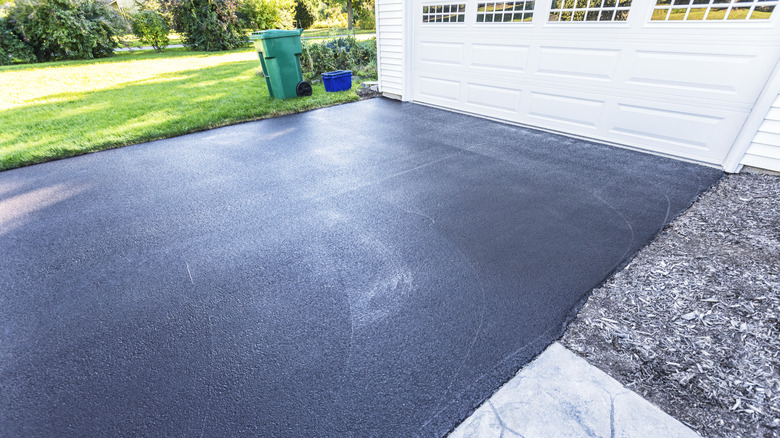
Asphalt driveways aren't always what they're cracked up to be, literally. Rain and cold can cause them to fracture, and they're difficult to install or replace. Not to mention they aren't the most aesthetically exciting driveway option. If you're planning a driveway or are hoping to replace your existing asphalt, you may want to consider brick pavers instead of asphalt. Not only are they charming and blend with a range of aesthetics, but they're also surprisingly tough and easier to repair or replace. Being made of multiple pavers makes the driveway more flexible, since each paver moves independently from each other during freeze-thaw cycles, flooding, or heavy use. This puts less strain on your driveway overall, leading to fewer large cracks or problem areas.
Similarly, when a crack or other damage does occur, just replace the specific impacted pavers rather than repairing a whole section of cracked or blistered asphalt and hoping it holds. At a baseline, both asphalt and brick pavers can last around 25 years. However, with proper care, brick pavers can last 50 years or longer. Meanwhile, asphalt may not even last the full 25 years if you live somewhere with heavy rains or freezing weather. Aesthetically, brick pavers have a classic style that can look neutral, rustic, or even modern, depending on the color and layout you choose. By contrast, asphalt mostly feels like a parking lot. When freshly installed, the smooth, black surface looks clean and professional, but these driveways rarely stay fresh for long. In contrast, as they weather, your brick pavers can take on a charming, rustic-chic patina, extending their visual appeal.
What to know before installing a brick paver driveway
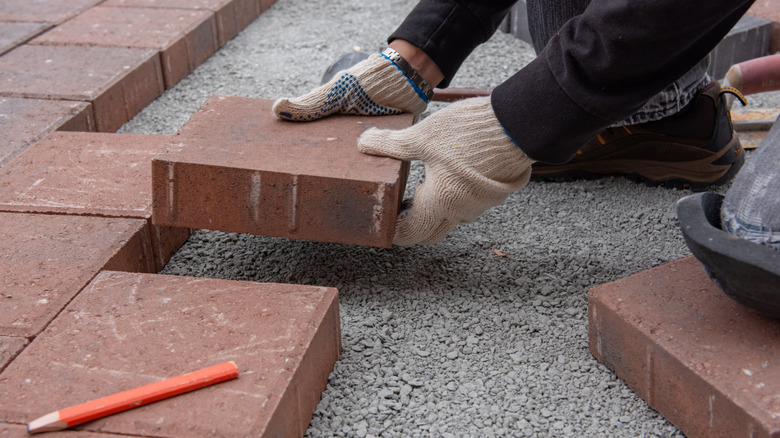
Brick pavers are tougher and more stylish than asphalt driveways, but they can also be more expensive. Asphalt driveways cost $7 to $15 per square foot on average, while brick pavers generally cost between $10 and $25 per square foot. If you're sticking to a tight budget, then brick pavers may not be the ideal option for your driveway. However, if you have a bit of wiggle room now and are trying to save money on repairs and replacements down the line, then the higher upfront cost of brick pavers may be worth it, given a paver driveway's durability, low maintenance, and longevity.
If the color and aesthetic of brick pavers is your main draw, note that dirt, heavy use, and sun can cause them to fade over time. It's not an issue if you prefer a more rustic look, but you can also restore color to brick pavers through cleaning, staining, and sealing them. Pavers are relatively easy to install on your own, although it does take time and effort. Doing it yourself can make a paver driveway even more affordable, as the materials alone typically have a lower price than asphalt, which should also be installed professionally. Though brick pavers are generally low-maintenance, weeds can grow between them, and it can be challenging to get rid of weeds in brick paver driveways.