

The One Herb You Should Plant In Pots In August To Help Repel Mosquitoes All Summer
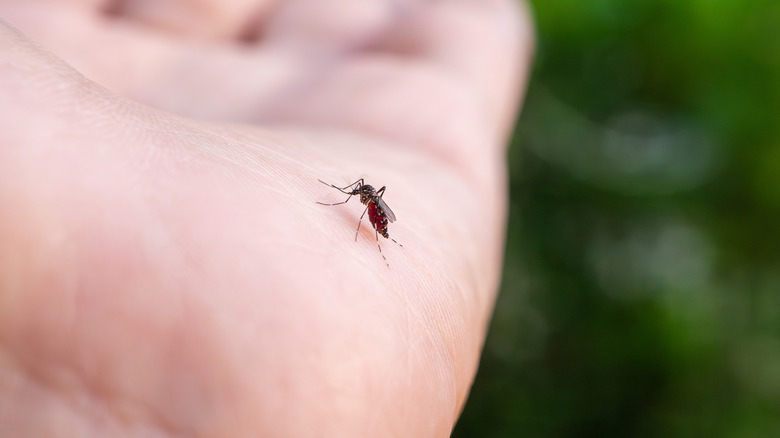
Your household is likely no stranger to dealing with mosquitoes during the summer months. As the Mississippi State University Extension notes, it's common to see the most mosquito activity when temperatures exceed 50 degrees Fahrenheit. Any warm month can bring more mosquitoes to your outdoor spaces, but late summer can mean an even further uptick in these pesky insects. This is all thanks to a combination of heat and moisture. Needless to say, August is definitely not the time to let your guard down against mosquitoes. If you want an option outside of insect repellents, you might consider putting out natural fragrances mosquitoes can't stand, such as certain plants. One such option is lemon balm (Mellisa officinalis), which is easy to plant in pots and will continue to grow in the late summer season. This herb may help repel mosquitoes to a certain degree, but only when actively used in conjunction with other mosquito control measures.
Lemon balm is best-known for its lemony-scented leaves that can delight any gardener who appreciates crisp citrus smells. Plus, like other lemony herbs, such as lemon basil and lemon thyme, lemon balm can definitely enhance the summer vibe of your patio and other outdoor spaces. Yet mosquitoes may not be so amused by this plant. This is particularly the case when the leaves are crushed, thereby emitting even more of the lemony oil that may offend these insects and prevent them from ruining your summer fun. While more clinical studies are needed to investigate this crushed leaf method for home mosquito control, existing research does point to lemon balm as having mosquito-repelling qualities in essential oil form.
Lemon balm grows best in containers, even when repelling mosquitoes
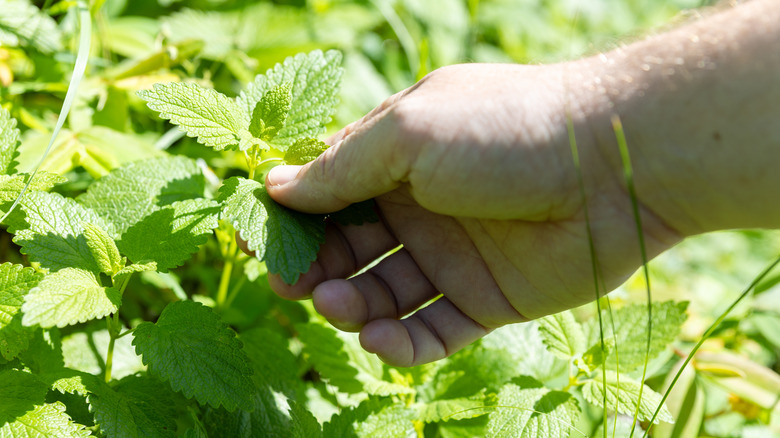
While many people plant lemon balm transplants in the fall months, or from seed in early spring, August is not too late to grow established plants found at a local nursery. Lemon balm grows fast and is low-maintenance, which makes this option a perfect late-season addition to your outdoor spaces. Aside from its possible mosquito-repelling qualities, you will also appreciate the attractive heart-shaped leaves this plant has to offer. While you might keep the plant on hand as an accessible mosquito deterrent, lemon balm also flowers in the summer and attracts important pollinators like bees.
The fast-growing nature of lemon balm is what makes it a great last-minute addition in the later part of mosquito season. Yet it's also these same invasive qualities that make the plant best grown in pots. In fact, when grown outside of containers, lemon balm has the potential to grow 2 to 3 feet tall! While you can choose a variety of different pots for your lemon balm, make sure they are at least 6 to 12 inches in diameter. You might also find it helpful to have multiple potted lemon balm plants around your patio for continued access to the leaves as you need them. Having lemon balm in containers also makes it possible to move the plants around when necessary.
Tips for growing lemon balm, and other mosquito advice
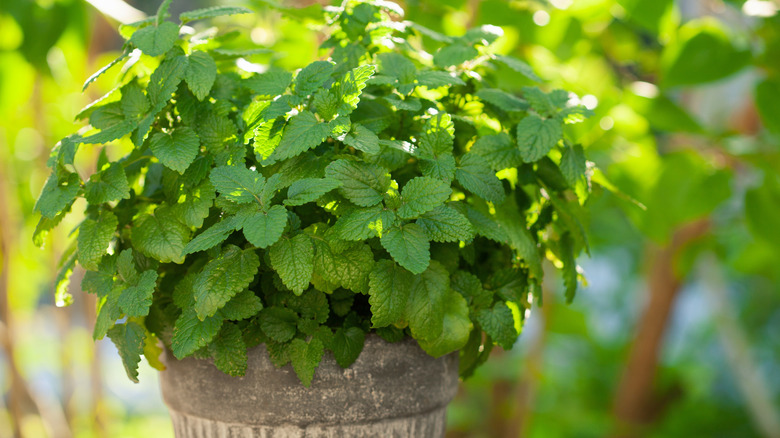
Growing lemon balm is relatively easy with a few simple rules to learn ahead of time. First, know that lemon balm is considered hardy in zones 3 to 9. This perennial herb also prefers moist yet well-draining soil, and it can grow in both full sun and partial shade. While lemon balm can definitely tolerate the heat of summer, consider placing potted plants in the shade during the afternoons to help prevent excess leaf stress and damage. Some shade can also ensure larger leaves. (In fact, lemon balm happens to be among the herbs that grow in shade that can help repel mosquitoes.) Once mosquito season is over and is replaced by the threat of frost, consider bringing your lemon balm containers indoors for the winter.
Reducing the presence of mosquitoes in your yard or garden will ultimately require more than planting lemon balm, though. Eliminating standing water from your property is one of the primary ways to directly decrease mosquito breeding activities, with fragrant plants acting as possible complements to control further activity. You also cannot expect any substantial results by allowing the plants to just sit there. For the best results, you can crush a few of the leaves in between your palms whenever you go outdoors, but avoid using them as a bug repellent. Another caveat to this method is skin sensitivities, so you might consider wearing gloves whenever you crush the leaves to prevent possible rashes.