

Move Over Traditional Wood Flooring: There's A Durable, Eco-Friendly Alternative
Home renovations can be tricky if you're trying to go green. Stone has to be quarried, vinyl is a type of plastic, and even though wood is renewable, trees grow slowly enough that it's still a concern. If you're looking for easy ways to make your home more sustainable, there is another option to consider. Hemp, a variety of Cannabis sativa, has been used to make rope, paper, and other textiles for many years. It's now also being used by HempWood to create flooring. Hemp grows much more quickly than trees, meaning it's a more renewable resource. Additionally, hemp is biodegradable, further reducing its environmental impact. While there are still some potential negative impacts from transporting it, it is overall a more sustainable option.
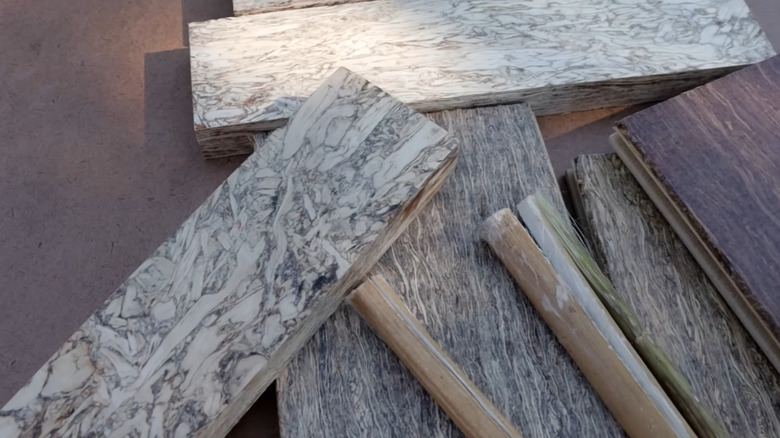
Not only is hemp flooring more sustainable, but it is also quite durable. The planks made from compressed hemp stalks are dense and hard, making them a good fit for high-traffic areas like your living room. Aesthetically, hemp wood doesn't look much different from traditional wood flooring. Rift sawn planks are cut in such a way as to give them a faux wood grain appearance, so you can still enjoy the look of traditional wood flooring. For a quirkier appearance, or if you plan to cover it with carpet anyway, you can opt for plain-sawn boards, which are more mottled. It can even be stained just like traditional wood, although oil-based stains are recommended due to the density of the boards.
What to know before getting hemp flooring
Before you start ordering your hemp flooring, there are a few things to be aware of. While the boards are durable and sustainable, they're also vulnerable to moisture damage. This means they'll likely have similar issues to wood floors in the kitchen or bathroom. The higher likelihood of spills or flooding in those rooms may mean you want to limit your hemp flooring to other areas of the house. Similarly, hemp wood is not currently rated for outdoor use or for anything structural. You shouldn't use it for load-bearing pillars or your home's siding, and you'll need to pick a different eco-friendly alternative for your patio or porch. Hemp's vulnerability to moisture also means you may have difficulty layering it directly over concrete. Check the moisture levels and add a vapor barrier before installation to reduce the risk of water damage to the concrete.
Hemp flooring isn't widely available, so styles are limited for the time being. However, you can paint or stain your flooring to help it better match the rest of your interiors. It does add a little more work to your plate, but some DIYers may prefer having that extra level of control over the final appearance. Finally, the price of hemp flooring is still relatively high. The eco-friendly benefits may make the cost worth it for you, but you should budget accordingly. Currently, you can buy HempWood directly from the company's site for around $8 to $10 per square foot. That makes it comparable to walnut or maple wood.