

Before You Cut It Down: 22 Types Of Trees That Are Actually Legally Protected
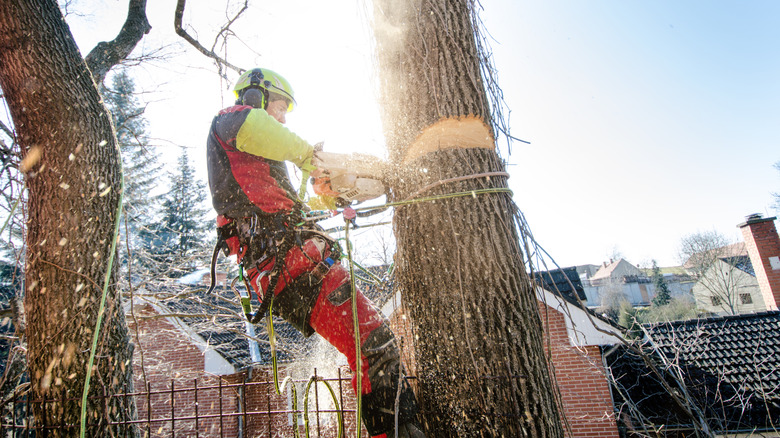
If a tree lies entirely on your property, surely you can deal with it as you deem fit, right? Turns out, it's complicated. While there are no federal provisions as such that disallow the cutting down of trees on private land, things are different when we move down to the state and local levels. To preserve canopy levels, the area's iconic and heritage diversity, and protect the local wildlife, many governments stipulate permit requirements before you can remove a tree in your yard. And these provisions are highly variable. You may even face some pressure from your HOA.
While some states only regulate specific species, usually native or in urban groves, others offer a blanket protection to all species once they cross specific DBH levels. Expanded to 'diameter at breast height', DBH basically measures a standing tree's diameter about 4 ½ inches above the ground level. Depending on how wide and old these trees are, they may enjoy the status of a "specimen," "special," "memorial," "protected," or "heritage" tree. While some may make an exception for dead, dying, hazardous, or invasive trees, others do not. To further add to the complication, some governments also determine whether the property is in a historic district, a resource protection area, an overlay zone, or woodlands. All in all, you must check with your city ordinance before cutting any tree down to avoid inviting hefty penalties. With that said, below are some of the most common trees under legal protection.
Live oak
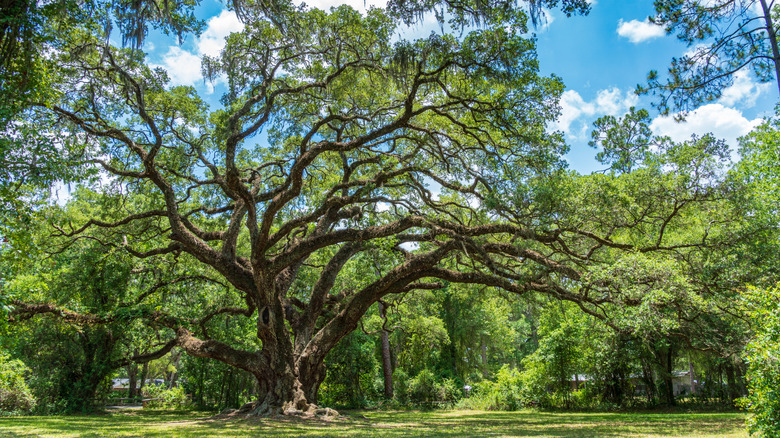
One of the earliest trees to have received protection under the forestry laws because of its significance to the shipbuilding industry, live oak (Quercus virginiana) today enjoys protection for a different reason. Ailed with habitat loss, warming temperatures, and an influx of fatal pests and diseases, its stands are dwindling. However, live oaks remain valuable to numerous pollinators, birds, and mammals for their foliage. Given this significance, many municipalities across Texas, Florida, Georgia, Louisiana, and California offer them protection. Once they reach a DBH of 24, they're reclassified as a heritage tree in Austin, where their removal is illegal unless hazardous.
Valley oak
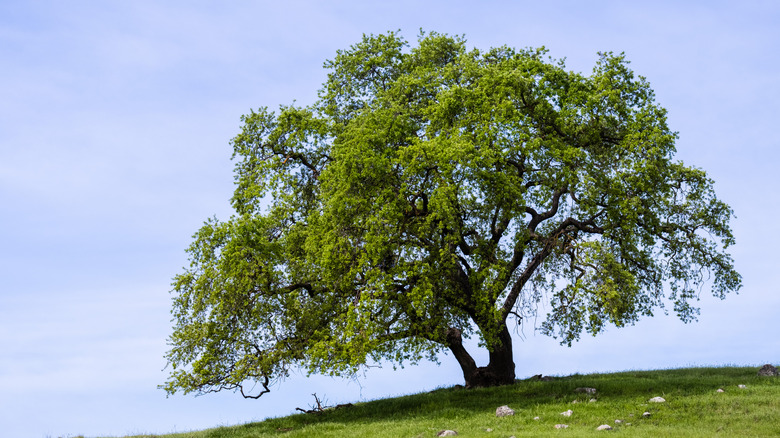
Prevalent in the Californian valleys and foothills, valley oak (Quercus lobata) features amongst North America's largest oak trees and may well live up to 600 years! Unfortunately, rapid urbanization, conversion of woodlands into agricultural lands or vineyards, diminishing groundwater tables, and exposure to saltwater runoff have all contributed to a decline in their population. Since most of the remaining trees are on private land and conserving them is essential for the local wildlife, many counties, including Los Angeles, Napa, Sonama, requires homeowners to apply for a permit before cutting them down (DBH requirements vary from 4 to 12 inches).
California live oak
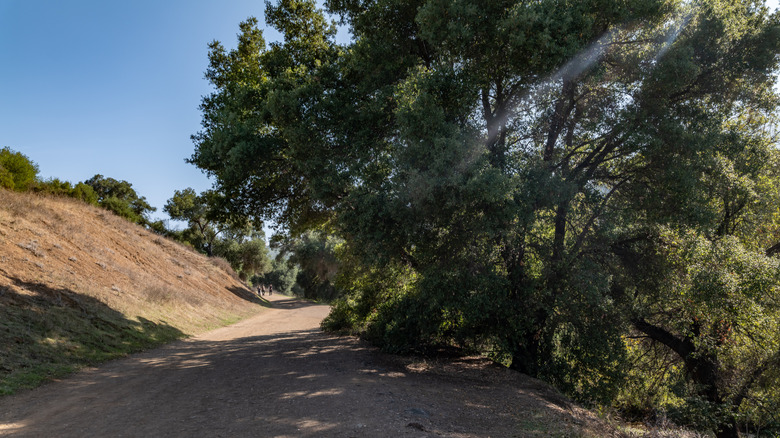
Ever heard of Encino's 1000-year-old iconic oak with its set of gnarly arms? Turns out, it was a California live oak (Quercus agrifolia), the only oak species in California that can handle its coastal conditions, survive a heavy fire (imagine oaks being fire-resistant!), and supports nearly 270 diverse pollinators. Sadly, the emergence of the sudden oak death, a disease without any cure, along with unchecked urbanization, has dwindled their numbers. Due to this, the state, including counties of LA and Napa, has designated them as a protected species, and you'll need a permit before making any changes.
Blue oak
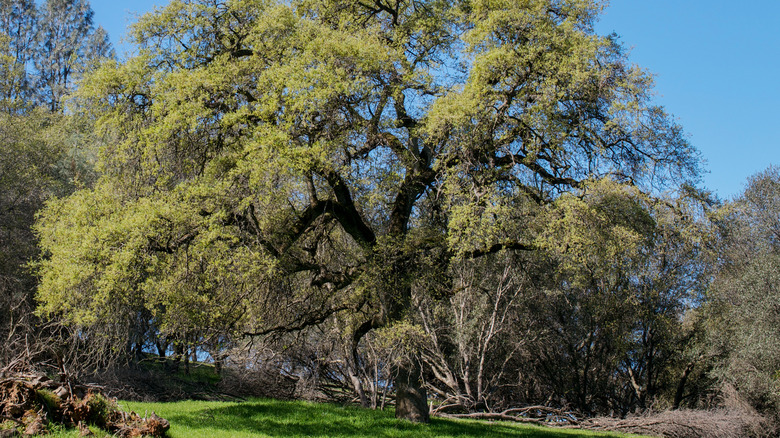
Also known as iron oaks, mountain oaks, and white oaks, blue oaks (Quercus douglasii) are some of the toughest species of their lot, as they can handle shallow soils, drought, and arid conditions. They're considered critical to California's woodland ecosystem since they support myriad moths, butterflies, and birds. In fact, the Sacramento Tree Foundation even gives these trees away as free plantings. Endemic in the Bay Area, foothills, and coastal ranges, they're protected from removal at the city and county level. However, provisions are highly variable, with some kicking in at a DBH of 6 inches (Sacramento) or higher at 12 inches (Concord).
Southern California black walnut
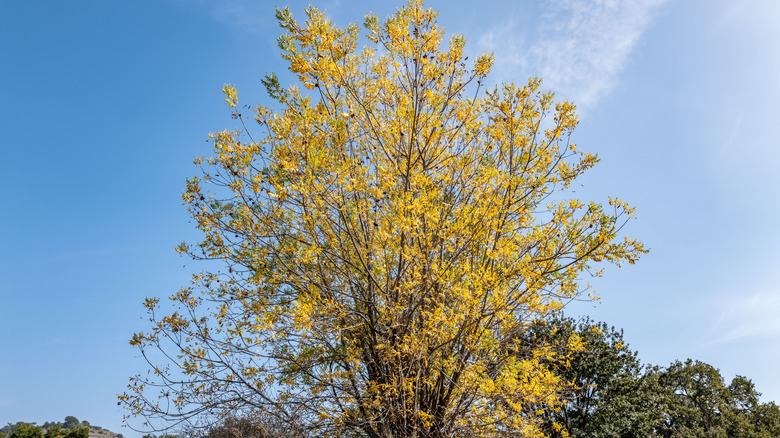
Labelled "Moderately Threatened" in California, the southern California black walnut (Juglans californica) is a multi-trunked specimen that's mostly found in Riverside County, the Santa Rosa Plateau, and the City of Corona. Due to land conversion and residential expansion, their wild population is declining. Moreover, they tend to be short-lived due to their propensity to contract rot, which means not many people wish to grow them in the first place. However, if you already own them and they're over 4 inches wide when measured 4 ½ feet above ground, the LA city demands you get a permit before making any cuts.
Western sycamore
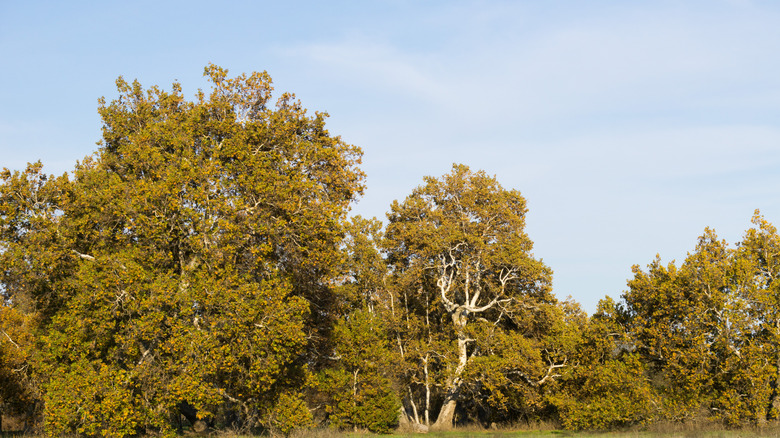
Well-liked for its mottled bark and fall hues, western sycamore (Platanus racemosa) is another Californian native that you can't cut down without a permit if its DBH hits 4 inches. It requires copious amounts of water to thrive, and the looming climate crisis, which has set in motion an incessant string of events involving drought, water level depletion, and a switch in flooding patterns, has threatened its population. Plus, it competes poorly against other wetland willow and cottonwood species. As a result, western sycamore has been designated a rare species and enjoys L.A. county's protection.
California bay
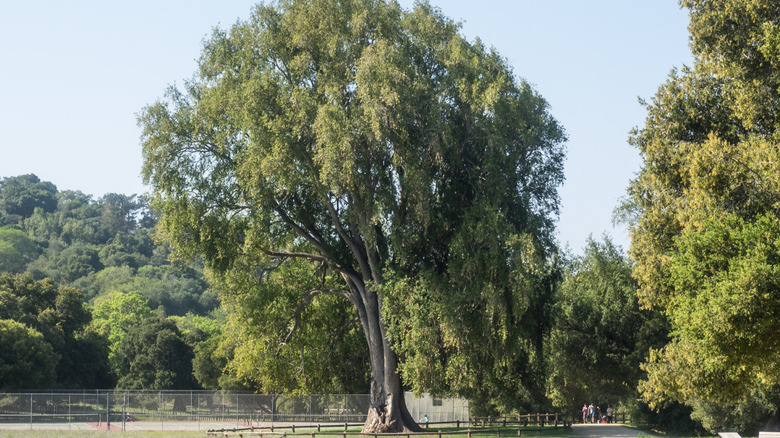
Native to the southern parts of California and Oregon, California bay (Umbellularia californica) is a broadleaf evergreen tree whose wood is harvested for furniture and flooring. It plays a pivotal role in the preservation of biodiversity, as it provides cover, food, habitat, and shade to the local wildlife. Despite not being as prevalent in LA, the city treats it as a protected species if its DBH exceeds 4 inches. Protections kick in Napa when DBH is at least 12 inches. Apparently, the trees are found in small stands, sharing space with other vegetation.
Coast redwood
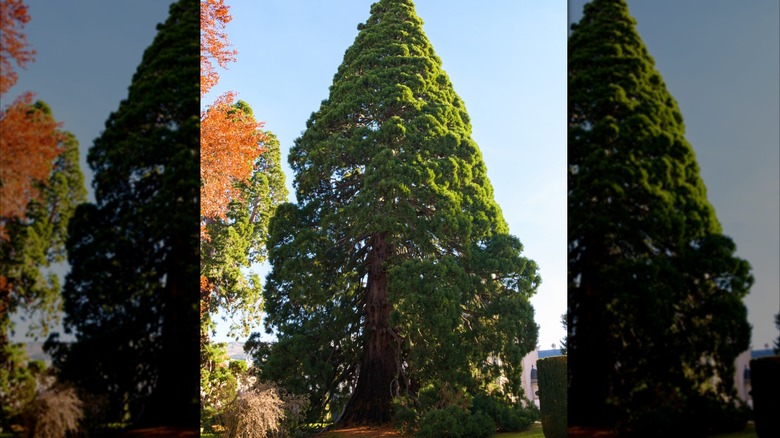
Despite being listed as an "Endangered" species on the IUCN list, coast redwood (Sequoia sempervirens) has, as such, not garnered any protection under the federal list. However, in areas where it's native, like the Californian coast, and other areas in the valley or Sierra Nevada where it has been grown successfully, you often require permits before you can expose these trees to pruning shears. Depending on the city, municipality, or town ordinances, permit requirements may be triggered for trees when they reach 54 inches in circumference, as then they're usually treated as significant or heritage trees.
Bald cypress
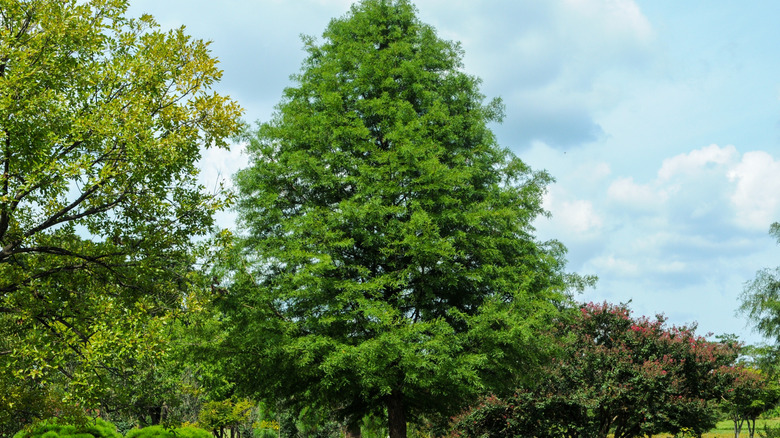
Heard of the trees with knobby knees? Meet bald cypresses (Taxodium distichum). Popularly planted in landscapes as an ornamental, low-maintenance specimen, these trees are naturally found around swamps and wetlands, often clothed in layers of Spanish moss. Lots of wildlife depend on their groves for food, cover, habitat, and nesting. In lieu of their natural value, the City Arborist program of Austin, Texas, bars their cutting without a permit once they reach 19 inches in diameter. These regulations become stricter once they reach heritage status at 24 inches. Even Florida disallows their cutting if they're under the high-water mark.
American elm
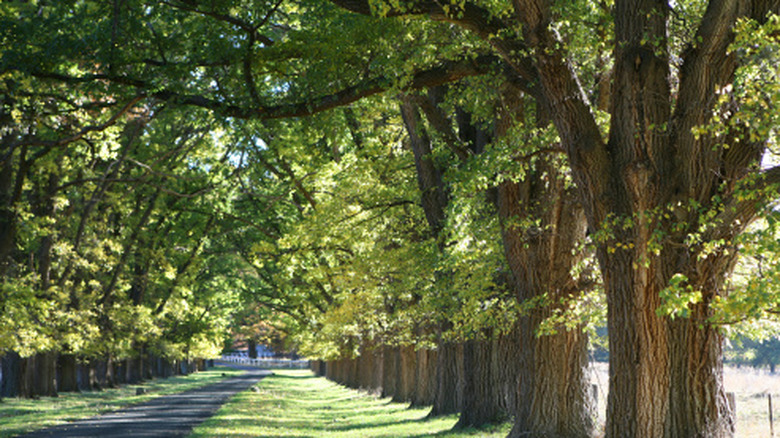
Once considered one of the best fast-growing shade trees to plant in your yard, American elms (Ulmus americana) saw their numbers decline when they were infected by the fatal Dutch elm disease. To prevent that, many counties have implemented pruning restrictions in the spring and summer, though any infested trees were immediately removed to minimize disease spread. Given that not many elm trees exist today, when they do manage to survive and mature to a DBH of 24 inches, some municipalities, like in Austin, Texas, require a permit to bring down these specimens to preserve their heritage and wildlife value.
Madrone
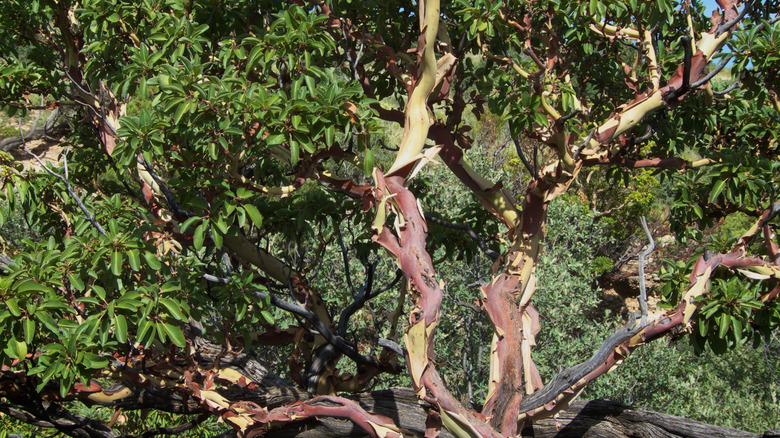
Originating in the central Texas area and stopping short of southeast New Mexico, madrone (Arbutus xalapensis) is a beautiful, multi-trunked evergreen. Apart from featuring pretty flowers and peeling, red bark, it produces edible fruit that many birds and mammals are drawn to. Not the easiest plant to propagate, it does manage to put on a show when planted in yards with excellent drainage. However, should you ever feel the need to prune or remove this tree, and it has grown over 24 inches wide when measured 4 ½ inches from the base, know that you'll need a permit if you're in Austin.
Black walnut
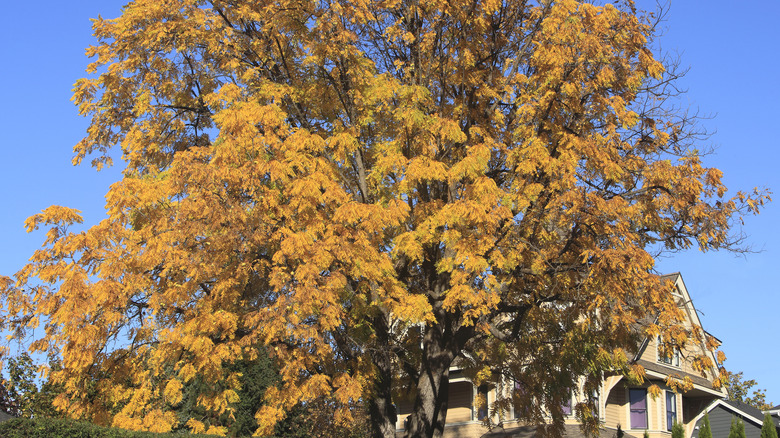
Black walnut (Juglans hindsi) isn't exactly a popular planting, despite it being a U.S. native tree and highly tolerant of heat and drought. And this has to do in part with its tendency to release allelopathic chemicals that dissuade other plants from growing as well as the hugely damaging mess left by its falling nuts and twigs. Yet, if you discover it on your land, you may have to consult your city ordinances. If they have a blanket protection for all species above a certain DBH, like Palo Alto has at 15 and Austin at 19, you may be penalized for taking it down without permission.
Douglas fir
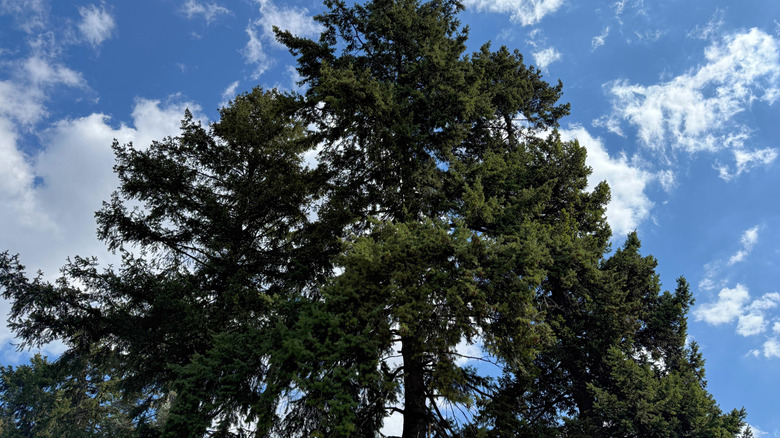
Highly valuable to the timber industry for its hardwood, Douglas fir (Pseudotsuga menziesii) isn't ideal for landscapes. Capable of growing nearly 300 feet tall if the conditions are right, it would look out of scale — not to mention pose a hazard — to homes. To minimize these risks, you may want to have it removed. But before doing that, explore your city's tree ordinances, as protections may be triggered if their DBH reaches 6 inches (Saratoga). In Portola Valley, you may be required to obtain a permit even if the tree is dead, provided it falls under their definition of a significant tree.
Big leaf maple
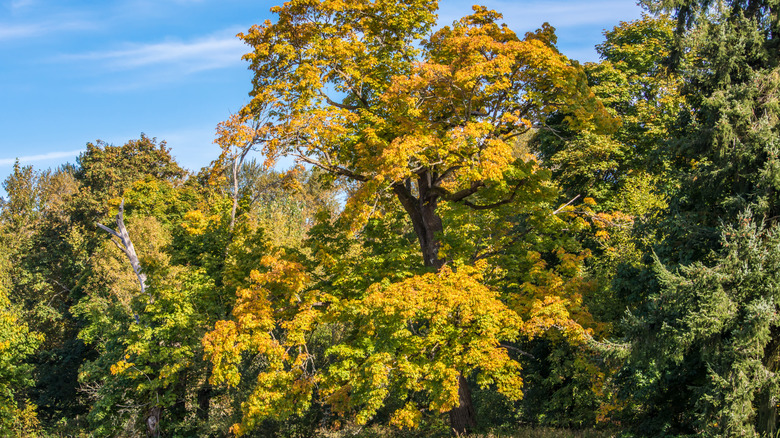
Usually found along the West Coast, big leaf maple (Acer macrophyllum) is a heat-tolerant shade tree that holds significance for moths and birds. However, its towering physique and shallow roots often become problematic in residential landscapes. Still, if it's native to the area, the city or town may regulate its removal with a permit. For instance, a big leaf maple with a 24-inch circumference is protected in Beverly Hills, Livermore, and Portola Valley, while these threshold requirements kick in early at 6 inches in Saratoga.
Pecan
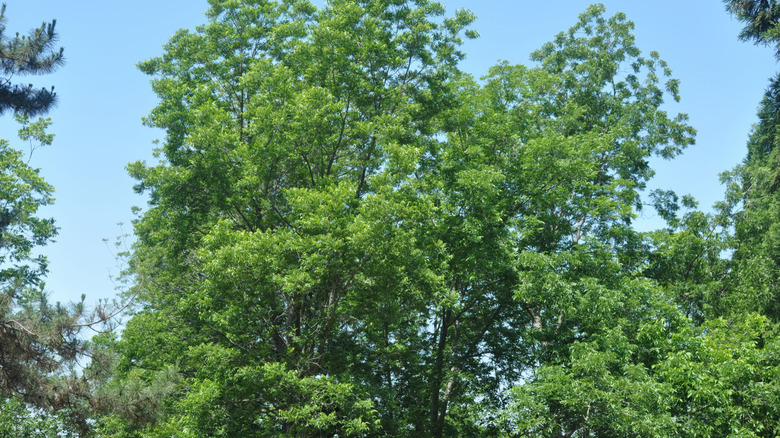
When you started pecan trees from nuts, maybe you didn't account for the long wait until they became productive. Or, maybe you take umbrage at the constant branch and nut litter let loose on the ground after wind and frost, or at your pecan's (Carya illinoinensis) large size. Irrespective of the reason, if the tree has survived long enough to gain the status of a protected or heritage tree, especially in the sunbelt area where it's native, you must get in touch with the local department before calling in tree-cutting professionals.
Sabal palm
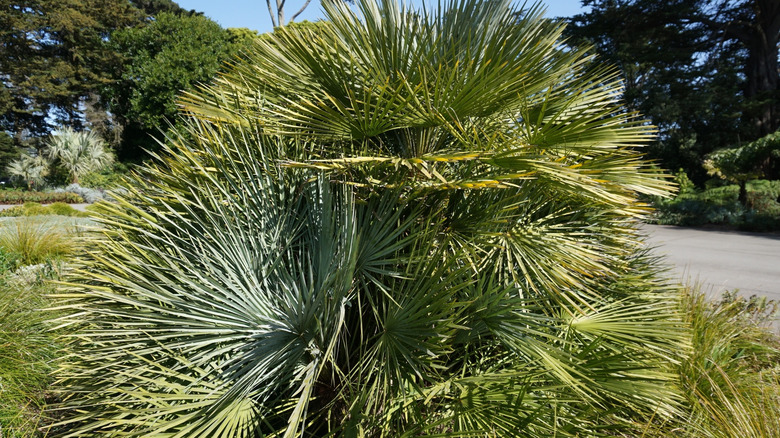
Florida's and South Carolina's state tree, sabal palm (Sabal palmetto), is a low-maintenance evergreen that can withstand pressure from storms, salt, wind, and deer herbivory, apart from heat and drought. Even though it's widely prevalent across the southern states, it's lately been losing numbers to the lethal bronzing disease. It's also considered threatened in North Carolina. While it doesn't enjoy state protection, local governments across Miami-Dade County, City of Tampa, Pinellas County, Tarpon Springs, Miami, and Fort Lauderdale, to name a few, have protective regulations in place above varying DBH levels.
Mangroves
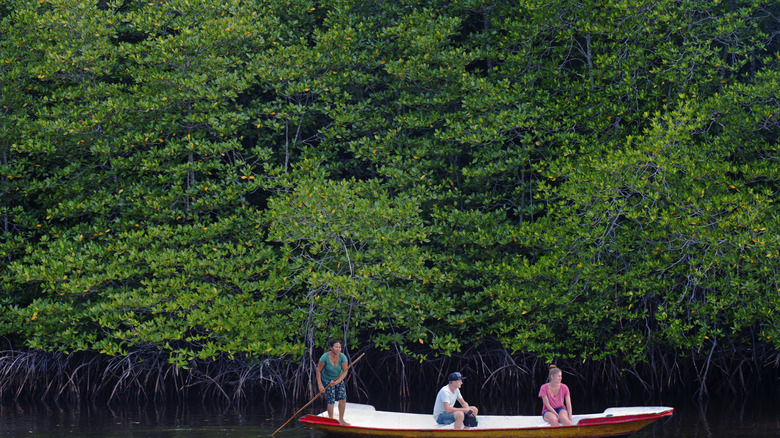
In a rare departure from the species listed thus far, mangroves enjoy state protection in Florida, though the power has also been delegated further to some local governments. Acknowledging their right to view, the 2025 Florida Statutes stipulate that waterfront property owners can trim mangroves without a permit only in the fringe areas, subject to a laundry list of restrictions. Trimming outside of these fringes, as well as complete removal, is disallowed under the Mangrove Trimming and Preservation Act. Considered a keystone species, the objective is to stabilize shorelines, control erosion, protect aquatic life, and improve water filtration.
Western Joshua tree
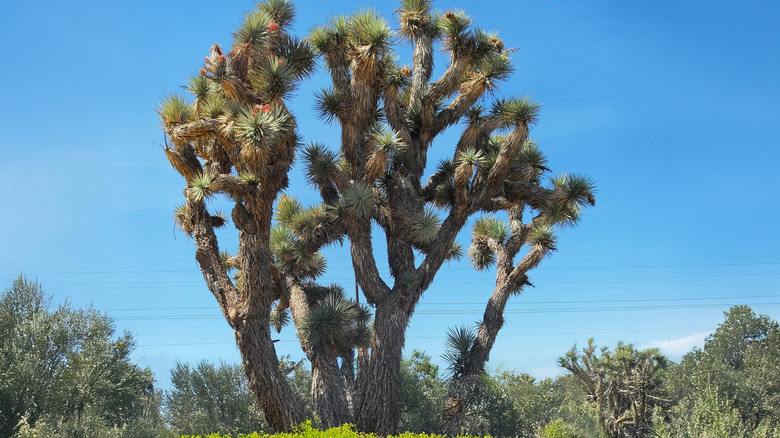
California's iconic plant, the western Joshua tree (Yucca brevifolia) is formally protected by the Western Joshua Tree Conservation Act starting in July 2023. Considering more than 40% of these plants (which are technically grasses) lie on private land, this Act ensures nobody can trim or even work around them so as to endanger their life, unless they've received an Incidental Take Permit (ITP) from the California Department of Fish and Wildlife. Apart from losing land to residential and solar projects, their lives are at stake because of climate change, which is why they remain under consideration for permanent protection under California's Endangered Species Act.
River birch
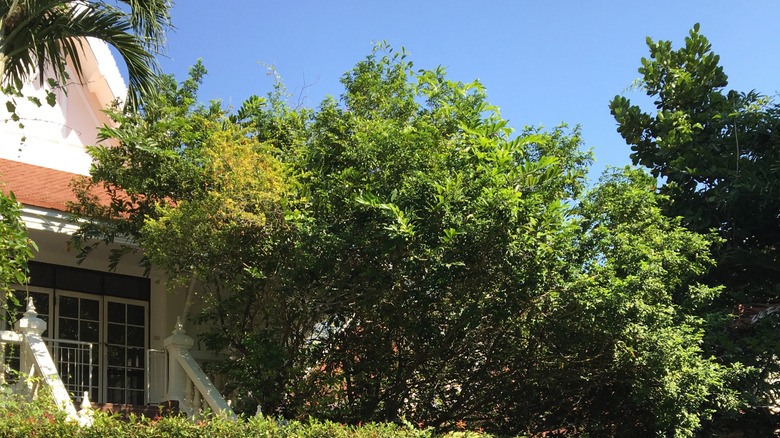
River birch (Betula nigra) is a gorgeous sun-loving tree that grows quickly and adds shade to your landscape. But it gets messy fast — droughts, dry spells, humidity, or age are all reasons it drops its limbs, forming an unsightly mess. While some governments, like South Carolina's Mount Pleasant, empathize with the fact that you may no longer want to have it on your property, others, like Orange County or the City of Mobile, treat it as a regulated or a heritage tree once its size has exceeded a specific threshold, thus necessitating permits for removals.
Pine
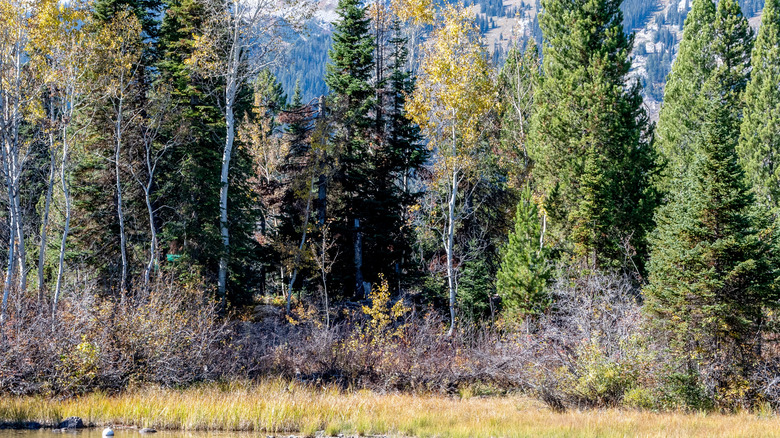
As windbreaks, focal points, or for pollinator value, pines (Pinus spp.) have been the go-to plantings for several homes. Sadly, they can be beset by a range of problems, including fusiform rust and beetles. Even if the trees are healthy, people may not like the falling needles and sap. However, before you decide to replace them, know that permit requirements may be triggered locally if they're a certain size — 24 DBH for Mount Pleasant. Certain counties also regulate specific species, like slash and loblolly pines in Florida. Certain types, like longleaf pines or Ponderosa pines, may enjoy the status of a heritage tree.
Ash
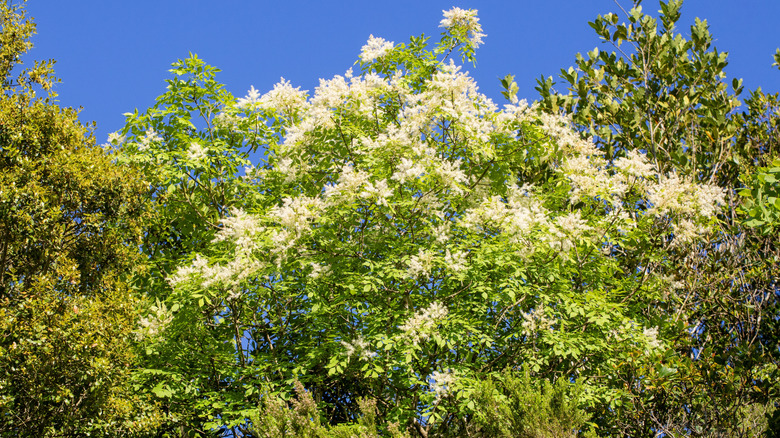
If you're privy to the horrors of emerald ash borers (EAB), the invasive beetles killing ash trees (Fraxinus spp.) in droves, their entry on this list may be a surprise. After all, several cities are actively encouraging their removal and replacement to prevent these beetles from spreading any further. But if they're native to a state and enjoy heritage or protective status, like the Texas ash in Austin or the Arizona ash in Beverly Hills, you'll have to consult the city authorities before cutting them down. That being said, with EAB spreading further south, you must check for infestation so the trees can be treated timely (wherever possible).
Tulip tree
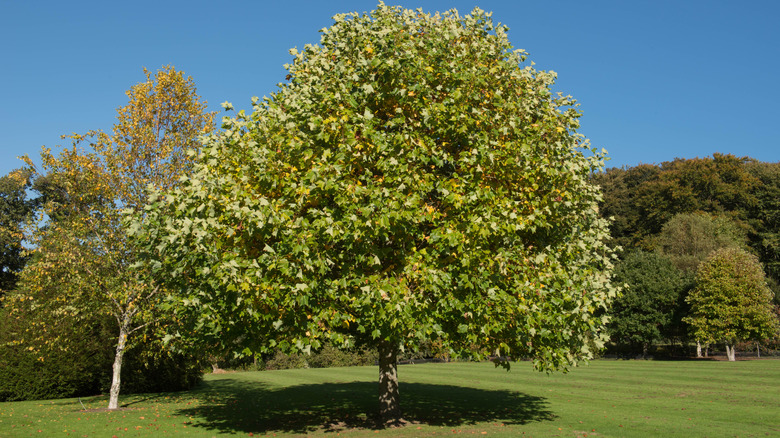
Variably called tulip poplar or yellow poplar, tulip tree (Liriodendron tulipifera) is another U.S. native that may be legally protected. Since they're fast-growing, they quickly fill out the space, helping local governments meet their goals for minimum canopy levels. By virtue of their growth rates, they also easily meet the minimum threshold for heritage trees (usually DBH of 24 inches or higher). It also helps that they're widely used by nesting birds, pollinators, and wildlife. However, receiving a permit may be easier in cities like Santa Clara if they deem it too tall for the lot.